
The Concrete Mandate: Inside the Battle for the Soil of South Essex
The green belt of Southern England does not yield easily. It curves along ancient hedgerows, damp marshes, and century-old oak stands, encircling towns that have clung to their pastoral identities even as the gravitational pull of London has tugged relentlessly at their borders. For generations, this soil has served as an inviolable boundary: the psychological and physical barrier between the unending expansion of a global metropolis and the quiet, suburban sanctuary of middle England.
On a charged afternoon inside the House of Commons, that boundary became ground zero for an ideological war.
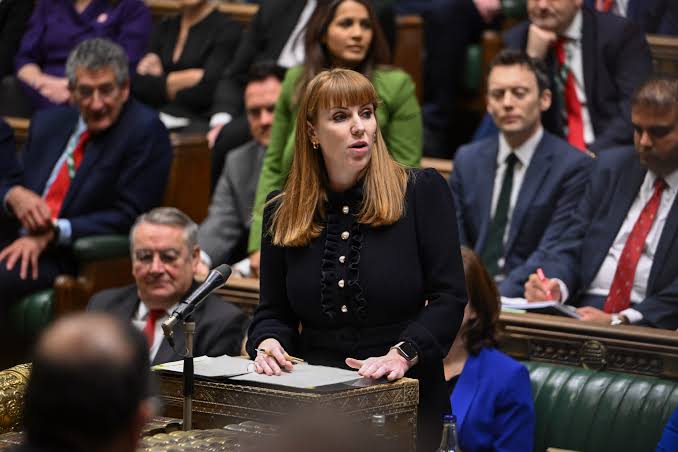
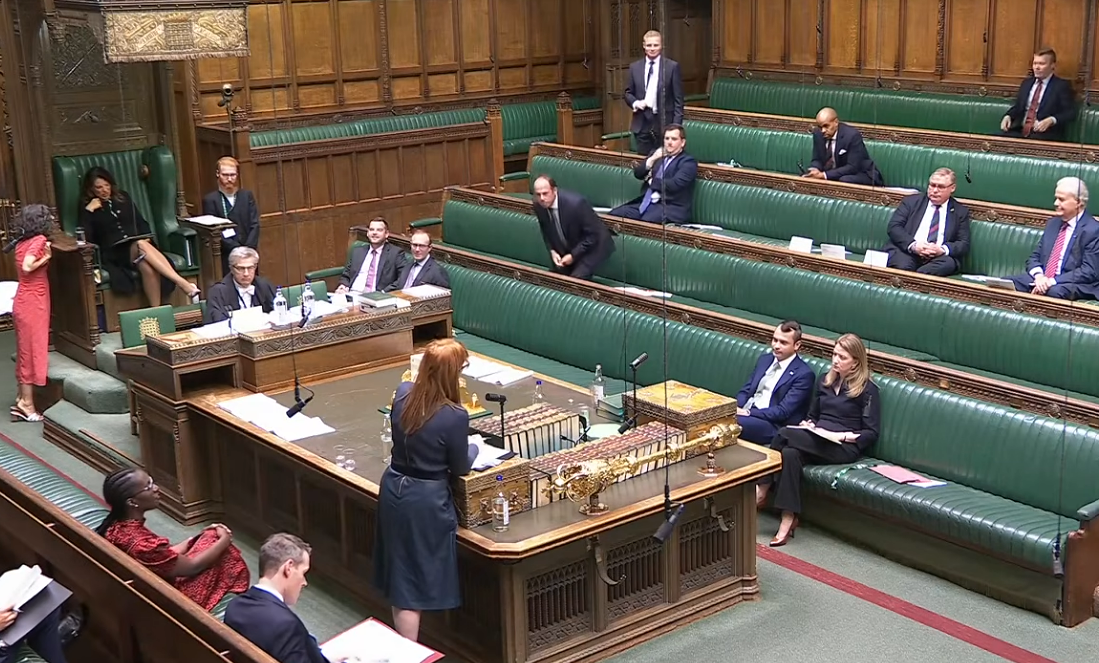
Standing at the dispatch box on her first day back in the parliamentary chamber, Deputy Prime Minister and Housing Secretary Angela Rayner stood face-to-face with the sharp end of Britain’s most combustible domestic conflict. Armed with a mandate to revive national economic growth, Rayner had arrived to defend the Labour government’s central domestic pillar: a binding pledge to construct 1.5 million new homes over the lifetime of Parliament through re-imposed, mandatory municipal targets.
Opposite her stood Mark Francois, the veteran Conservative MP for Rayleigh and Wickford. Pugnacious, unapologetically combative, and steeped in the parochial defense of his constituency, Francois rose to voice an accusation that echoed far beyond the green leather benches: that Whitehall’s updated planning mandates would turn a quiet corridor of South Essex into a contiguous slab of suburban sprawl, forcing over 100,000 new dwellings onto a narrow strip of land stretching from Grays to Shoeburyness.

“Why,” Francois asked the chamber, his voice cutting through the parliamentary din, “are Labour so determined to cover South Essex in concrete and gridlock our roads purely for ideological reasons?”
┌─────────────────────────────────────────────────────────────────┐
│                 THE SOUTH ESSEX HOUSING CLASH                   │
├───────────────────────────────┬─────────────────────────────────┤
│ GOVERNMENT PLEDGE             │ 1.5 million new homes nationally│
│                               │ over 5-year Parliament          │
├───────────────────────────────┼─────────────────────────────────┤
│ CONTESTED CORRIDOR            │ South Essex (Grays to           │
│                               │ Shoeburyness)                   │
├───────────────────────────────┼─────────────────────────────────┤
│ LOCAL TARGET BURDEN           │ ~100,000 homes (~7% of entire   │
│                               │ national target in half a county│
├───────────────────────────────┼─────────────────────────────────┤
│ INFRASTRUCTURE AT CAPACITY    │ A13, A127 arterial highways,    │
│                               │ sewage, NHS primary care clinics│
└───────────────────────────────┴─────────────────────────────────┘
The confrontation was neither a procedural dispute nor an isolated spat between two political foes. It was the opening salvo of a generational struggle that cuts directly to the core of modern British democracy: How does a nation desperate for growth and shelter build the homes its young workers need without breaking the communities, the ecosystems, and the fragile infrastructure of the places forced to host them?
The confrontation between Angela Rayner and Mark Francois took place against the backdrop of a comprehensive overhaul of England’s planning regime, specifically the revised National Planning Policy Framework (NPPF) introduced by the Starmer administration.
THE PLANNING EVOLUTION
──────────────────────────────────────────────────────────────────────────────
Pre-2023:     Mandatory municipal housing targets in place across England.
Dec 2023:     Conservative government makes targets "advisory"; housebuilding drops.
July 2024:    Labour restores mandatory targets; national goal raised to 370k/year.
Westminster:  Rayner faces immediate revolt from Essex MPs over local distribution.
──────────────────────────────────────────────────────────────────────────────
The Principal Actors
At the center of this clash are two figures representing diametrically opposed wings of British political culture:
-
Angela Rayner (Deputy Prime Minister & Secretary of State for Housing, Communities and Local Government): Born on a council estate in Stockport, Greater Manchester, Rayner has fashioned her identity around the transformative power of social housing. Having left school at sixteen with no qualifications, she credits a council flat with saving her life as a teenage mother. To Rayner, the housing shortage is not an abstract macroeconomic puzzle—it is a moral emergency that traps millions of working families in overcrowded, expensive private rentals while affluent suburban shires hoard land.
-
Mark Francois (MP for Rayleigh and Wickford): A veteran Eurosceptic, former minister for the armed forces, and an archetype of traditional, fiercely territorial county conservativism. Representing an Essex constituency bordered by the Thames Estuary to the south and the Crouch Valley to the north, Francois has built an electoral redoubt on defending suburban boundaries, green spaces, and local infrastructure against top-down interference from central government.
The Core Facts and the 100,000-Home Contention
The dispute stems from the government’s revised methodology for calculating housing need. Rather than relying on previous demographic baselines, Labour’s formula ties municipal targets directly to local housing affordability ratios and the existing size of housing stock. Because homes in the commuter belt surrounding London—including Essex—command steep prices relative to local wages, the formula dramatically ratchets up development requirements across the South East.
In South Essex, a contiguous economic corridor running from the industrial docks of Thurrock and Grays eastward through Basildon, Rayleigh, and Southend-on-Sea to the mudflats of Shoeburyness, the cumulative targets aggregate to approximately 100,000 new dwellings.
Francois argued before the Commons that this allocation constitutes roughly 7 percent of the government’s entire 1.5-million-home national target, concentrated within roughly one-half of a single county.
The South Essex Development Corridor (Grays to Shoeburyness)
┌───────────┐      ┌────────────┐      ┌───────────┐      ┌──────────────┐
│  Thurrock │ ──►  │  Basildon  │ ──►  │ Castle Pt │ ──►  │ Southend &   │
│  & Grays  │      │  & Wickford│      │ & Rochford│      │ Shoeburyness │
└───────────┘      └────────────┘      └───────────┘      └──────────────┘
  ▼                  ▼                   ▼                  ▼
Heavy logistics;   Commuter expansion; Green belt rural   Estuary coastal
port terminals     suburban sprawl     buffer zones       choke-point
The Conservative MP laid out a litany of practical bottlenecks:
-
The Transport Gridlock: The region relies almost entirely on two primary arterial roads: the A13, linking the London Docklands to Southend, and the A127, running from the M25 through Basildon. Both routes suffer from severe chronic congestion during peak commuter hours, with little geographical room for lane expansion.
-
The Water and Sewage Deficit: Estuary drainage and wastewater treatment networks across the Thames Water and Anglian Water catchments have repeatedly struggled with stormwater overflow discharges into the Thames Estuary.
-
The Healthcare Deficit: Primary care practices and hospital trusts—such as Southend University Hospital and Basildon University Hospital—routinely face backlogged emergency departments and GP patient ratios that far exceed national averages.
The Government’s Rebuttal: Crisis and Complicity
Rayner did not retreat. Refusing to concede ground, she turned the political critique back on the opposition benches, framing the infrastructure deficit as the direct consequence of fourteen years of Conservative inertia and missed housebuilding milestones.
Addressing Francois, Rayner insisted that local representatives must recognize “the acute housing need within his local area.” She pointed out that while existing residents may protest new construction, Francois’s own constituency casework is undoubtedly inundated with young families, single mothers, and adult children unable to afford independent homes in the very communities where they were raised.
Rayner reiterated the government’s position: Whitehall is not seeking a punitive imposition, but a collaborative partnership with local authorities to deliver housing alongside “well-connected local transport delivery.” However, her underlying message to recalcitrant councils was unmistakable: the targets are mandatory, the delays are over, and the houses will be built.
2. My Professional Perspective
Over thirty years of reporting on the politics of land, infrastructure, and urban planning from Washington and Sydney to the suburban fringes of Dublin and London, I have watched the same drama unfold under dozens of different flags.
Whenever you see a politician stand up in a national legislature and accuse an administration of wanting to “cover our countryside in concrete,” you are not witnessing a debate about logistics. You are witnessing the supreme political neurosis of the Anglo-Saxon world: the fight over the value, ownership, and protection of residential property.
The mainstream media has framed this exchange as standard Westminster theater: a northern working-class socialist fighting a southern Tory backbencher over suburban development quotas. That framing captures the noise, but it completely misses the hidden machinery driving this crisis toward an unavoidable collision.
┌────────────────────────────────────────────────────────┐
│               THE URBAN PLANNING DILEMMA               │
├───────────────────────────┬────────────────────────────┤
│ THE WHITEHALL DIRECTIVE   │ THE REALITY IN ESSEX       │
├───────────────────────────┼────────────────────────────┤
│ • Top-down mathematical   │ • Local roads already at   │
│   affordability formulas  │   peak capacity            │
│ • Mandates housing starts │ • No ring-fenced funds for │
│   before ground is broken │   new hospitals or clinics │
│ • Assumes private sector  │ • Developers slow buildout │
│   will build at volume    │   rates to maintain prices │
│ • "Growth requires land"  │ • "Who pays for the pipes?"│
└───────────────────────────┴────────────────────────────┘
What People Have Overlooked: The “Delivery Fallacy”
The fatal blind spot shared by both political parties in this debate is what urban planners call the Delivery Fallacy.
Angela Rayner’s formula operates on an assumption common among technocrats: that if central government sets a high mandatory target, private property developers will dutifully build those houses.
That is not how the British housebuilding industry functions.
The UK housing market is dominated by a small cartel of massive, publicly traded speculative developers—firms like Persimmon, Barratt Redrow, and Taylor Wimpey. These corporations are not public utilities tasked with providing affordable shelter to working-class families; they are profit-maximizing engines whose share prices depend on high land margins.
When you zone thousands of acres of green belt or agricultural land in South Essex, developers do not rush to flood the market with 100,000 homes. Flooding the market increases supply, which suppresses local prices—the exact opposite of their business model. Instead, developers engage in strategic landbanking. They secure planning permission, put spades in the ground at a trickle of 30 to 50 units a year per site to maintain local price scarcity, and sit on the residual assets as their book values climb.
By raising targets without establishing a state-directed building vehicle or municipal development corporations, Rayner is handing massive speculative windfalls to institutional landowners and volume housebuilders, while providing zero guarantee that the homes will actually be completed within a decade.
The Deeper Meaning: The Infrastructure Sequencing Trap
Mark Francois is often caricatured as an archetype of NIMBYism (“Not In My Back Yard”). But on one specific point, his indictment of the current system is devastatingly accurate: Britain builds houses first and promises infrastructure later—and the infrastructure rarely arrives.
THE BROKEN DEVELOPMENT CYCLE
┌──────────────────────┐      ┌─────────────────────────┐      ┌──────────────────────┐
│  WHITEHALL MANDATE   │ ──►  │ SPECULATIVE BUILDERS    │ ──►  │ LOCAL TAXPAYERS      │
│ Mandates 100k homes  │      │ Build estates with no   │      │ Absorb overflowing   │
│ on paper             │      │ clinics, rails, or pipes│      │ roads and sewage     │
└──────────────────────┘      └─────────────────────────┘      └──────────────────────┘
                                          │
                                          ▼
                               Section 106 & CIL Funds:
                       Drained by legal disputes and cosmetic
                          roundabouts instead of major rail.
In nations that execute successful long-term urban expansion—such as Singapore, the Netherlands, or post-war France—the state practices infrastructure-led development. Before a single foundation is poured, high-capacity rail lines are laid, dual carriageways are completed, electrical substations are energized, and wastewater reclamation centers are fully commissioned.
In modern Britain, development is carried out in reverse.
Under the fractured mechanisms of Section 106 agreements and the Community Infrastructure Levy (CIL), cash-strapped local councils attempt to squeeze piecemeal infrastructure contributions from developers. A developer promises to build 500 houses. In exchange, they agree to widen a single roundabout, donate a sliver of land for a primary school that never gets funding to open, and contribute a few hundred thousand pounds to a local healthcare trust.
Two years later, when rising interest rates or material inflation trim profit margins, the developer’s lawyers submit a “viability assessment” to the council, claiming that unless the affordable housing quota and community contributions are slashed, the development cannot proceed. The council, terrified of losing a costly planning appeal in Bristol, surrenders.
The houses are constructed. The commuters move in. But the second hospital is never built. The A127 remains two lanes wide. The local sewage plant overflows during heavy rains. And the existing residents look out their windows and conclude that every new housing development is an assault on their quality of life.
This is why opposition to housebuilding in suburban England is not merely aesthetic or reactionary. It is an act of rational self-preservation by communities that know from bitter experience that Whitehall’s promises of “associated infrastructure” evaporate the moment the contracts are signed.
Why This Story Matters: The Collapse of Intergenerational Solvency
Why should an observer outside South Essex care about a fight between a minister and a backbencher over agricultural parcels between Basildon and Southend?
Because the failure to resolve this planning stalemate is slowly breaking the social and economic fabric of Britain.
┌────────────────────────────────────────────────────────┐
│             THE INTERGENERATIONAL DIVIDE               │
├───────────────────────────┬────────────────────────────┤
│ THE SUBURBAN HOMEOWNER    │ THE ASPIRATIONAL RENTER    │
├───────────────────────────┼────────────────────────────┤
│ • Bought 3-bed in 1995 for│ • Pays 45% of take-home    │
│   3x annual salary        │   pay for a moldy bedsit   │
│ • Home is primary pension │ • Average house costs 9x   │
│   and wealth store        │   annual salary            │
│ • Any new build threatens │ • Delayed marriage, postponed│
│   neighborhood value      │   children, frozen wealth  │
│ • "Preserve the village"  │ • "Give me a future"       │
└───────────────────────────┴────────────────────────────┘
The United Kingdom has developed an economy that functions as a generational pyramid scheme. Older cohorts who purchased suburban homes in the 1980s and 1990s for three times their earnings have seen their properties inflate to nine, twelve, or fifteen times the average salary. That property value now acts as their primary retirement cushion, their long-term savings pool, and their wealth store.
To protect that wealth, they rationally organize to restrict local supply. They run for local councils, pack planning committees, and hire planning barristers to block new estates.
Meanwhile, a generation of British twenty- and thirty-somethings—nurses, teachers, software engineers, logistics managers—are trapped in an escalating rental crisis. They spend close to half their monthly income on substandard accommodation, delay having children, and watch the prospect of property ownership vanish over the horizon.
Rayner understands this dynamic acutely. She recognizes that if a society cannot offer its young people a secure place to sleep, a stake in ownership, and a path to capital accumulation, they will eventually stop believing in capitalism, private property, and democratic institutions altogether.
By forcing the South East to accept higher quotas, Labour is attempting to dismantle this intergenerational blockade. But by doing so through administrative fiat without funding the physical infrastructure first, they risk igniting an intense political backlash across the outer suburbs.
What Questions Remain Unanswered?
As this confrontation shifts from the House of Commons into council chambers and planning tribunals, four essential questions must be answered:
-
Who Pays for the Roads and Rail? With Chancellor Rachel Reeves imposing fiscal discipline across Whitehall departments, where will the billions of pounds required to upgrade the A13, expand the A127, and build new Thames crossings come from? If central government will not fund the infrastructure directly, how can it mandate the homes?
-
Will the Government Deploy Development Corporations? If private housebuilders slow their build rates to protect margins, is Rayner prepared to use compulsory purchase orders (CPOs) at agricultural land values and deploy state-backed New Town Development Corporations to build the homes directly?
-
What Defines the “Grey Belt”? The government has claimed it will prioritize degraded green-belt land—so-called “grey belt”—such as old car parks, disused petrol stations, and neglected scrubland. But across South Essex, meeting a target of 100,000 homes will inevitably require rezoning pristine, high-grade agricultural land. Where will ministers draw the line?
-
The Electoral Calculus: The commuter towns of Essex and the Thames Estuary have historically swung between Labour and the Conservatives, with Reform UK now making major inroads in working-class seats like Basildon and Thurrock. If Labour forces unpopular planning decisions onto these councils, will they surrender their hard-won southern parliamentary footprint at the next general election?
Stand on the high ground of the Rayleigh Mount, an ancient Norman earthwork rising above the rooftops of south-central Essex.
Look south, and you see the dense, industrial, energetic sprawl of the Thames corridor: the container cranes of London Gateway, the refinery storage tanks, and the endless arterial flow of logistics trucks moving cargo into the belly of the capital. Look north and east, and the landscape opens into rolling arable fields, timber-framed farmhouses, and quiet villages that have retained their shape since the Middle Ages.
That horizon is where the two modern Britains meet.
THE UNSUSTAINABLE EQUILIBRIUM
         ┌──────────────────────────────────────┐
         │       THE PARLIAMENTARY MANDATE      │
         ├──────────────────────────────────────┤
         │ Build 1.5 million houses to unlock   │
         │ economic growth and shelter youth    │
         └──────────────────┬───────────────────┘
                            │
                            ▼
         ┌──────────────────────────────────────┐
         │       THE SUBURBAN REALITY           │
         ├──────────────────────────────────────┤
         │ Unfunded infrastructure, gridlock,   │
         │ and communities fighting to protect  │
         │ the soil under their feet            │
         └──────────────────────────────────────┘
Mark Francois spoke for a constituency that feels cornered—afraid that its suburban calm, its open fields, and its stretched amenities are being sacrificed on the altar of a mathematical formula concocted by technocrats in London who have never sat in two-hour traffic on the A127.
Angela Rayner spoke for a constituency that is largely invisible in those suburban town halls: the nurse living out of a suitcase in a shared house, the young couple postponing marriage because they cannot afford a deposit, and the millions of British workers whose labor fuels the economy but who are denied a stake in the land they call home.
Both voices carry undeniable legitimacy. And that is why this crisis is so dangerous.
The British government can issue statutory guidance. It can mandate numbers from the dispatch box. It can threaten local authorities with planning receivership. But houses are not built out of White Papers, and communities are not sustained by administrative formulas.
If Angela Rayner succeeds only in pouring concrete across the fields of Essex while leaving the roads jammed, the clinics overwhelmed, and the developers rich, she will not have solved the housing crisis—she will have permanently poisoned the politics of development for another generation.
The true test of leadership is not the courage to order that homes be built. It is the wisdom to build the hospitals, the schools, the transit networks, and the trust that turn a sea of bricks into a living community.
When a nation can no longer find a way to house its own young without stripping its existing communities of the very infrastructure that keeps them functioning, who has truly failed—the neighbors fighting to defend their fields, or the state that forgot how to build for the future?