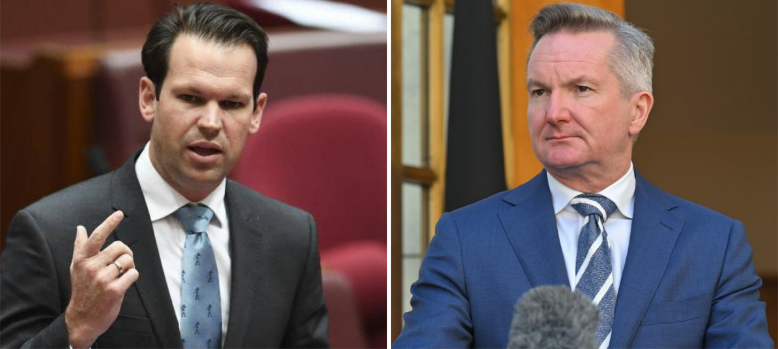
CANBERRA FACING A RURAL BACKLASH? TWO-THIRDS OF REGIONAL AUSTRALIANS SAY THEY’VE HAD ENOUGH! .u1

Two-Thirds of Regional Australians Say Life Is Getting Worse Ahead of Dubbo Bush Summit
A deep sense of economic frustration is sweeping across regional Australia, with recent polling revealing that two-thirds of Australians living outside major cities believe their quality of life has deteriorated.
As political figures prepare for the upcoming Bush Summit in Dubbo, mounting anger over cost-of-living pressures, exorbitant fuel expenses, and a perceived disconnect from Canberra has thrust the rural-urban divide back into the national spotlight.
What Is Driving the Regional Discontent?
The immediate catalyst for the renewed debate is a sharp rise in economic pessimism among rural and regional communities.
While everyday Australians across the country are grappling with inflation, housing costs, and rising household bills, life outside metropolitan centers compounds these difficulties through the sheer tyranny of distance.
For millions of regional Australians, essential expenses are not optional.
Transport, fuel, and energy costs form an unavoidable baseline for survival.
Whether it is a farmer hauling agricultural freight across hundreds of kilometers, a small-business owner keeping local trade alive, or a family driving hours to reach the nearest specialist medical clinic, high fuel prices strike at the heart of regional economies.
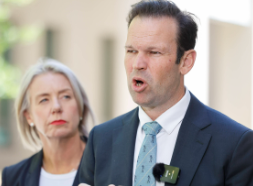
Nationals leader Matt Canavan pointed directly to these systemic cost burdens during recent discussions, emphasizing that national economic metrics often fail to reflect the brutal financial reality on the ground.
While federal ministers point to rising nominal wages and national economic growth, regional workers argue that their purchasing power is shrinking as the cost of groceries, electricity, and transport outpaces income gains.
The Great Disconnect: City Versus Bush
At the core of the growing frustration is a pervasive feeling that national policymakers in Canberra are increasingly out of touch with the unique challenges of rural life.
Critics point to a widening structural divide between major metropolitan hubs and regional towns.
In large cities, populations benefit from dense public transport networks, close proximity to diverse employment opportunities, and immediate access to heavily funded public services and hospitals.
In contrast, regional communities often face extreme vulnerability when a single major employer or local business closes its doors.
While a shuttered shop in a major city is quickly replaced, the loss of the only bakery, bank, or service provider in a small rural town can permanently alter the fabric of daily life for hundreds of residents.
This disparity has fueled accusations of a two-tier political system, where the political capital lavished on metropolitan lobby groups and urban infrastructure projects leaves regional Australians feeling overlooked and undervalued.
The Upcoming Bush Summit: Action or Rhetoric?
The upcoming Bush Summit in Dubbo has emerged as a crucial testing ground for both major political parties.
For regional communities, the high-profile gathering represents a rare platform to force national leaders to confront the realities of rural decline.
However, skepticism remains high.
Residents across the bush have heard repeated promises regarding infrastructure investment, decentralization, and regional development, only to watch policy decisions default back to metropolitan priorities.
Political analysts warn that ignoring the data—specifically the finding that 66% of regional Australians feel their lives are worsening—carries significant electoral risk.
The debate is no longer just about economic management; it is about whether regional Australia can maintain equal access to opportunity, healthcare, and security, or if the country’s vast geographic expanse will increasingly dictate a citizen’s standard of living.
What do you think federal policymakers should prioritize to bridge the growing economic divide between Australia’s major cities and regional communities?