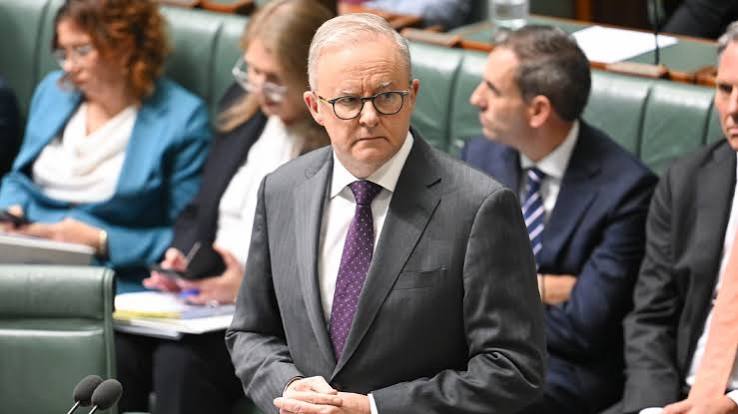

Angus Taylor Accuses Albanese Government of Imposing “Toxic Taxes” and Crushing Aspiration
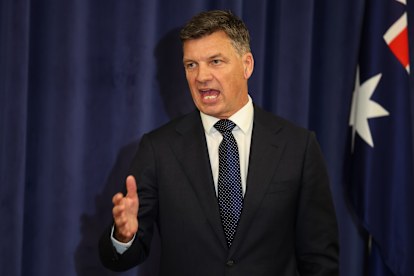
Opposition Leader Angus Taylor has launched a fierce attack on the federal government, accusing Labor of breaking key promises, presiding over a historic collapse in living standards, and implementing policies that pull up the ladder of opportunity for younger Australians.
Opposition Leader Angus Taylor has sharply escalated political tensions in Australia with a wide-ranging attack on the Albanese government. In a combative address, Taylor accused Labor of imposing “toxic taxes” that punish effort and discourage risk-taking.
He argued that the government’s combination of higher levies, unfulfilled election commitments, and what he termed “big-government denialism” has left the country economically vulnerable and deeply pessimistic about its future.
The speech frames the government’s record as a systematic failure of both competence and political honesty. Taylor contrasted Prime Minister Anthony Albanese’s public messaging with the everyday realities of households battling soaring energy bills, high inflation, and diminished financial mobility.
Broken Promises and Mounting Household Pressures
A central pillar of Taylor’s critique focused on the widening gap between Labor’s pre-election commitments and its subsequent policy outcomes. He reminded voters that the government had explicitly promised to reduce household power bills by $275 annually, pointing out instead that energy prices have climbed by roughly 40%.
On housing and taxation, Taylor accused Labor of repeatedly pledging not to alter negative gearing or capital gains tax arrangements prior to the election, only to introduce adjustments afterward.
“For this Prime Minister, a broken promise is never a broken promise. It’s a changing position,” Taylor told the audience.
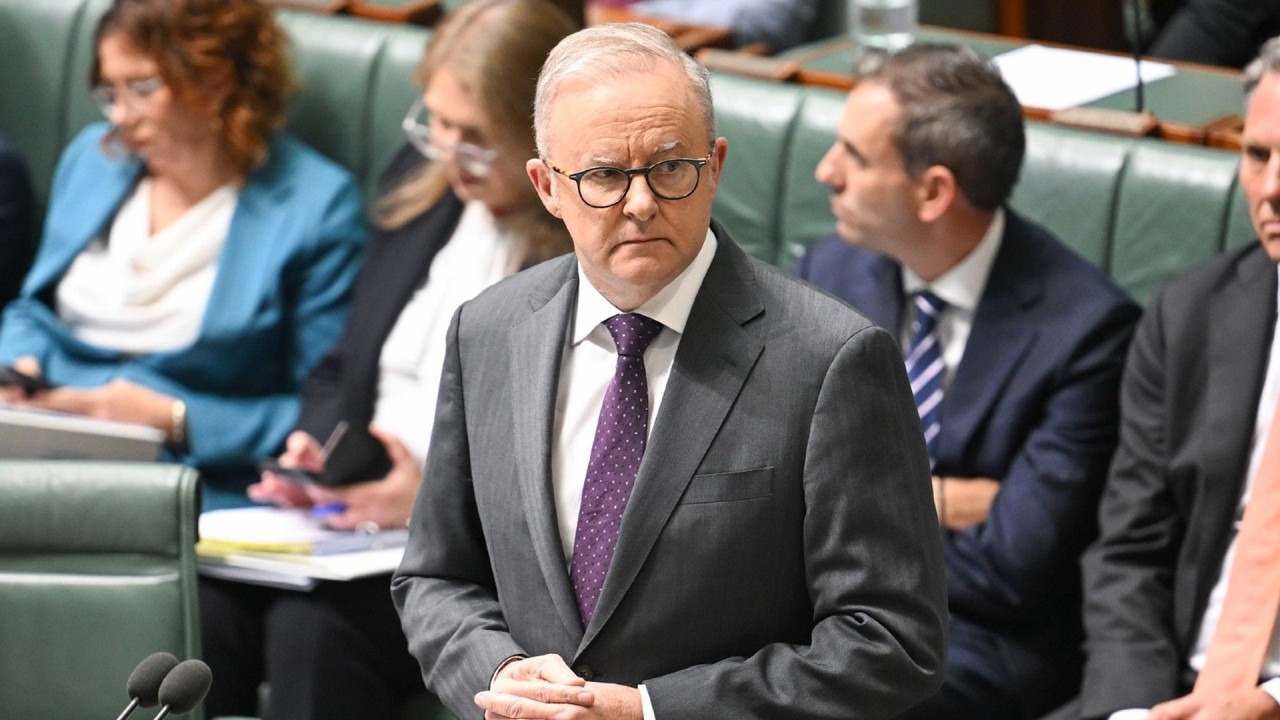
Beyond fiscal policy, Taylor charged the administration with institutional denialism. He cited various controversies—ranging from the handling of parliamentary staff misconduct to disputed accounts of the Prime Minister’s public mishaps—arguing that a government incapable of admitting minor errors cannot be trusted to fix major economic crises.
Economic Growth Built on Population, Not Productivity
Linking political accountability to the broader macroeconomic picture, Taylor argued that national economic growth under Labor has been entirely driven by population expansion rather than genuine productivity or per-capita gains.
With Australia carrying $1 trillion in national debt and prices outpacing income growth, Taylor declared that “Project Albanese is a disaster.” He claimed that excessive government spending continues to fuel the inflation that quietly erodes household savings, leaving Australians working harder for diminishing returns.
The most damaging elements, according to the opposition, are the tax measures introduced in the latest budget. Taylor branded them “aspiration-killing” levies that penalize success and send a discouraging signal to the next generation of workers and entrepreneurs.
The Coalition’s Alternative: Team, Plan, and Lower Taxes
Positioning the Liberal-National Coalition as a ready alternative, Taylor emphasized the real-world commercial experience of his frontbench team, contrasting it with what he characterized as Labor’s limited private-sector background.
The Coalition has pledged to center its platform on economic rescue and the preservation of the Australian way of life. A primary commitment of this alternative agenda is the promise to repeal what Taylor termed Labor’s “toxic taxes,” aiming to restore incentives for hard work, investment, and enterprise.
In a sharp foreign policy digression during the address, Taylor also called on Prime Minister Albanese to issue a direct apology to his Japanese counterpart regarding comments widely perceived as disrespectful, framing the diplomatic misstep as further evidence of an ongoing reluctance to accept responsibility.
Intergenerational Fairness as a Decisive Political Battleground
Perhaps the most potent element of Taylor’s address was its focus on intergenerational fairness. By arguing that current economic settings slam the door of opportunity in the faces of younger Australians, the opposition is directly targeting the anxieties of citizens locked out of homeownership and struggling with high rental costs.
For the Albanese government, the immediate political test is proving that its fiscal choices are both equitable and necessary, and that cost-of-living pressures are being actively mitigated. For the Coalition, the challenge lies in translating sharp rhetoric into a detailed, credible governing blueprint before voters head to the polls.
How do you think the government should balance the need for public revenue with the preservation of economic aspiration for younger generations?