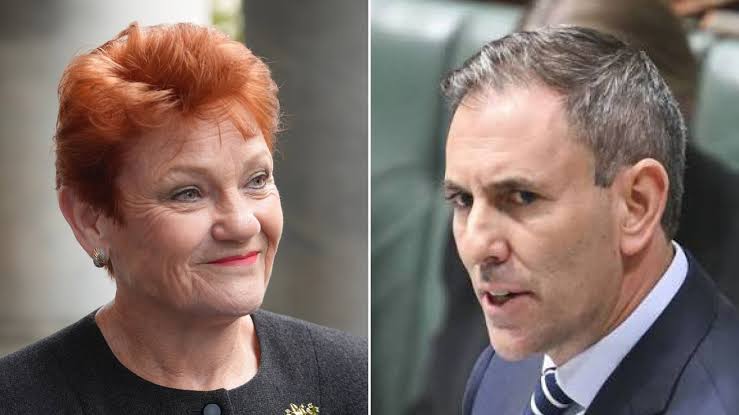

The Siege of the Sunshine State: How One Nation’s 19-Seat Threat Is Dismantling Australia’s Political Geography
The electoral map of Queensland has long been the graveyard of conventional Canberra wisdom. Yet across the 1.8 million square kilometers spanning the high-rises of the Gold Coast to the sugarcane fields of Mackay and the suburban roundabouts of Logan, a tectonic shift is underway that threatens to upend the foundational mechanics of the Australian Parliament.
Pauline Hanson’s One Nation has unleashed an unprecedented surge in primary support across the Sunshine State, placing as many as 19 of Queensland’s 30 federal electorates within the political blast zone.
What began as a localized earthquake in Western Australia—where One Nation pulled off an historic upset in the coastal Labor stronghold of Secret Harbour—has metastasized into a nationwide realignment. Fresh national polling has delivered a historic milestone: One Nation commanding 30 percent of the national primary vote, edging ahead of the governing Labor Party on 29 percent, and leaving the federal Coalition stranded in third place on 19 percent.
In Queensland, the heartland where Hanson first launched her insurgency three decades ago, that national tide is colliding with unique regional economics to create a multi-front electoral crucible.
┌────────────────────────────────────────────────────────────────────────┐
│               THE NATIONAL PRIMARY VOTE REALIGNMENT                    │
├──────────────────────────┬──────────────────┬──────────────────────────┤
│ Political Party          │ Primary Vote     │ Structural Status        │
├──────────────────────────┼──────────────────┼──────────────────────────┤
│ Pauline Hanson's ONP     │ 30%              │ Leading Primary Nationally│
│ Australian Labor Party   │ 29%              │ Incumbent Government     │
│ Liberal-National (Coal.) │ 19%              │ Collapsing to 3rd Place  │
│ Others / Greens / Ind    │ 22%              │ Fragmented               │
└──────────────────────────┴──────────────────┴──────────────────────────┘
*Source: Recent national polling data tracking voter primary preferences.
The epicenter of this confrontation has moved into the suburban perimeter of southern Brisbane.
Federal Treasurer Jim Chalmers, the chief economic architect of the Albanese government, finds his personal electorate of Rankin suddenly thrust into the national spotlight. Rankin, an outer-suburban mortgage-belt seat centered around Logan City, has stood as a reliable Labor bastion since its creation in 1984. Chalmers has represented the division since 2013, anchoring his tenure in traditional working-class loyalty.
Yet electoral analysts and polling aggregators now classify Rankin among a cohort of formerly untouchable electorates exhibiting double-digit One Nation support—elevating it alongside regional resource hubs like Capricornia and Dawson as critical battlegrounds for the soul of the working-class vote.
The Architecture of the 19-Seat Battlefield
The assessment that 19 Queensland seats are under pressure does not suggest that One Nation is positioned to capture an outright parliamentary majority from a single state. Rather, it exposes the vulnerability of the major parties under Australia’s compulsory preferential voting system:
-
The Primary Vote Floor: One Nation has broken through the critical 10-to-15 percent threshold across 19 separate divisions, transforming traditional two-party contests into unpredictable three-cornered wars.
-
The Labor Defense Perimeter: Labor entered this cycle holding a razor-thin federal footprint in Queensland, historically struggling to translate state dominance into federal seats. With seats like Rankin, Moreton, Blair, and Lilley under cross-pressure, the government is forced to burn scarce treasury, advertising, and ministerial capital defending its own frontbenchers.
-
The Coalition Heartland Fracture: In regional seats like Capricornia (Rockhampton) and Dawson (Mackay/Townsville), where the Liberal National Party (LNP) has traditionally held sway, One Nation’s surge threatens to split the conservative base, cannibalizing primary votes and leaving the finish line dependent on preference leaks.
┌────────────────────────────────────────────────────────────────────────┐
│                   THE 19 QUEENSLAND SEATS AT RISK                      │
├───────────────────┬────────────────────────────────────────────────────┤
│ Division Category │ Electorates & Strategic Pressures                  │
├───────────────────┼────────────────────────────────────────────────────┤
│ Outer-Suburban    │ Rankin, Blair, Forde, Longman, Petrie              │
│ Mortgage Belts    │ High rate sensitivity, car dependency, rent spikes │
├───────────────────┼────────────────────────────────────────────────────┤
│ Regional Resource │ Capricornia, Dawson, Flynn, Herbert                │
│ & Mining Hubs     │ Mining wages vs. net-zero mandates; living costs   │
├───────────────────┼────────────────────────────────────────────────────┤
│ Rural & Provincial│ Maranoa, Wright, Hinkler, Wide Bay                 │
│ Agricultural      │ Agribusiness input inflation, land-use disputes    │
└───────────────────┴────────────────────────────────────────────────────┘
The friction has reached the highest levels of executive government. Prime Minister Anthony Albanese and Treasurer Jim Chalmers have stepped up their warnings, branding One Nation a serious political threat peddling divisive policies. Chalmers insisted the government had taken the threat seriously long before the Secret Harbour defeat and would continue to do so.
Hanson, campaigning with renewed vigor across the state, pushed back sharply, accusing Labor of inflammatory rhetoric and arguing that the political establishment is lashing out because it can no longer suppress the anger of ordinary citizens who feel abandoned by Canberra’s economic management.
2. Professional Analysis & Personal Perspective
My Professional Perspective
I have covered democratic elections across four continents for thirty years. I reported from the rust-colored factory towns of Ohio and Pennsylvania as the blue-collar base abandoned the Democratic Party in 2016; I walked the mining communities of County Durham during the collapse of the British Labour Party’s “Red Wall” in 2019; and I covered Pauline Hanson’s explosive 1996 maiden speech in Canberra when her fledgling movement first sent shockwaves through the Australian establishment.
When you spend that much time observing power, you develop an instinct for the difference between a temporary protest wave and a permanent tectonic break.
The coverage of One Nation’s surge across Queensland has thus far treated the phenomenon as an arithmetic curiosity—a breathless horse-race narrative focused on whether Jim Chalmers can survive in Rankin or whether preferences will fall toward the LNP.
That framing is dangerously superficial. It mistakes the symptom for the disease.
What is taking place across these 19 Queensland electorates is not a localized protest. It is the terminal breakdown of the post-war Australian political settlement, played out in the country’s most economically exposed state.
THE REALITY CHASM: CANBERRA REPUTATION VS. SUBURBAN STRESS

         THE CANBERRA NARRATIVE                 THE RANKIN / LOGAN REALITY
┌──────────────────────────────────────┐     ┌──────────────────────────────────────┐
│ • "Chalmers delivered consecutive    │     │ • 13 interest rate hikes; household  │
│   headline federal budget surpluses."│ VS. │   mortgage payments up $1,500/month. │
├──────────────────────────────────────┤     ├──────────────────────────────────────┤
│ • "Redesigned Stage 3 tax cuts give  │     │ • Insurance premiums up 40%; rents   │
│   middle-income workers more relief."│ VS. │   surging faster than anywhere else. │
├──────────────────────────────────────┤     ├──────────────────────────────────────┤
│ • "One Nation is an unviable,        │     │ • "Labor talks like economists;      │
│   divisive protest movement."        │ VS. │   Hanson sounds like she's furious." │
└──────────────────────────────────────┘     └──────────────────────────────────────┘
1. The Paradox of Jim Chalmers: A Treasurer Detached from His Base
The threat facing Jim Chalmers in Rankin reveals the core tragedy of modern social democracy.
Chalmers is, by every standard of the Canberra press gallery, an elite performer. He is articulate, intellectually formidable, holds a doctorate in political science, and successfully delivered consecutive federal budget surpluses while managing global inflationary shocks. In the halls of the Treasury and at G20 finance minister meetings, he is regarded as a model of technocratic competence.
Yet out in Logan City, technocratic competence does not buy groceries.
Rankin is not an inner-city knowledge-economy enclave like Grayndler or Melbourne. It is an outer-metropolitan perimeter populated by truck drivers, warehouse workers, tradespeople, and retail staff. It is an electorate that runs on diesel, supermarket checkout totals, and variable mortgage rates.
When a family in Woodridge or Crestmead sits down to review their finances, they do not read Chalmers’ essays on “values-based capitalism.” They see:
-
Cumulative inflation that has permanently driven up grocery and utility bills by 25 to 35 percent.
-
Thirteen consecutive interest rate increases by the Reserve Bank that extracted an extra $1,200 to $1,800 a month in mortgage serviceability.
-
Property insurance premiums skyrocketing by 40 percent in a state repeatedly exposed to severe weather events.
When Chalmers tells voters that the Commonwealth budget has returned to surplus, he unintentionally offends them. The suburban voter hears an executive government boasting about having billions of dollars in the bank while their own family balance sheet is in structural deficit.
The danger for Chalmers is not that the people of Rankin think he is incompetent. It is that they believe he has become an ambassador for the economic system that is crushing them.
                 THE THREE-WAY PREFERENCE MEAT-GRINDER

    ┌────────────────────────────────────────────────────────┐
    │              PRIMARY VOTE DISPERSION (19 SEATS)        │
    │   • Labor: ~28-30% | LNP: ~20-25% | ONP: ~20-28%       │
    └───────────────────────────┬────────────────────────────┘
                                │
                                ▼
    ┌────────────────────────────────────────────────────────┐
    │           THE ELIMINATION CRUCIBLE (WHO DROPS 3RD?)    │
    ├───────────────────────────┼────────────────────────────┤
    │ IF THE COALITION COMES 3RD│ IF LABOR COMES 3RD         │
    │ Conservative preferences  │ Labor preferences fracture;│
    │ flow overwhelmingly to    │ anti-establishment voters  │
    │ One Nation (70-80%).      │ break toward One Nation.   │
    │ ONE NATION WINS THE SEAT. │ ONE NATION WINS THE SEAT.  │
    └───────────────────────────┴────────────────────────────┘
2. The Mechanics of the “Third-Party Squeeze”
To grasp why 19 seats are suddenly vulnerable, you must understand how Australia’s compulsory preferential voting system interacts with a three-way primary vote split.
For a century, the major-party duopoly relied on a simple mathematical law: as long as Labor and the Coalition held 75 to 80 percent of the primary vote between them, minor parties were nothing more than harmless collection bins. The minor parties would gather protest votes, get eliminated in the early counts, and their preferences would quietly flow back to the two major players to decide the winner.
That mathematical safety net has snapped.
When One Nation surges to 25 or 30 percent in an electorate like Forde, Longman, or Dawson, the traditional two-party preferred contest ceases to exist. If the Coalition’s primary vote collapses into third place—as occurred in Secret Harbour—the dynamics invert completely. Conservative and working-class preferences do not flow back to the major parties; they flow to each other to destroy the incumbent.
Under compulsory preferential voting, a minor party does not need 50 percent of the primary vote to win. If One Nation can finish second on primary votes—edging ahead of either the LNP or Labor—it becomes an electoral vacuum cleaner, hoovering up the preferences of the eliminated major party to leapfrog to victory.
This is why 19 seats are flashing red. In a three-way race where every party sits between 20 and 30 percent, minor shifts in candidate selection or local campaign gaffes can trigger preference waterfalls that unseat senior cabinet ministers.
3. The Unaddressed Civil War on the Conservative Right
While Labor faces immediate danger in suburban seats, the federal Coalition is staring at an existential disaster in regional Queensland.
The Liberal National Party of Queensland is a unique entity: an institutional merger of the urban Liberals and the rural National Party designed specifically to prevent conservative fragmentation. For fifteen years, that merger held.
Today, that coalition is fracturing from below.
In regional seats like Capricornia and Flynn, the LNP base is split between two irreconcilable worlds:
-
Wealthy agricultural landholders, mining executives, and corporate agribusinesses who demand open trade, stable markets, and institutional predictability.
-
Working miners, regional contractors, small-scale graziers, and transport operators who believe the LNP has sold out to corporate lobbyists and metropolitan moderation.
When Pauline Hanson and Barnaby Joyce barnstorm through Mackay, Gladstone, and Rockhampton, they are not courting progressive swinging voters; they are executing a hostile takeover of the National Party’s traditional soul. The Coalition’s primary vote collapse to 19 percent nationally proves that the conservative brand has lost its monopoly on the regional working class.
The LNP cannot easily attack One Nation without alienating the very voters it needs to survive. It is trapped in a war on two fronts: fighting Labor in Brisbane while bleeding out to Hanson across the Great Dividing Range.
4. The Critical Unanswered Questions
As the party machines mobilize their resources, the investigative questions that remain unanswered are the ones that should terrify strategists in Canberra:
-
Can One Nation build a real ground game? A 30 percent polling figure is a measure of sentiment, not an electoral machine. Does One Nation possess the thousands of disciplined volunteers required to staff hundreds of polling booths across 19 massive federal electorates on election day, or will its vote disintegrate under the logistical weight of a general election?
-
How will the major parties direct preferences? Will the Coalition recommend preferences to One Nation above Labor to maximize its chances of bringing down the government, or will it recognize that empowering Hanson destroys the Coalition’s long-term future? Will Labor consider preference deals with minor players to protect Chalmers?
-
Is this a realignment of the Australian working class? Are we witnessing the Australian equivalent of the Brexit or Trump realignments—where non-college-educated, outer-suburban, and regional working-class voters permanently sever their historical ties with the Labor Party?
The battle for Queensland’s 19 vulnerable seats is not a routine political campaign.
It is an open insurrection against an economic consensus that has treated the outer suburbs and regional heartlands as passive spectators to their own decline.
For years, the political establishment comforted itself with the assumption that Queensland was merely eccentric—a volatile frontier that occasionally vented its spleen before returning to the major-party fold. That complacency is no longer viable. The numbers coming out of Logan, Rockhampton, and Townsville do not reflect eccentric frustration; they reflect an unyielding exhaustion.
Jim Chalmers may be the Treasurer of Australia, but in the streets of Rankin, he is discovering that macroeconomic spreadsheets cannot shield a leader from the lived reality of inflation.
Pauline Hanson’s movement has survived thirty years of ridicule, factional warfare, and political exile. Today, it stands on the threshold of transforming from an outside agitator into a parliamentary powerbroker capable of dictating terms to both major parties.
Whether One Nation captures three seats, six seats, or merely tears down the margins of the frontbench, the map has been permanently redrawn. The walls of the fortress have been breached. And as the political class scrambles to defend its heartlands, one hard truth remains for anyone willing to look:
When an entire class of working citizens concludes that both major parties are managing their decline rather than fighting for their future, who is truly breaking the political system—the voters who burn down their traditional loyalties, or the leaders who forgot what those loyalties were built on?