
The Australian Realignment: Behind Labor’s Existential Battle With One Nation. u1

The Australian Realignment: Behind Labor’s Existential Battle With One Nation
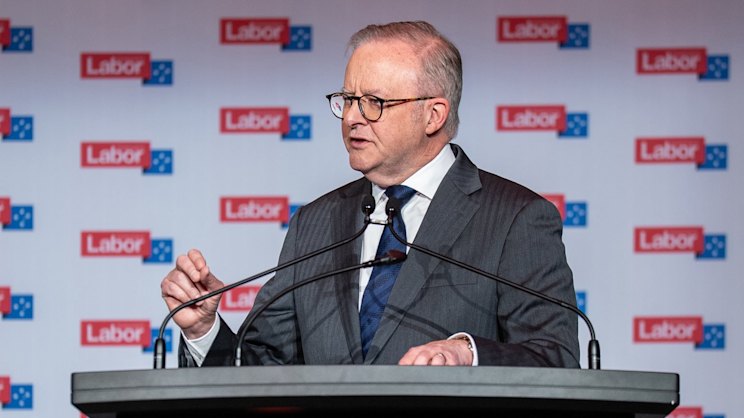
The auditorium of the Brisbane Convention Centre was filled with party faithful, union banners, and the familiar trappings of an incumbent government defending its record. But underneath the procedural cheers and scripted applause on Sunday, the atmosphere was defined by something rarely seen at a state Labor gathering: genuine political panic.
Prime Minister Anthony Albanese and Treasurer Jim Chalmers took to the stage not merely to trade routine blows with their traditional Liberal-National opponents, but to launch a scorched-earth offensive against an insurgent force that has upended Australian politics.
Albanese called it a duty owed “to history” to defeat hard-right populism, describing its ideology as “dangerous, divisive, and downright dishonest.” Chalmers doubled down, warning Australians against what he called a “dangerous and divisive coalition of chaos” linking the Coalition and Pauline Hanson’s One Nation.
The rhetorical escalation was deliberate, urgent, and aggressive. It was also driven by the shockwaves of an electoral earthquake less than twenty-four hours old.
Across the continent in Western Australia, One Nation candidate Luke Herdegen had shattered thirty years of Labor hegemony in the outer-suburban Perth seat of Secret Harbour. An 11.5 percent Labor buffer was obliterated in a single night, replaced by an overwhelming 57-to-43 percent two-party-preferred victory for Hanson’s party. Simultaneously, national polling confirmed that the result was no regional anomaly: a bombshell Newspoll placed One Nation at 30 percent of the national primary vote, narrowly surpassing Labor at 29 percent and leaving the Coalition trailing far behind at 19 percent.
The century-old two-party duopoly that has governed the Commonwealth since Federation is fracturing. And in the industrial heartlands and mortgage-belt suburbs that once provided Labor’s bedrock, an entire class of forgotten voters is walking away.
The Queensland Labor State Conference transformed into a crisis bunker after the fall of Secret Harbour provided indisputable proof that One Nation’s polling surge can materialize into lower-house parliamentary seats.
┌─────────────────────────────────────────────────────────────────┐
│              THE SECRET HARBOUR BY-ELECTION UPHEAVAL            │
├───────────────────────────────┬─────────────────────────────────┤
│ FORMER MARGIN                 │ Labor 11.5%                     │
├───────────────────────────────┼─────────────────────────────────┤
│ PRIMARY VOTE SPLIT            │ • One Nation (Herdegen): 39.1%  │
│                               │ • Labor (Tree): 24.4%           │
│                               │ • Liberals (Robertson): 17.3%   │
├───────────────────────────────┼─────────────────────────────────┤
│ FINAL TWO-CANDIDATE RESULT    │ One Nation: 57% | Labor: 43%    │
├───────────────────────────────┼─────────────────────────────────┤
│ SWING AGAINST LABOR           │ 18.6%                           │
└───────────────────────────────┴─────────────────────────────────┘
The Players and the Battlefield
-
Anthony Albanese: The Prime Minister attempted to rally his movement by placing the contest on a grand ideological plane. Warning of the global rise of hard-right movements, he sought to cast Hanson’s party as opportunistic charlatans offering facile answers to complex national dilemmas. He framed Labor as the party of genuine wage growth, Medicare, and multicultural unity, while accusing One Nation of attacking penalty rates, working-from-home flexibilities, and social cohesion.
-
Jim Chalmers: The Treasurer deployed national-security-grade rhetoric. Rather than isolating Hanson, Chalmers attacked the structural threat of an informal parliamentary axis between the Liberals, Nationals, and One Nation—branding it an economic risk that would erode compulsory superannuation, suppress real wages, and dismantle workplace protections.
-
Luke Herdegen & Pauline Hanson: Herdegen’s victory delivered One Nation its first lower-house seat in Western Australia. Following four lower-house gains in South Australia’s state election and a federal by-election breakthrough in the regional NSW division of Farrer, Hanson has established that her movement is no longer confined to regional Queensland.
-
Roger Cook & Labor Pragmatists: The Western Australian Premier struck a markedly different tone from the federal leadership, candidly admitting that voters were suffocating under cost-of-living pressures and that Labor had to “listen” rather than merely lecture.
                  [ ONE NATION'S EXPANDING FOOTPRINT ]
                                   │
      ┌────────────────────────────┼────────────────────────────┐
      ▼                            ▼                            ▼
[ SOUTH AUSTRALIA ]         [ FEDERAL FARRER ]        [ SECRET HARBOUR, WA ]
4 lower-house seats         Maiden federal lower-     First WA lower-house seat;
secured in state election   house win in rural NSW    18.6% swing against Labor
The Statistical Realignment
The primary catalyst for federal Labor’s alarm is the arithmetic of the latest Newspoll:
-
One Nation: 30%
-
Labor: 29%
-
Coalition: 19%
-
Greens: 13%
While Australia’s preferential voting system requires geographically concentrated majorities to capture single-member House of Representatives seats, the primary collapse of both major parties fundamentally breaks the conventional models used by campaign strategists.
2. My Professional Perspective
Over thirty years of investigative reporting across the democratic world—from the deindustrialized factory towns of the American Midwest that defected to Donald Trump, to the red-wall constituencies of Northern England that broke for Brexit—I have observed a universal rule:
Establishment parties never acknowledge why voters leave them until it is too late. Instead, they accuse the voters of having fallen under a dark spell.
When Anthony Albanese declares from a conference lectern that Labor owes it “to history” to defeat hard-right populism, he is using the rhetoric of high moral crusade to paper over an acute governing failure.
The story in Australia is not that millions of suburban voters suddenly developed an appetite for far-right radicalism. The story is that the Australian political and economic consensus has broken down for the working class, and the party built to defend them has become the custodian of their stagnation.
┌────────────────────────────────────────────────────────┐
│              THE SUBURBAN DISCONNECT                   │
├───────────────────────────┬────────────────────────────┤
│ CANBERRA'S COMMUNIQUÉ     │ SECRET HARBOUR REALITY     │
├───────────────────────────┼────────────────────────────┤
│ • "Wages are growing"     │ • Inflation has eaten real │
│                           │   income gains             │
│ • "Headline inflation is  │ • Variable mortgage rates  │
│   moderating"             │   up hundreds per month    │
│ • "Defending our diverse  │ • Rental vacancy below 1%; │
│   multicultural society"  │   infrastructure gridlocked│
│ • "Populists are dishonest│ • "Neither major party is  │
│   and divisive"           │   listening to our town"   │
└───────────────────────────┴────────────────────────────┘
What People Have Overlooked: The Death of the Liberal “Safety Net”
For generations, Australian political analysis operated on a binary assumption: when working-class voters became exhausted by a Labor government, they either stayed home or held their noses and voted Liberal. The Liberal Party served as the system’s designated release valve.
Secret Harbour blew that assumption to pieces.
The Liberal Party did not win this by-election. They did not even finish second. They limped across the line in third place with a catastrophic 17.3 percent of the vote.
The Australian center-right is hollowed out. Under pressure from moderate “Teal” independents in its wealthy, inner-city blue-ribbon seats and stripped of its working-class appeal in the outer suburbs, the Liberal Party is failing to function as an effective alternative government.
This changes everything. Labor can no longer rely on the specter of a traditional Coalition government to discipline its dissident base. Disillusioned voters are not drifting to an opposition they view as equally compromised; they are heading straight to One Nation.
The Deeper Meaning: The Failure of the 1998 Precedent
In his address, Albanese tried to soothe the party by reminding them of Queensland in 1998, when One Nation captured 11 state seats before imploding in factional chaos.
Invoking 1998 in 2026 is an act of historical blindness.
1998 BREAKTHROUGH                     2026 BREAKTHROUGH
──────────────────────────────────────────────────────────────────────────────
• Regional Queensland isolated        • Multi-state footprint (WA, SA, NSW)
• Dependent on hostile print media    • Digital direct-to-voter social channels
• Monolithic 2-party voter loyalties  • Historic low in combined major-party vote
• Pre-housing affordability crisis    • Generational crisis in rent and shelter
──────────────────────────────────────────────────────────────────────────────
In 1998, One Nation was an erratic startup, run by political novices and easily dismantled by experienced party whips and unfavorable press coverage. More importantly, in 1998 the Australian egalitarian dream was still functioning: a working-class couple in outer Brisbane or western Sydney could buy a detached house on three times their combined income.
Today, that social contract is ash.
The typical Australian home costs more than eight times the average annual wage. In Perth’s outer mortgage belt—suburbs like Secret Harbour, Mandurah, and Baldivis—young families who did everything right are confronting variable interest rates that swallow half their net earnings, grocery bills that climb every quarter, and local GP clinics that have abandoned bulk-billing.
At the same time, Australia has absorbed record-breaking net overseas migration numbers over consecutive years. While economists in Canberra argue that migration stabilizes headline GDP figures, the apprentice carpenter living in an outer suburb sees only a zero-vacancy rental market, jam-packed secondary roads, and primary schools operating out of demountable classrooms.
When Pauline Hanson says, “The country is full, the system is broken, and they are ignoring you,” the working-class voter does not hear a far-right ideologue. They hear someone acknowledging what they see out their front windshield every morning.
The Strategic Trap: Chalmers’ Economic Smear
Recognizing that cultural lectures do not win back outer-suburban mortgage holders, Treasurer Jim Chalmers has adopted a different tactic: attacking One Nation’s economic record.
He warns that Hanson will vote with the Coalition to cut penalty rates, weaken awards, and undermine superannuation.
It is an orthodox Labor strategy. But it carries a massive vulnerability: it assumes working-class voters still believe Labor protects their standard of living.
THE WORKING-CLASS VOTER'S CALCULATION
Labor: "If you vote One Nation, your wages and working conditions will drop."
                               │
                               ▼
Voter: "My living standards dropped under you. Rents skyrocketed,
        utility bills soared, and my kids will never afford a home.
        What exactly are you protecting me from?"
You cannot frighten someone with the prospect of economic decline when they believe they are already living through it under your administration. By focusing on industrial relations abstractions while ignoring the immediate pressures of housing costs and population growth, Labor risks looking defensive, out of touch, and desperate.
What Questions Remain Unanswered?
As Australia heads into an unpredictable federal campaign cycle, several critical questions remain unaddressed:
-
How Will Preferential Flows Break? Under preferential voting, can One Nation discipline its voters to direct preferences strictly against sitting Labor MPs? If One Nation’s preferencing discipline mirrors the Green Party’s, sitting Labor members across outer Sydney, western Melbourne, and suburban Brisbane could be wiped out in three-cornered contests.
-
Will the Coalition Capitulate or Fight? Does the Coalition attempt to form a formal electoral pact with One Nation, or will moderate Liberals revolt at the prospect of being tied to Hanson’s social policies?
-
Where Is Labor’s Structural Reform? Will the Albanese cabinet summon the courage to challenge its own economic orthodoxies—reining in runaway migration, curtailing property investor tax concessions, and forcing down energy prices—or will it remain wedded to incrementalism while the electorate burns?
The red dirt and suburban sprawl of Secret Harbour may seem a world away from the halls of Parliament House in Canberra. But on that quiet stretch of Indian Ocean coast, the dam broke.
For thirty years, Australia’s political elite treated Pauline Hanson as a passing storm—something to be weathered, ridiculed, and kept at arm’s length until the natural order of two-party governance resumed.
That order is not returning.
The sight of the Prime Minister and the Treasurer standing before their party faithful in Brisbane, invoking historical crusades and sounding the alarm against an insurgent minor party, is proof that the old political cartels are running out of runway.
Labor cannot win this war with speeches about multiculturalism, warnings about historical debt, or institutional panic. You cannot shame thirty percent of the electorate into submission. You cannot tell families who cannot afford rent that their real problem is an insufficient appreciation of democratic norms.
If Anthony Albanese and Jim Chalmers want to defeat One Nation, they must stop analyzing the rhetoric of Pauline Hanson and start examining the material misery of the people who voted for her.
They must rebuild the broken ladder of Australian social mobility. They must make housing affordable again. They must prove that the state can control its borders, manage its population, and protect the living standards of ordinary people without descending into bureaucratic indifference.
If they cannot, the historic victory in Secret Harbour will not be remembered as a high-water mark for a populist insurgency. It will be remembered as the moment the old political establishment heard the ice cracking beneath its feet—and kept on dancing.
When the working people who built a political movement decide that their creators no longer speak for them, who has truly abandoned the principles of history—the voters walking out the door, or the leaders left standing on the empty stage?