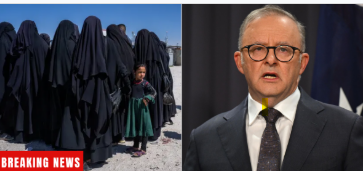
Viral Misinformation Targets Australian MP Andrew Hastie in Fabricated ISIS Return Claims .u1

Viral Misinformation Targets Australian MP Andrew Hastie in Fabricated ISIS Return Claims
A sensational online narrative falsely claims conservative lawmaker Andrew Hastie exposed Prime Minister Anthony Albanese in a criminal conspiracy over returning citizens, highlighting the rapid spread of political deepfakes and unverified claims on social media.
What Happened
A viral storm has erupted across fringe social media groups, falsely claiming that Shadow Home Affairs Minister Andrew Hastie delivered a devastating parliamentary takedown of Prime Minister Anthony Albanese.
The fabricated posts alleged that Hastie possessed “ironclad evidence” proving Albanese personally granted citizenship and facilitated the return of high-risk “ISIS brides” from Syrian detention camps.

According to these unverified claims shared widely on anonymous Facebook pages and meme accounts, the alleged political betrayal warranted a 30-year prison sentence.
However, an examination of official parliamentary records, media transcripts, and security updates confirms no such speech, quote, or legal accusation ever occurred.
Australian mainstream news organizations, including major networks and independent outlets, have found zero primary evidence supporting the existence of this explosive viral narrative.
Why It Matters
The widespread circulation of this fabricated controversy underscores a growing vulnerability in modern political discourse.
While the underlying policy debate surrounding national security and repatriations is real, the distortion of facts into conspiracy-level fiction damages public trust.
When complex legal frameworks are reduced to viral outrage, it becomes difficult for voters to engage with legitimate governance issues.
National security decisions involving citizens stranded in conflict zones require careful balancing of intelligence assessments, international law, and public safety.
Fabricating criminal allegations against elected officials distracts from substantive legislative scrutiny and deepens political polarization.
Inside the Real Debate Over Repatriations
The misinformation campaign originated from genuine, high-stakes political friction regarding Australian nationals stranded in Middle Eastern camps since the collapse of the Islamic State caliphate in 2019.
In recent months, small cohorts of women and children with Australian citizenship links have attempted journeys home from camps like Roj in northeastern Syria.
These movements triggered fierce opposition criticism, with Andrew Hastie openly condemning the returns.
Hastie argued that individuals who traveled to support a terrorist organization posed inherent risks to domestic social cohesion.
In standard parliamentary debates and media interviews, Hastie pressed the Albanese government for transparency regarding travel documents and security monitoring.
However, his criticisms remained focused on policy disagreements rather than personal corruption or criminal acts by the Prime Minister.
The Legal Framework Governing Returning Citizens
Australia’s approach to citizens linked to foreign terrorist organizations is governed by established statutory frameworks rather than unilateral executive orders.
Under the Australian Citizenship Act 2007, stripping citizenship from individuals born in Australia faces strict legal limitations.
Furthermore, national security agencies—including ASIO and the Australian Federal Police—evaluate returning individuals on a case-by-case basis.
The federal government has maintained that it does not actively orchestrate or finance the repatriation of adults from Syrian camps.
At the same time, authorities have implemented measures such as temporary exclusion orders and strict surveillance upon arrival to manage potential security threats.
What Different Sides Are Saying
The issue continues to divide political stakeholders across the spectrum:
-
The Coalition: Conservative lawmakers argue that anyone who aligned with Islamic State broke a fundamental social contract and should face maximum legal barriers to re-entering the country.
-
The Federal Government: Labor ministers emphasize adherence to domestic and international legal obligations while insisting that national security agencies maintain rigorous oversight of any citizens who manage to return.
-
Human Rights and Aid Groups: Organizations like Save the Children have advocated for the safety of minors stranded in camps, distinguishing between radicalized adults and dependent children.
What Happens Next
Debates over border security, citizenship rights, and counter-terrorism measures will remain a central fixture in federal parliament.
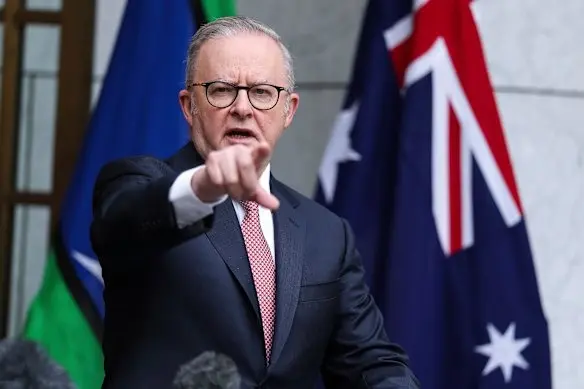
As security agencies monitor developments in the Middle East, legal challenges regarding exclusion orders and passport issuance are expected to continue winding through administrative and judicial channels.
Meanwhile, digital literacy experts urge caution as hyper-partisan narratives continue to exploit sensitive national security topics for online engagement.
Conclusion
The viral claim targeting Andrew Hastie and Anthony Albanese serves as a stark reminder of how easily contemporary political arguments can morph into fabricated digital myths.
Separating verified parliamentary advocacy from sensational online fabrications is essential for maintaining a healthy democratic process.
How do you think social media platforms and lawmakers should address the rapid spread of fabricated political narratives during sensitive national debates?