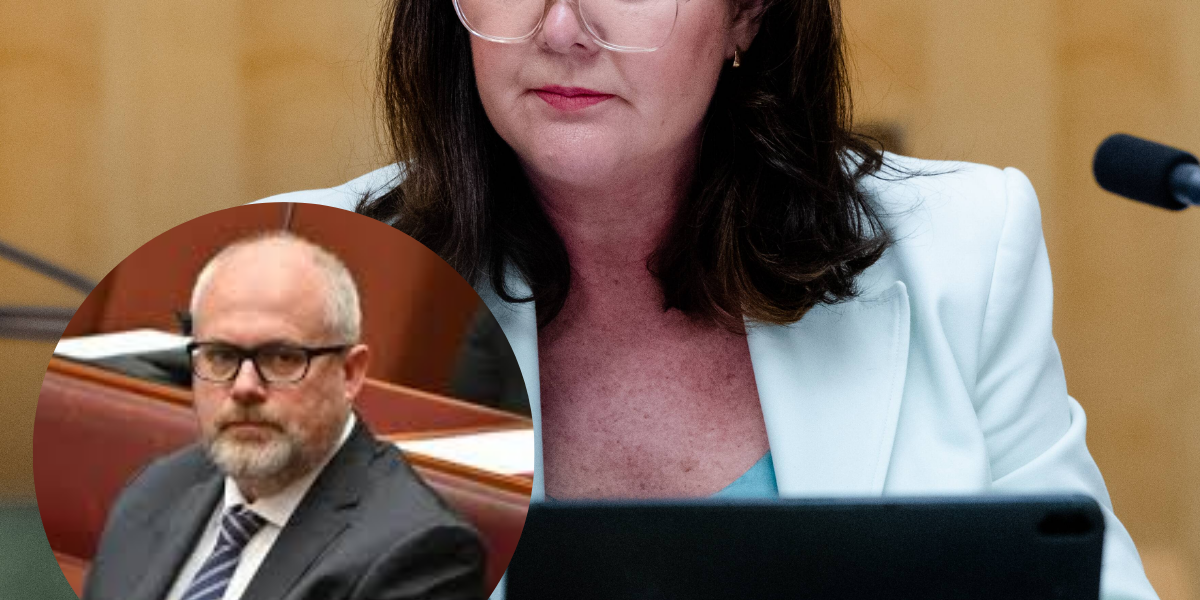

Labor Minister Defends NRFC Board Appointment Amid Questions Over Attendance and Partisan Posts
A Labor minister faced rigorous questioning in Senate estimates over the appointment of a personal acquaintance to the National Reconstruction Fund Corporation board, following revelations of low meeting attendance and politically charged social media posts.
A Senate estimates hearing has thrust the governance standards of the National Reconstruction Fund Corporation (NRFC) into the spotlight after opposition senators questioned a minister regarding the appointment and conduct of board member Mr Thompson.
The exchange uncovered a non-standard recruitment pathway, the lowest meeting attendance figures on the board, and a series of partisan social media posts made while the director was publicly linked to the fund’s official communications.

The inquiry focused heavily on transparency, due diligence, and the expected standards of independence for individuals serving on taxpayer-funded investment boards.
What Happened: Low Attendance and Partisan Social Media Activity
During the hearing, Senator Jane Hume pressed the minister regarding Mr Thompson’s performance and background.
Records revealed that Mr Thompson attended only eight of eleven full board meetings in 2024–25, representing the lowest attendance rate among full-time board members.
He also recorded the lowest participation on the investment subcommittee, attending just seven of ten meetings.
The questioning quickly expanded to include Mr Thompson’s public social media activity.
Senators tabled multiple LinkedIn posts made by Mr Thompson while he was serving as an NRFC board member and being tagged by the fund’s official promotional accounts.
The posts included direct political commentary, such as critical remarks directed at Coalition frontbencher Angus Taylor, shared material supporting Labor legislation, a supportive post under a statement by Prime Minister Anthony Albanese declaring “this is what real leadership looks like,” and a graphic warning against the opposition.
Why It Matters: Governance and Political Neutrality in Public Funds
The National Reconstruction Fund was established to drive industrial development, manufacturing, and strategic investment across Australia.
As a body handling significant public funds, its board is expected to maintain professional distance and operational integrity.
Critics argue that the combination of a personal connection to the minister, a delayed appointment pathway that bypassed external recruiters, a missing due diligence file, and active partisan commentary creates a troubling perception of conflict.
While governments of all political stripes frequently appoint individuals with known industry backgrounds, the transparency of the process and the public appearance of political neutrality remain central to maintaining public trust in statutory authorities.
The Appointment Process Under Scrutiny
When questioned about how Mr Thompson secured the role, the minister repeatedly defended the decision as a “cabinet appointment” rather than detailing specific lobbying efforts.
Mr Thompson was not shortlisted by the external recruiters who vetted the rest of the board and was appointed two months after the other eight members.
Due diligence was limited to a desktop check conducted by the department, and records indicate the relevant file has since gone missing.
Furthermore, the Australian National Audit Office (ANAO) noted that the department had previously warned the government that the appointment might attract public scrutiny.
Despite these procedural anomalies, the minister defended the appointment on the grounds of Mr Thompson’s extensive background in industrial investment, shipbuilding, and rail, arguing that his blue-collar manufacturing experience brings valuable diversity to the board.
Context: Balancing Industry Experience and Political Independence
The minister rejected suggestions that the appointment conflicted with standard governance reviews, noting that the board also includes individuals from varied political backgrounds, such as a former Liberal assistant treasurer.
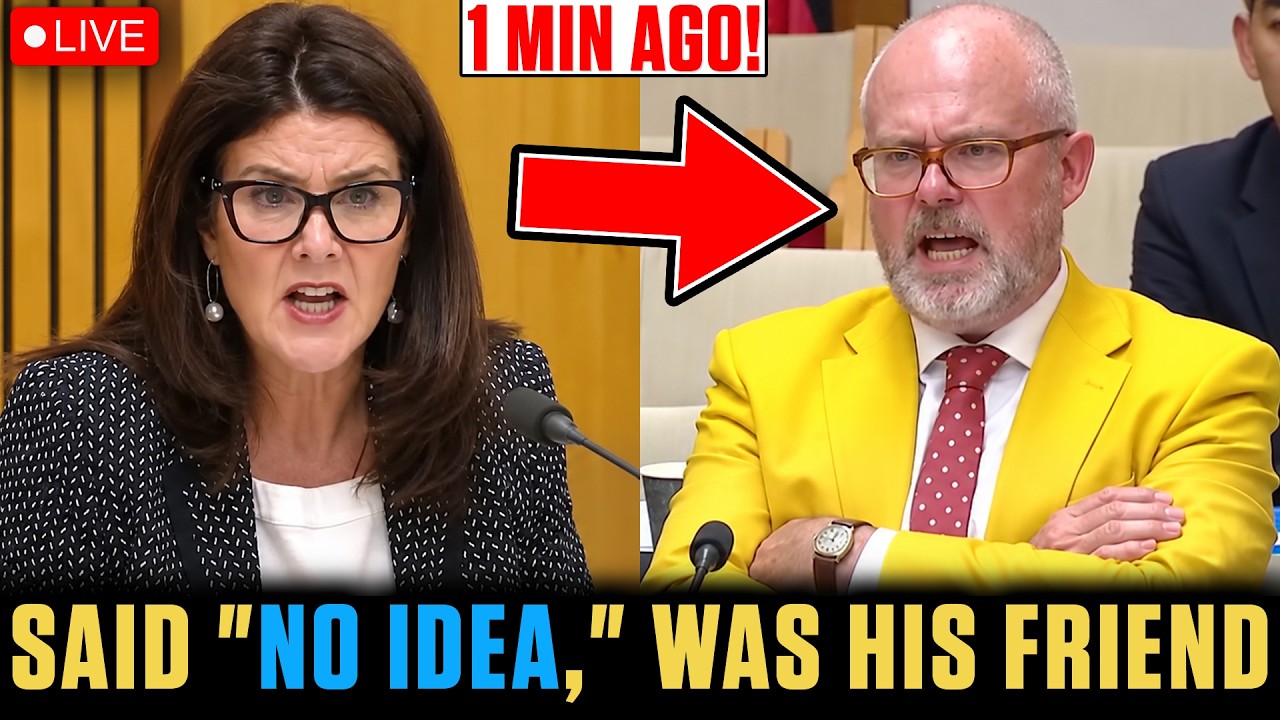
He maintained that he was “not troubled by people having different views” and expressed confidence in the board’s overall operations.
When asked if it was appropriate for a public board member to engage in overt political commentary on an accessible professional profile, the minister indicated he was unaware of legal restrictions regarding social media posts, though he agreed to review them.
Opposition senators signaled that inquiries into the governance standards of public board appointees will continue as the NRFC rolls out its broader investment agenda.
What Happens Next
The minister has stated he will examine the social media posts brought to light during the hearing, though he declined to take immediate punitive action, emphasizing his ongoing confidence in the appointment.
Whether the board chair or the government will issue formal guidance regarding the social media conduct and meeting participation of directors remains uncertain.
As the NRFC continues its work supporting Australian manufacturing, the balance between political expression and the impartiality expected of public officeholders will remain a focal point of parliamentary oversight.
Do you think individuals appointed to government-backed investment boards should be subject to strict rules regarding public political commentary on social media?