

Fact-Checking the Viral Claims: When Deepfakes and Misinformation Target Australian Morning Television
Viral social media posts have weaponized fabricated television clashes to spread disinformation, utilizing AI-generated imagery and false quotes involving high-profile media figures and political leaders.
In an era where digital content can be manufactured with alarming ease, artificial intelligence and online disinformation campaigns have increasingly targeted mainstream media figures.
Recently, social media feeds have been flooded with dramatic accounts of a heated, fictional confrontation on the popular Australian breakfast television program Sunrise.
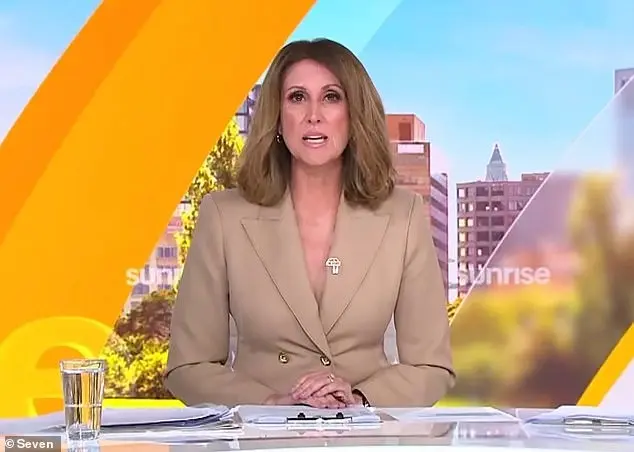
According to widely shared posts across platforms like Facebook, network host Natalie Barr engaged in an explosive, career-defining on-air clash with Prime Minister Anthony Albanese regarding environmental policies, wildlife habitats, and renewable energy.
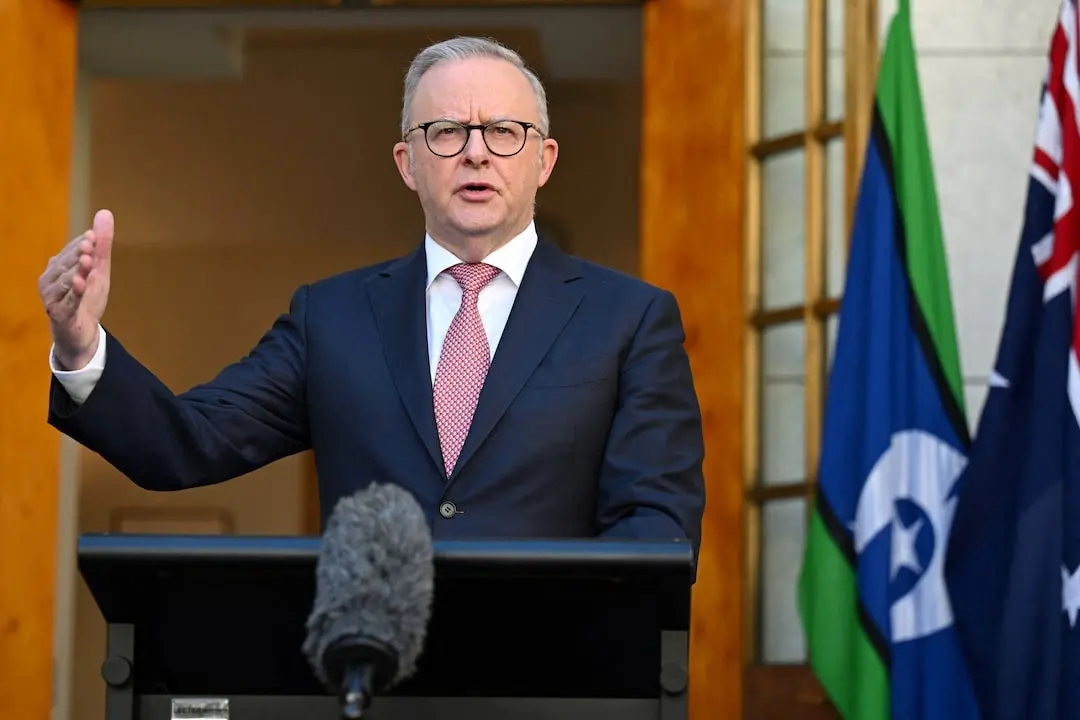
The narrative painted a picture of raw television drama: a journalist losing her composure, a studio falling into stunned silence, and a prime minister cornered on live television.
There is only one problem with the story.
It never happened.
What Actually Happened: Separating Fact From Fiction
Independent fact-checking organizations, including Australian Associated Press (AAP), have thoroughly debunked the viral claims, confirming that the entire exchange was fabricated.
Transparency data indicates that many of the pages pushing these fictional confrontations are managed from overseas locations, utilizing sophisticated network structures to generate traffic and ad revenue.
The posts rely heavily on fabricated transcripts, sensationalized headlines, and manipulated visuals, including AI-generated images of presenters and political figures.
In this specific instance, posts claimed Barr accused the Labor government of greenwashing and destroying natural ecosystems while failing to protect wildlife.
None of these statements were uttered on air.
The broadcast history of Sunrise contains no record of the fiery confrontation, the alleged studio silence, or the dramatic policy rebuffs attributed to Mr. Albanese.
Instead, the viral narrative was engineered from scratch to exploit public debates surrounding climate policy, media accountability, and political trust.
Why It Matters: The Growing Threat of AI Disinformation
While fake television rows might initially seem like bizarre internet anomalies, security analysts and media watchdogs warn they represent a dangerous evolution in digital disinformation.
Targeting trusted domestic news brands and familiar television anchors is a deliberate strategy designed to lower public skepticism.
When users see a recognizable face like Natalie Barr paired with a provocative political headline, they are far more likely to engage, react, and share without verifying the source.
This tactic weaponizes public frustration over complex issues like environmental transitions and the cost of living.
By framing political debates as explosive personal conflicts, disinformation networks aim to deepen social polarization, erode trust in mainstream journalism, and manipulate public perception ahead of major electoral cycles.
The Broader Context of Media Scrutiny in Australia
The fact that these fabricated scenarios gain traction is largely due to the genuine, high-stakes tensions that regularly characterize Australian politics.
Real-world interviews between morning television anchors and federal politicians are frequently robust, direct, and combative.
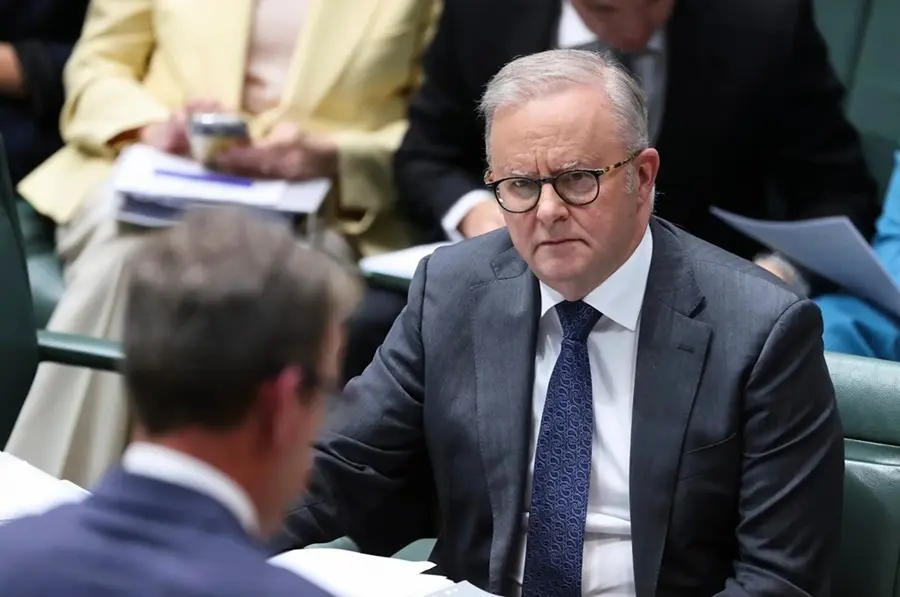
Journalists routinely press leaders on difficult policy areas, from renewable energy rollouts and environmental protection agencies to housing affordability and national security.
Discussions regarding how Australia balances its net-zero emissions targets with regional ecological preservation remain deeply contentious.
When real policy debates involve genuine friction, fabricated narratives find fertile ground, blurring the line between legitimate political critique and entirely fictitious computer-generated outrage.
How Fake Content Exploits Digital Platforms
The mechanics behind these viral posts reveal a calculated financial and psychological blueprint.
Operating largely through foreign-managed accounts, the creators of these deepfakes rely on sensationalism to bypass algorithmic filters and capture user attention.
Clickbait phrasing—such as claims that a presenter “stunned the nation” or “shattered Canberra”—creates an immediate emotional hook.
Once users click the link to read the full “article,” they are typically directed to external websites laden with intrusive advertisements and further misinformation.
The primary driver is rarely ideological persuasion; rather, it is attention economy monetization built on the exploitation of public figures.
What Happens Next: Protecting Public Trust
As synthetic media and AI-generated text become more sophisticated, media organizations, tech platforms, and regulators face an ongoing battle to protect digital spaces from manipulation.
For news consumers, the incident serves as a stark reminder of the necessity of digital literacy.
Verifying sources, checking official broadcaster archives, and maintaining a healthy skepticism toward emotionally charged social media snippets are becoming essential skills in navigating modern media.
Ultimately, while artificial intelligence can manufacture convincing illusions of political chaos on morning television, it remains a reminder that the most potent defense against disinformation is rigorous fact-checking and public awareness.
Interactive Discussion Question
How can social media platforms and regulatory bodies more effectively curb the spread of AI-generated fake news without compromising free expression?