
Political Fallout Intensifies for Anthony Albanese Following Bondi Beach Terrorist Attack
Australia faces profound questions over security failures and leadership accountability as Prime Minister Anthony Albanese confronts plummeting public approval in the wake of the devastating December 2025 Bondi Beach massacre.
Australia is traversing one of the darkest chapters in its modern history.
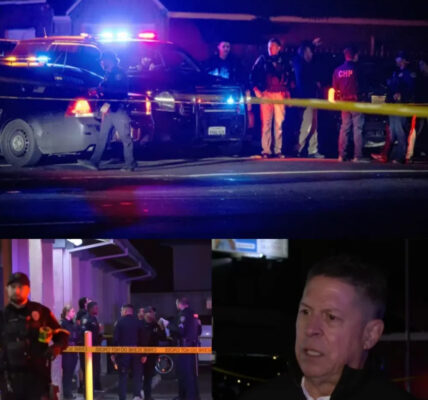
The December 14, 2025, terrorist attack at Bondi Beach during a Hanukkah celebration claimed 15 innocent lives, leaving a tight-knit community shattered and the nation’s political landscape boiling with demands for accountability.
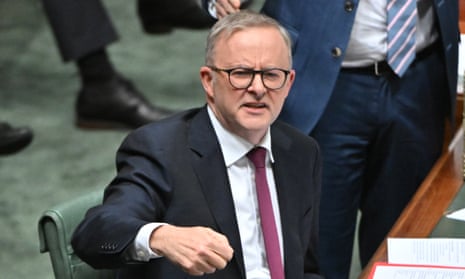
At the center of this gathering storm, Prime Minister Anthony Albanese faces immense political pressure.
As the public and commentators dissect the tragedy, questions are mounting over whether federal intelligence agencies and the government ignored clear warnings before blood was shed.
What Happened: The Bondi Beach Tragedy
On the evening of December 14, two gunmen inspired by Islamic State (ISIS) ideology opened fire on a peaceful community gathering at Archer Park, Bondi Beach, where roughly 1,000 people had gathered for an annual Hanukkah celebration.
The attack left 15 people dead and over 40 others injured, making it the deadliest mass shooting in Australia since the 1996 Port Arthur massacre.
Intelligence agencies had previously flagged rising anti-Semitism and potential violence risks.
ASIO Director-General Mike Burgess had explicitly warned of threats to the Jewish community earlier in 2025.
Critics argue these warnings were met with institutional complacency rather than aggressive preventive action.
Why It Matters: A Nation Shaken and a Leader Under Fire
The political fallout extends far beyond standard partisan bickering, striking at the heart of public trust in national security and executive leadership.
While the Albanese administration moved swiftly after the attack to implement gun law reforms, hate speech legislation, and intelligence reviews, opponents have dismissed these moves as reactive measures.
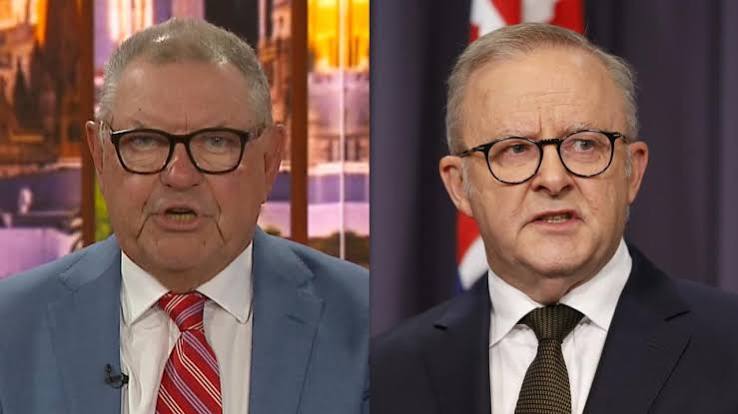
Prominent commentators, including Steve Price, have criticized the Prime Minister for a perceived lack of emotional connection during a time of national grief, describing his public statements as overly scripted and administrative.
Furthermore, a high-profile policy reversal regarding a judicial inquiry added to the turbulence.
Initially, Albanese supported only a state-level investigation, but intense pressure from the opposition, independent MPs, and victims’ families forced him to reverse course and announce a federal Royal Commission.

Critics point to this pivot as evidence of a reactive leadership style that only acts when politically cornered.
Broader Economic Pressures and Plummeting Approval Ratings
The timing of the crisis compounds the government’s vulnerability.
Australia has been grappling with a severe cost-of-living crisis, with inflation having peaked at 8.4% and interest rates reaching their highest levels since 2011.
Recent polling data indicates that Prime Minister Albanese’s net approval rating has plummeted to -12%, while roughly 75% of Australians express dissatisfaction with the government’s handling of economic pressures.
With a federal election approaching, these compounding crises have severely narrowed the administration’s political margin for error.
The Political Divide Over Foreign Policy and Security
The national debate has also intersected with foreign policy tensions.
The political opposition, led by Peter Dutton, has scrutinized the government’s diplomatic positions—such as its stance on international conflicts in the Middle East—and questioned whether policy shifts inadvertently influenced domestic security dynamics.
While Albanese firmly rejected such links, attributing the atrocity strictly to violent extremist radicalization, political friction has intensified.
Public memorials have underscored these deep divisions; during a national day of reflection, Prime Minister Albanese faced a hostile reception from grieving community members demanding greater protection and accountability.
What Happens Next
As Australia awaits the findings of the federal Royal Commission, the government remains under intense scrutiny to overhaul its intelligence-sharing and threat-assessment protocols.
The upcoming inquiry findings will test whether current legislative adjustments are sufficient to restore public confidence.
For Anthony Albanese, the ultimate test will be convincing a grieving and skeptical public that his administration can guarantee national safety while navigating an increasingly volatile geopolitical and domestic landscape.
Interactive Discussion Question
Do you think swift policy changes and federal inquiries are enough to restore public trust after such a severe security failure?