Anthony Albanese Defends Immigration Policy Amid Housing and Population Debate .u1

Anthony Albanese Defends Immigration Policy as Population and Housing Debate Intensifies Across Australia
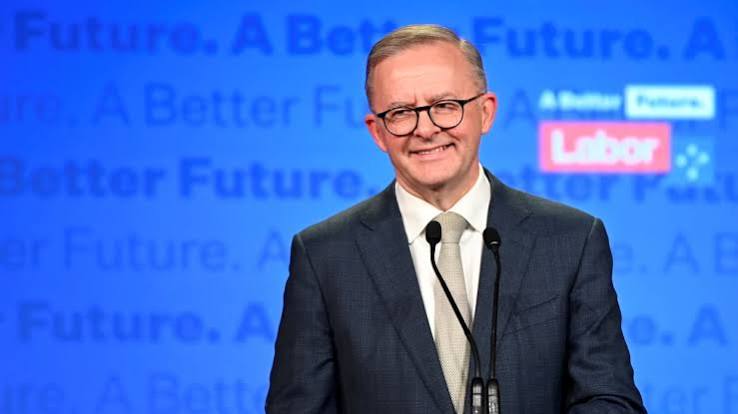
Prime Minister Anthony Albanese has pushed back against growing political pressure to restrict immigration, warning that the national debate must not be driven by fear and division as Australia grapples with housing and infrastructure strains.
Prime Minister Anthony Albanese has stepped directly into one of the most contentious political debates in Australia, rejecting calls from critics to implement stricter migration controls.
As public anxiety over housing affordability, infrastructure capacity, and population growth dominates the national conversation, the Prime Minister argued that Australia’s future relies on maintaining social cohesion.
His intervention comes as immigration rapidly emerges as a defining battleground for the country’s upcoming political cycle, forcing a sharp clash between economic demands and mounting public frustration.
What the Prime Minister Said
During a national discussion addressing rising pressure for tougher migration policies, Albanese chose not to signal a policy retreat.
Instead, he warned that Australia must avoid allowing fear and resentment to dictate national decision-making.
The Prime Minister acknowledged that many Australians are experiencing genuine pressures regarding housing availability, local infrastructure, and the rising cost of living.
However, he cautioned against turning those economic anxieties into a political campaign built on blame.
“The answer isn’t turning Australians against each other,” Albanese declared, emphasizing that the focus should remain on building a prosperous economy while protecting social unity.
Why the Immigration Debate Matters Now
The debate strikes at the intersection of Australia’s economic needs and the daily realities facing everyday households.
Supporters of the government’s current stance argue that immigration plays a vital role in sustaining workforce growth, particularly in sectors suffering from chronic labor shortages.
Proponents of migration maintain that infrastructure and housing crises are the result of long-standing planning failures rather than population intake alone, requiring sustained, long-term government investment.
On the other side, critics argue that rapid population growth is exacerbating housing markets that are already buckling under limited supply and soaring prices.
Opponents claim that transport systems, public services, and community resources are being stretched past their breaking point, leaving many voters feeling ignored by federal leaders.
Political Divisions and Public Reactions
The Prime Minister’s remarks have deeply polarized political observers and voters alike.
Supporters praised Albanese for refusing to pander to populist rhetoric during a tense economic climate, viewing his stance as a defense of multiculturalism and economic pragmatism.
Social media platforms quickly filled with debate following the remarks, reflecting a nation divided between the need for economic growth and concerns over community capacity.
Critics, however, dismissed the speech as an attempt to deflect from real-world problems.
Opponents accused the government of offering rhetorical solidarity instead of concrete solutions to the housing and infrastructure strains experienced by voters every day.
Political analysts note that smaller movements and opposition parties are capitalizing on these frustrations, pushing hard for strict caps on migration.
Broader Economic and Social Context
Immigration policy in Australia is no longer viewed strictly as a technical matter of border control or economic planning.
It has evolved into a broader referendum on national identity, living standards, and the social compact.
The federal government faces a delicate balancing act.
It must satisfy the demands of business sectors reliant on skilled overseas labor while addressing the legitimate concerns of citizens struggling to secure affordable housing.
As housing affordability remains a primary voter concern, the tension between population growth and infrastructure readiness is expected to dominate political campaigns in the months ahead.
What Happens Next in the National Debate
The federal government must navigate a difficult path as it attempts to reconcile economic forecasting with public sentiment.
Further policy adjustments regarding skilled migration intakes and housing investments are widely anticipated as political pressure mounts from both sides of the aisle.
Whether Albanese’s call for social unity will resonate with voters feeling the pinch of the cost-of-living crisis remains an open question.

What is certain is that migration, housing, and national identity will remain central flashpoints in Australian politics for the foreseeable future.
How do you think the federal government should balance the need for skilled labor with growing public concerns over housing and infrastructure capacity?