
Australian Senate Clash Over National Flag and Palestinian Symbolism Sparks Procedural Test
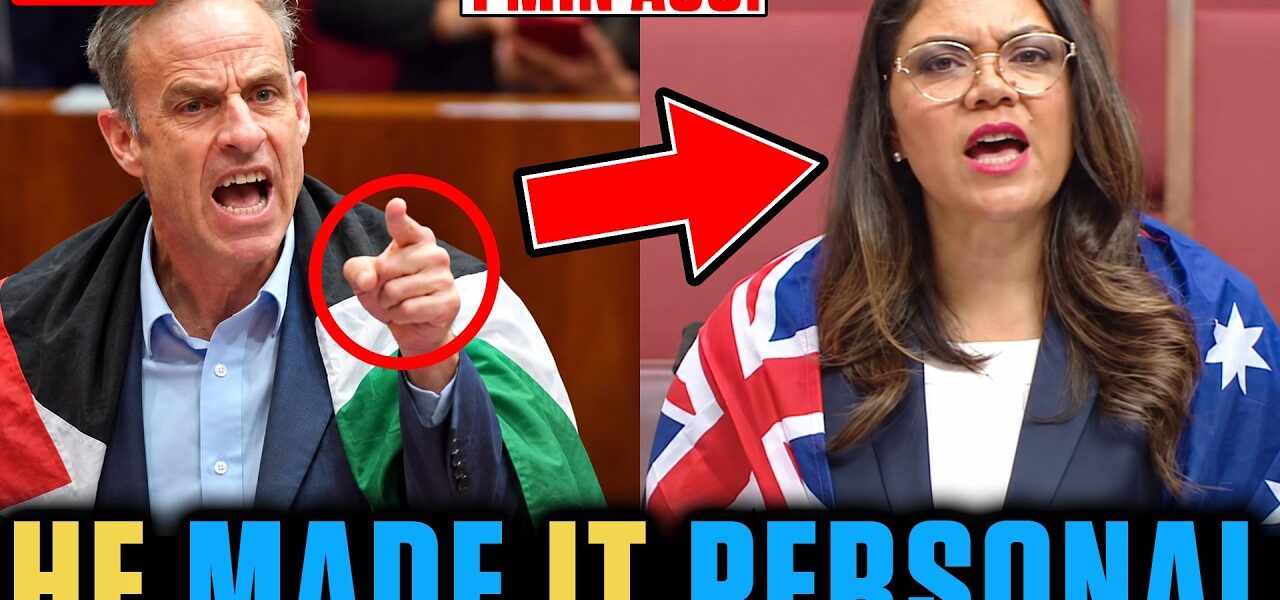
A parliamentary debate over parliamentary props and national identity turned contentious in Canberra as Senator Nick McKim challenged Senator Jacinta Nampijinpa Price wearing the Australian flag, leading to a broader clash over rules, symbolism, and foreign policy disputes.
The Australian Senate became the stage for a sharp political confrontation when a procedural question over the use of flags transformed into a heated debate about national identity and free expression.
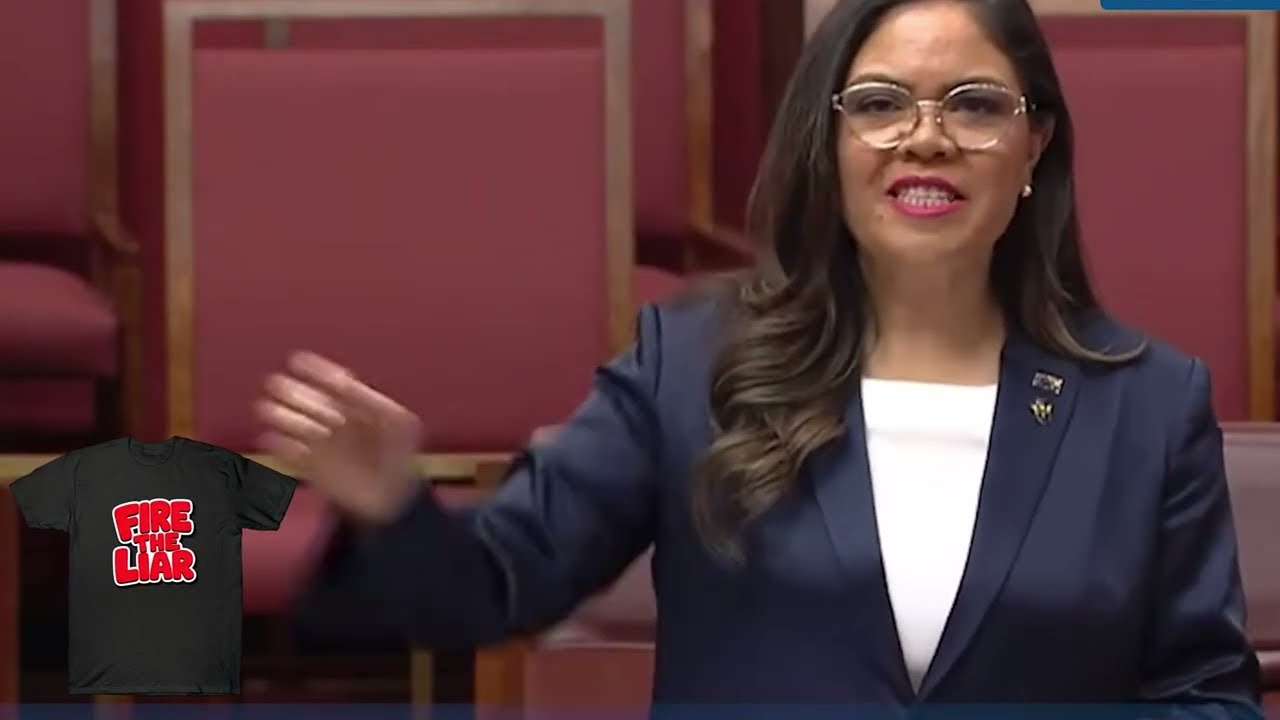
Senator Nick McKim of the Greens challenged whether Senator Jacinta Nampijinpa Price violated chamber rules by wearing the Australian flag around her shoulders during a speech.
The intervention immediately pushed long-standing tensions surrounding parliamentary protocols and geopolitical disputes directly onto the floor of federal parliament.
What Happened During the Senate Clash
The dispute unfolded on National Flag Day as Price delivered an address on the historical significance and unifying meaning of the Australian flag.
She described the flag as a symbol of shared citizenship and national responsibility, urging lawmakers to protect the country for future generations.
McKim interrupted the proceedings to question whether wearing the flag over the shoulders constituted a prohibited prop under Senate regulations.
He stated that if Price was permitted to wear the national flag, he intended to exercise the same right by wearing a Palestinian flag in the chamber.
The acting president of the Senate intervened, asking Price to remove the flag to avoid setting a procedural precedent while the matter was referred for a formal ruling.
Why the Rules Debate Matters for Parliament
The confrontation quickly moved past simple chamber protocols to address how symbolic objects are regulated in modern Australian politics.
McKim argued that the national flag was already an official presence within the Senate chamber, suggesting a distinction between an established state symbol and personal political items.
He emphasized that parliamentary rules should apply consistently regardless of the political or national cause associated with a particular symbol.
For the government and Senate leadership, the challenge lies in maintaining neutral procedural standards while managing symbols that carry immense emotional and political weight for different lawmakers.
Wider Political Arguments Over Flag Laws
The exchange expanded into a broader debate when Price connected her defense of the national flag to concerns over social cohesion and public protests.
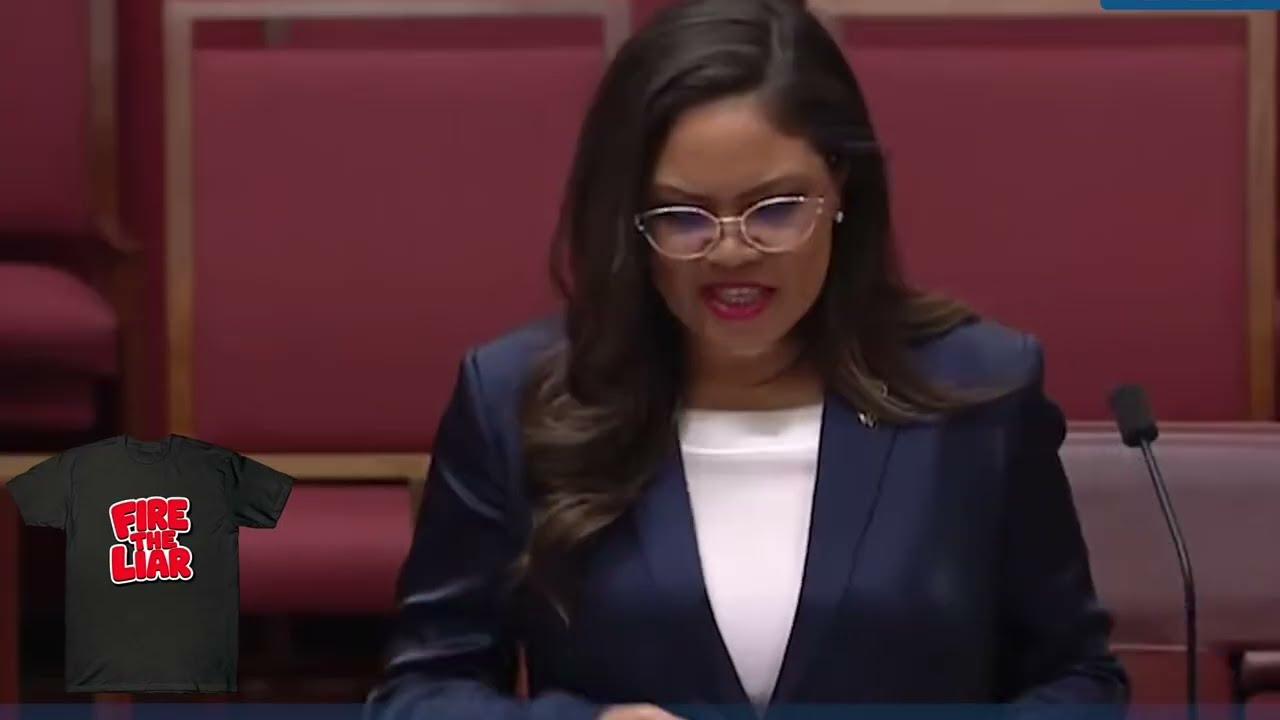
She argued that the deliberate desecration or burning of the Australian flag should be treated as a criminal offense rather than protected political expression, calling for new legislation to outlaw the practice.
Price contrasted her support for the national emblem with what she described as divisive rhetoric and political demonstrations associated with foreign conflicts, including the Israeli-Palestinian issue.
Her remarks prompted immediate objections from the Greens, leading to a clash over whether personal motivations had been unfairly attributed during debate.
Confrontation and Parliamentary Procedure
The debate grew personal when Price criticized fellow Greens senator Mehreen Faruqi, prompting McKim to raise a point of order regarding unparliamentary reflections on colleagues.
The chair instructed Price to withdraw the disputed remarks, which she did before continuing her address by criticizing slogans associated with the Middle East conflict.
This rapid escalation demonstrated how quickly a technical debate over chamber props can become entangled with polarizing international issues and domestic cultural arguments.
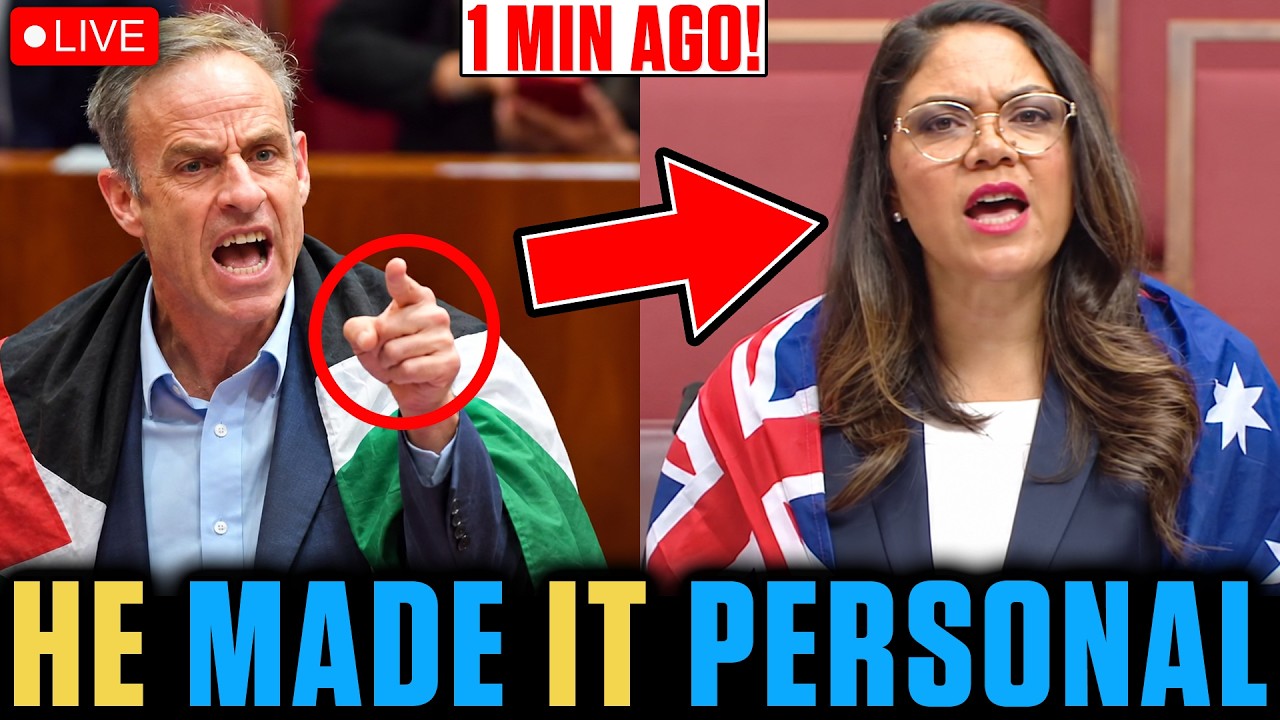
Public reactions on social media quickly reflected these divisions, with supporters praising Price for defending the national flag and critics backing McKim’s call for equal application of the rules.
What Happens Next in the Senate
The Senate leadership is expected to issue a formal ruling on the use of flags and symbolic clothing in the chamber.
That decision will set a crucial precedent for how senators utilize visual props during future debates and legislative sessions.
As geopolitical tensions continue to influence domestic political discourse, the Parliament faces ongoing pressure to balance free expression with strict adherence to neutral administrative rules.
How should parliamentary rules govern the use of national flags and political symbols during official legislative debates?