

Former Liberal MP Nicolle Flint Calls for Prime Minister Anthony Albanese’s Resignation Following Bondi Attack
The political fallout from the Bondi attack has intensified as former lawmaker Nicolle Flint demands Anthony Albanese step down, igniting a fierce national debate over government leadership, antisemitism, and community safety in Australia.
The political pressure on Prime Minister Anthony Albanese has reached a critical juncture following the Bondi attack, with former Liberal MP Nicolle Flint directly calling for his resignation. Flint’s sharp intervention injects a new level of friction into an already emotional national conversation concerning the federal government’s handling of public safety and rising antisemitism.
Her criticism moves far beyond standard parliamentary opposition rhetoric. Flint is portraying the Prime Minister’s leadership as fundamentally inadequate during a period when many Australians are demanding swift, uncompromising accountability.

What Happened in the Wake of the Bondi Tragedy
The immediate aftermath of the Bondi attack has forced a hard look at how federal authorities respond to threats targeting specific communities. Flint argued that the government failed to show sufficient resolve after members of the Australian Jewish community were targeted during Hanukkah.
According to Flint, the Prime Minister’s initial response leaned too heavily toward managing immediate political consequences rather than projecting decisive leadership. Her conclusion was direct: Albanese should leave office rather than simply weather the ongoing political storm.
The controversy highlights a deep frustration among critics who claim that earlier warnings from Jewish community leaders were met with slow or insufficient action. Representatives have repeatedly voiced concerns over growing insecurity, threats against institutions, and heightened risks at Jewish schools and synagogues across the country.
Why the Controversy Matters for Australian Politics
The debate extends far beyond the immediate security response to the Bondi attack. It strikes directly at the heart of political accountability and what constitutes effective leadership during moments of national crisis.
For the Albanese administration, the core challenge is proving that public confidence can be restored through concrete actions rather than procedural messaging. Critics argue that relying on task forces, special envoys, and public statements can feel symbolic rather than substantive when communities already feel vulnerable.
At the center of the dispute is a fundamental question facing the government: Should a prime minister be judged primarily by the measures announced after a crisis occurs, or by the preventive actions taken before a tragedy unfolds? Flint’s call for resignation personalizes this debate, turning a security failure into a test of political legitimacy.
Broader Context and Preceding Warnings
The current political storm does not exist in a vacuum. Over recent years, representatives of the Australian Jewish community have issued repeated warnings regarding rising hostility and security vulnerabilities.
Critics contend that these developments should have triggered much more aggressive preventive policies long before the Bondi tragedy shocked the nation. The Albanese government has defended its record by pointing to established task forces and formal measures designed to combat hatred and protect religious institutions.
However, opponents argue that these initiatives failed to address the root sources of escalating social tensions. This disagreement has reignited older criticisms regarding Albanese’s governing style.

Some political opponents claim the administration places too much emphasis on process, committees, and carefully managed public relations rather than delivering visible, immediate results on issues ranging from community safety to the cost of living.
Different Perspectives on Government Accountability
The political landscape remains deeply divided over how to interpret the government’s performance. Supporters of the Prime Minister emphasize that the administration has consistently condemned hatred, engaged directly with community groups, and established dedicated frameworks to tackle antisemitism.
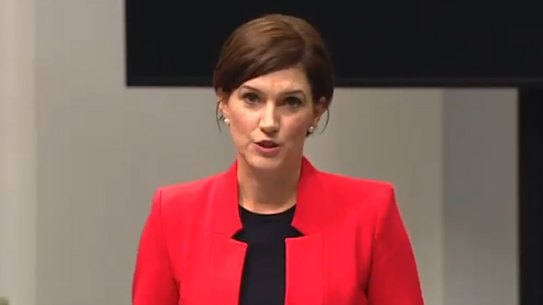
On the other side, figures like Flint argue that institutional responses have been too slow and reactive. They maintain that true leadership requires anticipating threats and acting decisively before they result in violence.
This division exposes competing definitions of responsibility in modern governance. While the government focuses on building long-term institutional frameworks, critics argue that vulnerable communities need immediate, tangible protection and uncompromised resolve from the nation’s highest office.
What Happens Next as Scrutiny Mounts
As the political fallout continues, Prime Minister Albanese faces a dual challenge: maintaining political credibility while delivering credible, long-term solutions to secure vulnerable communities.
Further statements of solidarity may reassure some, but critics and community representatives are demanding to know what specific measures will prevent similar threats from escalating in the future. The government must navigate the delicate balance of responding forcefully to antisemitism without inflaming wider societal divisions.
Whether Flint’s call for resignation gains broader political momentum remains to be seen. However, the intensity of the debate guarantees that the Prime Minister’s actions, policies, and leadership will remain under intense scrutiny as Australia grapples with the aftermath of the Bondi tragedy.
How do you think the federal government should balance long-term institutional strategies with immediate security demands to protect vulnerable communities?