
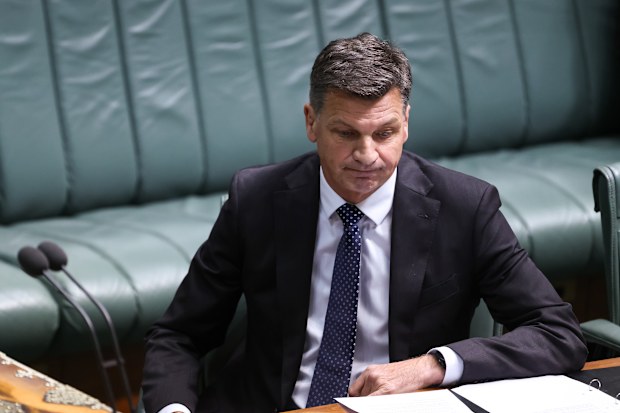
Angus Taylor pushes for tougher federal response to statue and memorial vandalism. u1

The Battle for the Stone and the Cloth: Inside Australia’s High-Stakes War Over National Memory
The Desecration Along the Western Highway
To understand the sudden political tempest in Canberra, one must first drive three hours west of Melbourne into the rolling agricultural flats of western Victoria.
In late July, in the historic railway town of Beaufort, locals awoke to find the town’s century-old war memorial defaced. The granite pillar, erected by a grieving community after the slaughter of the First World War, was streaked with red paint and sprayed with harsh political slogans: “Death to Australia,” “Death to the ADF,” “Land Back,” and “Blood on your hands”. The monument, which records the names of farmhands and shearers who never returned from Pozières and the Somme, was cordoned off with crime scene tape as the Returned and Services League (RSL) and local volunteers worked to scrub the porous stone clean without eroding the century-old masonry.
Weeks later, the vandalism struck again, just twenty miles further down the Western Highway in the quiet farming locality of Dobie, south-east of Ararat.

This time, the attack went beyond spray paint. Vandals targeted the two commemorative stones that form the Dobie Memorial Park. The bronze commemorative plaque bearing the names of local servicemen was forcibly pried from the rock face and stolen. The scarred boulder was painted with an Aboriginal flag and the words “Land Back,” while the concrete plinth was daubed in red: “Lest we forget the frontier wars”. Surrounding memorial trees, planted decades ago to shade remembrance ceremonies, were hacked and uprooted. Ararat Rural City Council Mayor Bob Sanders described the rural community as devastated. It was not merely property damage; it felt to the townspeople like a desecration of an open grave.
┌────────────────────────────────────────────────────────────────────────┐
│               VICTORIA'S SUMMER OF HERITAGE TARGETING                 │
├───────────────────┬────────────────────────────────────────────────────┤
│ Beaufort Memorial │ 100-year-old monument; sprayed with political      │
│ (Western Vic)     │ slogans, "Death to ADF", "Blood on your hands"     │
├───────────────────┼────────────────────────────────────────────────────┤
│ Dobie Memorial    │ Commemorative bronze plaque stolen; rock defaced;  │
│ (Ararat region)   │ native memorial vegetation deliberately uprooted   │
├───────────────────┼────────────────────────────────────────────────────┤
│ Flagstaff Gardens │ 155-year-old Pioneer Monument smashed and          │
│ (Melbourne CBD)   │ covered in extensive ideological graffiti          │
├───────────────────┼────────────────────────────────────────────────────┤
│ Kings Domain &    │ King George V statue decapitated; Queen Victoria   │
│ Civic Monuments   │ Memorial defaced; municipal repairs exceed $1M     │
└───────────────────┴────────────────────────────────────────────────────┘
The unrest was not confined to rural highway junctions. In metropolitan Melbourne, civic monuments have become routine targets for political protest and late-night destruction. Earlier in 2026, the 155-year-old Pioneer Monument in Flagstaff Gardens—a sandstone obelisk marking the pre-colonial settlement of Melbourne—was smashed and covered in anti-colonial slogans. In the Kings Domain, the bronze statue of King George V was decapitated and covered in red paint, an act of targeted iconoclasm requiring complex, five-figure specialist restoration.
The City of Melbourne announced that municipal repair and conservation costs for defaced monuments had surged past $1 million since 2024. Stonemasons, metallurgists, and heritage conservators were on rolling retainers merely to maintain public statuary. What had long simmered as an uncomfortable cultural friction had hardened into physical destruction.
The Canberra Counter-Offensive: The Taylor Doctrine
Against this background of defaced granite and stolen bronze, Federal Opposition Leader Angus Taylor took the podium in Canberra to announce a sweeping legislative counter-measure: the Coalition’s proposed Australian National Symbols and Heritage Protection Bill.
Taylor framed the bill not merely as an update to criminal codes, but as a moral line drawn across the nation’s historical landscape.
“Australians should not have to watch our flag being burned, century-old memorials being smashed, or the names of Australians who served our country being covered in political graffiti, only to be told this is just another form of protest,” Taylor stated. He described the burning of the national flag and the defacing of soldier memorials as “sacrilege”.
┌─────────────────────────────────────────────────────────────────────────┐
│        COALITION'S PROPOSED HERITAGE & SYMBOLS PROTECTION BILL          │
├───────────────────────┬─────────────────────────────────────────────────┤
│ War Memorials &       │ Creation of a federal criminal offence for      │
│ Heritage Sites        │ deliberate destruction; penalties up to 10 yrs  │
├───────────────────────┼─────────────────────────────────────────────────┤
│ Australian Flag       │ Federal offence for public burning/desecration  │
│ Protection            │ reckless to disorder/violence; up to 12 months  │
├───────────────────────┼─────────────────────────────────────────────────┤
│ Australia Day Date    │ Statutorily entrenching January 26; changes     │
│ Entrenchment          │ legally restricted without a national plebiscite│
└───────────────────────┴─────────────────────────────────────────────────┘
The Coalition’s legislative blueprint operates across three distinct fronts:
-
War Memorials and Significant Heritage: Creating a specific Commonwealth indictable offence targeting the deliberate destruction, defacement, or desecration of war memorials and designated national heritage assets, carrying maximum penalties of up to 10 years’ imprisonment.
-
Flag Protection: Establishing a federal criminal offence for serious public desecration of the Australian National Flag where the perpetrator acts recklessly regarding whether their conduct will incite hatred or violence, threaten public order, or trigger a public disturbance, punishable by up to 12 months’ imprisonment.
-
Australia Day Entrenchment: Formally embedding January 26 as Australia Day in Commonwealth legislation, stipulating that any future shift of the national date cannot be enacted by executive fiat or an ordinary parliamentary vote, but must require approval through a binding national plebiscite.
The Coalition’s rationale rests heavily on national consistency. While state criminal laws already prosecute property damage, criminal mischief, and theft, penalties differ between jurisdictions. A vandal attacking a cenotaph in regional Victoria answers to state magistrates under general summary offences; the Coalition argues that monuments representing sovereign military sacrifice belong to the Commonwealth’s collective identity and demand the shield of federal law.
The Legal and Parliamentary Landscape
The proposal does not enter an empty parliamentary chamber. The status of national symbols has been brewing across 2026 through competing private members’ bills:
-
In February 2026, National Party MP Pat Conaghan introduced the Flags Amendment (Protection of Australian National Flags) Bill 2026, seeking to amend the Flags Act 1953 to criminalize burning, destroying, or desecrating the Australian National Flag and the Australian Red Ensign, backed by fines of up to $16,500 or 12 months’ imprisonment.
-
Concurrently, Independent MP Rebekha Sharkie advanced the Criminal Code Amendment (Flag Protection) Bill 2026, proposing federal offences for intentionally or recklessly desecrating not only the National Flag, but also the Australian Aboriginal Flag and the Torres Strait Islander Flag.
Under current Australian law, the Flags Act 1953 establishes the formal composition and rules for flying the national flag, but it contains zero penal provisions for burning or destroying it. Protesters who incinerate flags at anti-war or Invasion Day rallies can generally only be charged under state laws for offensive behavior, lighting fires without a permit, or reckless endangerment if the flames threaten bystanders.
By elevating flag desecration and monument vandalism into the federal criminal sphere, Angus Taylor is setting up a direct confrontation with the Australian Constitution.
Unlike the United States, which protects expressive conduct under the First Amendment (as established in the landmark 1989 Supreme Court ruling Texas v. Johnson), Australia has no statutory or constitutional bill of rights. Instead, Australia operates under an implied freedom of political communication, recognized by the High Court of Australia in cases like Nationwide News and Lange v Australian Broadcasting Corporation.
The High Court has held that this freedom is not an individual right to free speech, but an indispensable structural limitation on legislative power: Parliament cannot pass laws that impermissibly burden political communication unless the measure is reasonably appropriate and adapted to serve a legitimate statutory purpose compatible with representative democracy.
Furthermore, the Coalition’s proposal breaks with historic conservative doctrine. When the issue of flag burning was brought before former Liberal Prime Minister John Howard in the early 2000s, Howard—an ardent defender of traditional Australian heritage—refused to outlaw the act. Howard’s reasoning was rooted in classical liberal philosophy: while he personally viewed flag burning as offensive, he insisted that in a free society, citizens must retain the right to express political dissent without being sent to prison.
Taylor’s proposed 12-month jail sentence for flag burning and 10-year sentences for memorial destruction mark an ideological departure from Howard’s consensus, moving Australian conservatism toward a more punitive framework of national identity protection.
2. Professional Analysis & Personal Perspective
My Professional Perspective
I have spent thirty years reporting from the fractured margins of modern democracies. I have covered the bitter disputes over Confederate statuary in the American South, the defacing of imperial monuments across post-industrial Britain, and the volatile memory wars of Northern Ireland, where a curbstone painted in the wrong color can ignite a street riot.
When an experienced investigative analyst looks at the Australian National Symbols and Heritage Protection Bill, they do not see a simple anti-vandalism statute.
Vandalism is a property crime. Property crimes are investigated by local police sergeants and resolved by suburban magistrates under state criminal laws that have existed for more than a century.
What Angus Taylor has introduced is something far more complex: a triple-barreled culture-war omnibus designed to achieve two distinct goals—one legal, one ruthlessly political.
To understand the deeper currents driving this legislation, we must peel back the political rhetoric and examine the mechanisms that everyday news analysis ignores.
THE ANATOMY OF A LEGISLATIVE WEDGE: THREE UNRELATED BATTLES

                     ┌──────────────────────────────────────────────┐
                     │ THE COALITION HERITAGE & SYMBOLS BILL        │
                     └──────────────────────┬───────────────────────┘
                                            │
        ┌───────────────────────────────────┼───────────────────────────────────┐
        │                                   │                                   │
        ▼                                   ▼                                   ▼
┌───────────────────────────┐   ┌───────────────────────────┐   ┌───────────────────────────┐
│     WAR MEMORIALS         │   │      FLAG BURNING         │   │    AUSTRALIA DAY DATE     │
├───────────────────────────┤   ├───────────────────────────┤   ├───────────────────────────┤
│ High bipartisan consensus │   │ High constitutional risk  │   │ Pure electoral wedge      │
│ Concrete property damage  │   │ Symbolic political action │   │ Procedural entrenchment   │
│ Communal grief & trauma   │   │ Free speech boundary line │   │ Blocks cultural change    │
└───────────────────────────┘   └───────────────────────────┘   └───────────────────────────┘
1. The Bundle: The Architecture of the Political Trap
Notice how the Coalition has constructed this bill.
If Angus Taylor had introduced a standalone, surgical bill aimed exclusively at protecting war memorials—offering federal grants for surveillance in rural cemeteries, funding heritage masonry repair, and establishing dedicated penalties for desecrating soldier cenotaphs—the Labor government would have been forced to vote for it within forty-eight hours. The Australian electorate holds its war memorials in near-sacred regard; opposing such a measure would be political suicide in every regional and suburban electorate in the country.
Instead, the Coalition deliberately tied war memorial protection to two of the most polarizing cultural issues in modern Australian life: criminalizing flag burning and locking January 26 into law via a mandatory national plebiscite.
This is a classic legislative wedge.
By bundling war memorials with the flag and Australia Day, the Coalition places Prime Minister Anthony Albanese and the Labor Party into an impossible strategic corner:
-
If Labor votes for the bill, they accept the criminalization of flag burning and legally cement January 26, alienating their progressive base and their left flank, which is already under intense pressure from the Greens.
-
If Labor votes against the bill—or moves to split it to strip out the flag and plebiscite provisions—the Coalition can instantly run political ads across the country claiming that Labor voted against protecting fallen diggers and stood with the vandals who defaced the Beaufort memorial.
It is not designed to pass cleanly into the statute books; it is designed to force a confrontation on national identity ahead of an upcoming federal election.
2. The Bronze vs. The Bone: Australia’s Secular Civic Religion
To understand why this issue generates such visceral rage, you have to appreciate the unique psychological status of the war memorial in Australian life.
In Europe, the dead of the World Wars are buried in the ground beneath their descendants’ feet. In France, Belgium, and Britain, you can walk into churchyards or visit vast Commonwealth War Graves Commission cemeteries where rows of Portland stone mark the physical remains of the fallen.
Australia has no such geography.
During the First World War, the British Empire adopted a strict policy: no bodies would be repatriated. Every Australian soldier who died at Gallipoli, in the trenches of the Western Front, or in the deserts of Palestine was buried where they fell, twelve thousand miles away from their families.
Because working-class families in places like Dobie and Beaufort could never afford a passenger liner ticket to visit the graves of their sons and brothers, the local town memorial became the surrogate headstone.
WHY WAR MEMORIALS CARRY UNIQUE SACRED WEIGHT IN AUSTRALIA

  EUROPEAN REALITY: PHYSICAL BONES          AUSTRALIAN REALITY: SURROGATE STONES
┌──────────────────────────────────────┐  ┌──────────────────────────────────────┐
│ Dead buried in local cemeteries or   │  │ No repatriation of WWI fallen;       │
│ battlefield cemeteries nearby.       │  │ buried 12,000 miles away in France,  │
│ Churchyards hold original remains.   │  │ Belgium, Turkey, or North Africa.    │
├──────────────────────────────────────┤  ├──────────────────────────────────────┤
│ Memorial is a civic reminder.        │  │ Memorial IS the actual gravestone    │
│ Family could visit the real grave.   │  │ for rural families who had no body.  │
└──────────────────────────────────────┘  └──────────────────────────────────────┘
*Result: Defacing an Australian war memorial is experienced by local communities
 not as political critique, but as the desecration of an ancestral family grave.
When someone sprays red paint across a regional Australian cenotaph, local residents do not see a challenge to the geopolitical policies of the Australian Defence Force. They see an assault on the only tangible resting place of their eighteen-year-old great-uncles.
The activists who targeted Dobie and Beaufort, spray-painting “Death to the ADF” and stealing plaques, committed a catastrophic strategic error. Rather than forcing a national reckoning over the Frontier Wars or Indigenous dispossession, they crossed an emotional boundary line. They unified middle Australia behind the very conservative political forces they sought to challenge, providing Angus Taylor with the exact moral justification he needed to launch this federal crackdown.
3. The Constitutional Vulnerability: The Ghost of the Lange Test
While the politics of the bill are potent, its legal foundations face serious hurdles in the High Court of Australia.
The flag-burning provision is especially vulnerable. When the Coalition drafted the clause to target desecration that is “reckless as to whether their actions will incite hatred or violence, or threaten public order or cause a public disturbance,” they deliberately attempted to navigate the High Court’s implied freedom jurisprudence. They are trying to argue that the law does not ban political speech, but rather prevents public disorder and violence.
Yet the High Court has consistently struck down speech restrictions that use broad, discretionary thresholds.
Consider the two-part test established in Lange and refined in McCloy v New South Wales:
-
Does the law effectively burden freedom of communication about government or political matters? The answer is unequivocally yes. Burning a flag at a demonstration is non-verbal, expressive political conduct aimed squarely at the state.
-
Is the law reasonably appropriate and adapted to serve a legitimate purpose in a manner compatible with the maintenance of the constitutionally prescribed system of representative government?
This is where the law risks unraveling.
If the state’s legitimate purpose is preventing fires, fire-safety laws already exist. If the purpose is preventing riots or violence, public order and breach-of-the-peace offences already exist. Why is a specific, severe federal penalty of 12 months’ jail needed specifically when cloth bearing the Southern Cross is burned?
The High Court would have to ask whether the true purpose of the law is not public safety, but the criminalization of a deeply unpopular, offensive political viewpoint. The moment a court concludes that the Commonwealth is punishing the message rather than the combustion, the statute is in serious constitutional jeopardy.
                 THE HIGH COURT CONSTITUTIONAL GAUNTLET

    ┌────────────────────────────────────────────────────────┐
    │     PROPOSED FEDERAL BAN ON PUBLIC FLAG DESECRATION    │
    └───────────────────────────┬────────────────────────────┘
                                │
                                ▼
    ┌────────────────────────────────────────────────────────┐
    │     STEP 1: DOES IT BURDEN POLITICAL COMMUNICATION?    │
    │   • Yes. Flag burning is internationally recognized    │
    │     expressive conduct aimed directly at the state.    │
    └───────────────────────────┬────────────────────────────┘
                                │
                                ▼
    ┌────────────────────────────────────────────────────────┐
    │   STEP 2: IS IT "REASONABLY APPROPRIATE AND ADAPTED"?  │
    │   • Fire safety and public order laws already exist.   │
    │   • Does it punish the physical hazard, or the dissent?│
    │   • Severe risk of invalidation under the Lange test.  │
    └────────────────────────────────────────────────────────┘
4. The One Nation Shadow
One cannot understand Angus Taylor’s timing without looking over his right shoulder.
Following One Nation’s historic lower-house breakthrough in the Western Australian by-election of Secret Harbour, where Pauline Hanson’s movement captured an 18.6 percent swing, panic has gripped the Coalition’s party room. The Liberal Party polled an embarrassing 17.3 percent in that contest, relegated to third place while working-class, mortgage-belt voters defected en masse to the populist right.
One Nation’s core platform has long demanded the mandatory criminalization of flag desecration and an end to debates over changing Australia Day.
By stepping forward with this federal bill, Taylor is attempting to cut off One Nation’s political runway. He is signaling to conservative, working-class, and outer-suburban voters that the mainstream Coalition has not abandoned the cultural trenches. It is an aggressive attempt to reclaim ownership of the national identity debate before Hanson and Barnaby Joyce can turn it into a permanent electoral beachhead.
5. The Critical Unanswered Questions
As the debate moves toward formal second-reading speeches, the operational gaps in this policy demand serious scrutiny:
-
What defines a “nationally significant” memorial? Will the Commonwealth establish an exhaustive statutory register? If a colonial statue of an explorer who committed frontier atrocities is targeted in a suburban park, does that attract the 10-year federal penalty, or is the law reserved solely for military cenotaphs?
-
How does Canberra propose to protect unmonitored sites? Most of Australia’s thousands of war memorials are located in unlit, unfenced public reserves in towns with small or non-existent local police detachments. Does a 10-year prison sentence deter a masked vandal operating at 3:00 a.m. in a town of 400 people? Without funding for CCTV infrastructure, lighting, and rapid restoration, higher statutory penalties do little to protect physical stone.
-
Why exclude the First Nations flags? Rebekha Sharkie’s bill explicitly extended protection to the Australian Aboriginal Flag and the Torres Strait Islander Flag. By focusing strictly on the Australian National Flag and the Red Ensign, the Coalition risks reinforcing the very cultural division that anti-monument activists exploit.
The conflict unfolding across Australia’s parklands and parliamentary chambers is not an argument about stone, bronze, or nylon.
It is a contest over the national soul.
Every nation requires sacred symbols—points of shared sacrifice and common reference that sit above the partisan fray. In Australia, local war memorials have served as those sacred anchors for over a century, standing in quiet public reserves as testaments to ordinary citizens who paid the ultimate price for their communities. When those memorials are attacked, the collective shock is genuine, justified, and deep.
Yet a mature, confident democracy does not demonstrate its strength by threatening its own citizens with ten years in prison or locking its calendar behind mandatory plebiscites.
True national resilience is not forged through coercive legislation. It is forged through the messy, painful, and necessary work of reconciliation—by acknowledging the unresolved truths of the Frontier Wars while preserving the memorials of those who fought on foreign shores. It is forged by maintaining a society so free, so fair, and so confident in its democratic institutions that the burning of its flag exposes only the frustration of the burner, not the weakness of the nation.
As the Australian National Symbols and Heritage Protection Bill begins its march through Parliament, Australians must confront a profound civic reality:
Can a nation protect its history by legislating reverence, or does the criminalization of dissent merely reveal a society that has grown terrified of its own shadow?