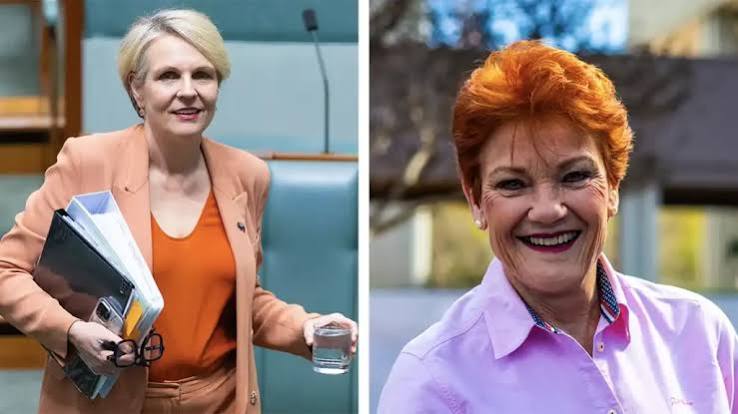
Tanya Plibersek delivers her verdict after Labor’s bruising Secret Harbour result. u1

The Quarantine Strategy: Tanya Plibersek, Secret Harbour, and the Anatomy of Political Denial
The Sunday Morning Ritual
The lights inside the Australian Broadcasting Corporation’s studio are calibrated to eliminate shadows. On Sunday morning, as the broadcast cameras of Insiders hummed to life, the ritual was instantly recognizable to anyone who has tracked the choreography of Westminster politics across the decades.
It is the ritual of the quarantine.
When a political disaster strikes an incumbent government on a Saturday night, Sunday morning is reserved for containment. The party leadership does not deploy a novice backbencher or an excitable factional warrior to face the nation. They dispatch their most formidable, Teflon-coated communicator—someone whose voice carries institutional weight, whose delivery is unflappable, and whose primary assignment is to build a rhetorical firebreak between an electoral explosion and the office of the Prime Minister.
That morning, the assignment fell to Tanya Plibersek.
As one of the most durable figures in federal Labor history—a senior cabinet minister, former deputy leader, and veteran of more than a quarter-century of parliamentary combat—Plibersek sat opposite host David Speers. Behind her lay the smoldering ruins of the Western Australian state by-election in Secret Harbour, where Pauline Hanson’s One Nation had just pulled off an earth-shattering triumph, securing its first lower-house seat in Western Australia and wiping out Labor’s once-unassailable margin with a savage 18.6 percentage-point swing.
The mandate from Canberra was transparent: convince the country that what had just occurred on the coast south of Perth was nothing more than a localized squall—a purely state affair, born of local grievances, utterly disconnected from the federal administration of Anthony Albanese.
┌────────────────────────────────────────────────────────────────────────┐
│             THE SECRET HARBOUR AFTERMATH: THE LABOR POSITION           │
├───────────────────────┬────────────────────────────────────────────────┤
│ Primary Spokesperson  │ Tanya Plibersek (Senior Federal Cabinet Min.)  │
│ Broadcast Platform    │ ABC's Insiders (Sunday Morning National Debut) │
│ Strategic Objective   │ Decouple federal Labor & PM from the defeat    │
│ Official Thesis       │ "A state election run on state issues"         │
│ Acknowledged Factors  │ Household economic pain, communication gaps    │
│ Prescribed Solution   │ "Better communicate" federal delivery & policy │
└───────────────────────┴────────────────────────────────────────────────┘
The State Defense
When Speers pressed Plibersek on the magnitude of the defeat—and specifically whether Prime Minister Anthony Albanese’s sliding personal standing and perceived inertia on the cost of living were poisoning Labor’s electoral prospects—Plibersek did not flinch. She went straight to the script of structural isolation.
“Oh, this is a state election run on state issues, and I think they’re the predominant issues,” Plibersek insisted, seeking to draw a firm, impervious border around the result.
The argument was designed to deflect attention toward Perth. The Cook Labor government, she implied, was navigating its own midterm frictions, local infrastructure pressures, and the difficult transition following the departure of wildly popular former premier Mark McGowan. The by-election itself had been triggered by the sudden retirement of long-serving local MP and senior state minister Paul Papalia. Under this framing, the voters of Secret Harbour were merely venting frustration at their local state apparatus, not delivering an indictment of the Commonwealth government sitting in Canberra.
Yet even as she attempted to enforce that geographic boundary, Plibersek was forced to make a significant concession. The anger was real, she admitted, and the government could not simply look away.
Labor, she acknowledged, would need to “have a good look” at the tally sheets and learn the hard lessons embedded in the ballot boxes. Many Australians, she conceded, were living under intense, grinding financial pressure.
To demonstrate that the government was listening, Plibersek methodically walked through the federal administration’s policy achievements:
-
The major restructuring of the Stage 3 tax cuts to benefit low- and middle-income earners.
-
Massive federal capital injections into Medicare, including expanded bulk-billing incentives and urgent-care clinics.
-
Direct intervention in industrial relations tribunals to deliver statutory wage growth for low-paid workers.
-
Major federal investments in social and affordable housing pipelines.
These measures, Plibersek argued, were structural, tangible interventions designed to make a measurable difference to household budgets. The fundamental problem, she suggested, was not the substance of the policy, but the transmission of the message: Labor needed to examine how it could “better communicate” its achievements and delivery to a fatigued, skeptical public.
The National Tremor
Plibersek’s measured performance came amid an escalating national debate that her talking points could not quiet.
Across the continent, political strategists, pollsters, and party backbenchers were drawing a radically different conclusion from Secret Harbour. The campaign had not been run like an obscure municipal contest over council zoning or bus timetables. It had been saturated with national media coverage, heavily bankrolled by One Nation’s federal machine, and championed by high-profile party figures—including Pauline Hanson and recent high-stakes convert Barnaby Joyce—who explicitly framed the by-election as an opportunity to send an unmistakable warning shot directly into Anthony Albanese’s office.
One Nation’s candidate, local gym owner Luke Herdegen, had tapped into a wellspring of working-class and mortgage-belt fury. When the ballots were counted, Herdegen had not merely squeezed past the finish line on messy preferences; he had claimed 39.1 percent of the primary vote, while the Liberal Party collapsed into third place and Labor suffered an historic 18.6 percent two-party-preferred collapse.
As Labor figures across the country scrambled to make sense of the carnage, the contrast between the party’s official public posture and its internal anxiety was stark. Publicly, Plibersek was telling the nation that Secret Harbour was a local tremor. Privately, Labor MPs in outer-suburban mortgage belts from Western Sydney to the outskirts of Brisbane and Melbourne were looking at the raw numbers and wondering if the ground beneath their own feet was beginning to give way.
2. Professional Analysis & Personal Perspective
My Professional Perspective
I have spent thirty years covering the rituals of statecraft and political survival. Over three decades of watching governments collapse, reinvent themselves, and sleepwalk into generational disasters, you learn to pay special attention to the language of political triage.
When an experienced minister sits in a national television studio and tells the public that an 18.6 percent swing in a working-class heartland was “run on state issues,” and that the primary remedy is to “better communicate” existing policies, an investigative journalist does not just take notes.
You recognize the classic, unmistakable symptom of institutional denial.
What Tanya Plibersek presented on Insiders was a masterclass in political quarantine. But beneath the calm, measured cadence of her delivery lies a profound crisis of relevance that modern center-left parties across the Western world are failing to navigate.
To understand what actually took place in Secret Harbour—and why Canberra’s dismissal of it is so dangerous—we have to dismantle the comfortable fictions that mainstream political coverage consistently leaves unchallenged.
THE ANATOMY OF A POLITICAL "FIREBREAK"

  THE CRISIS                      THE QUARANTINE SCRIPT          THE REALITY
┌─────────────────────────┐       ┌─────────────────────────┐    ┌─────────────────────────┐
│ Secret Harbour falls    │       │ "It's a state contest   │    │ Inflation, rate hikes,  │
│ to One Nation with an   │ ────► │ decided strictly on     │ ─► │ and mortgage stress are │
│ 18.6% swing against     │       │ local state issues."    │    │ federal & systemic.     │
│ incumbent Labor.        │       └─────────────────────────┘    └─────────────────────────┘
└─────────────────────────┘                    │
                                               ▼
                                  ┌─────────────────────────┐    ┌─────────────────────────┐
                                  │ "The problem is how we  │    │ Voters understood the   │
                                  │ communicate our delivery│ ─► │ policy; they found it   │
                                  │ to the electorate."     │    │ utterly inadequate.     │
                                  └─────────────────────────┘    └─────────────────────────┘
1. The Arrogance of the “Communication” Excuse
There is no phrase in the lexicon of modern political spin more patronizing, or more thoroughly divorced from reality, than the claim that a government simply needs to “better communicate” with voters.
Consider what that diagnosis actually implies. When Plibersek suggests that Labor’s failure in Secret Harbour was a failure of communication, the implicit premise is that the government’s policies are inherently sound, benevolent, and effective, but the voters of Secret Harbour were simply too distracted, too misinformed, or too intellectually sluggish to appreciate them.
This is the quintessential blind spot of the ministerial class.
The working families living in the double-brick subdivisions of Secret Harbour did not vote for One Nation because they lacked broadband access to read the Department of Finance’s press releases. They did not reject Labor because they failed to understand how the restructured Stage 3 tax brackets operate on a weekly withholding schedule.
They rejected Labor because they understood their own bank accounts with absolute, excruciating clarity:
-
They knew that thirteen interest rate hikes by the Reserve Bank had sucked between $1,200 and $1,800 a month out of their family budgets.
-
They knew that every trip to the supermarket checkout cost 30 to 40 percent more than it did three years ago.
-
They knew that their real wages, despite statutory increases, had been gutted by cumulative inflation.
When a family is drowning in debt, tossing them a $300 energy bill rebate and telling them it represents generational economic delivery is not relief; it feels like an administrative insult. By framing the voter rebellion as a communication defect, the government shields itself from confronting the terrifying truth: the voters understood the policy perfectly well, and they concluded it was nowhere near enough.
2. The Western Australia Delusion: The Myth of the Sovereign Border
The second pillar of Plibersek’s defense—that Secret Harbour was a state event disconnected from federal politics—collapses under the slightest forensic scrutiny.
In Australian political mythology, Western Australia is frequently caricatured as an exotic, semi-detached realm: a distant resource province governed by its own eccentric rules, hyper-sensitive about its share of the Goods and Services Tax (GST), and fiercely parochial. Federal politicians love to hide behind this myth whenever a bad poll comes out of the West, dismissing it as “WA being WA.”
That analysis is twenty years out of date.
The suburban fringe of Perth is not an isolated outpost; it is the purest macroeconomic laboratory in the nation.
The demographic composition of Secret Harbour—young tradespeople, FIFO resource workers, dual-income families with heavy mortgages, high vehicle dependency, and severe exposure to interest rates—mirrors the exact demographic profile of the outer-rim suburbs that decide national elections:
┌────────────────────────────────────────────────────────────────────────┐
│               THE DEMOGRAPHIC MIRROR: OUTER-SUBURBAN PERIMETERS        │
├──────────────────────┬─────────────────────────────────────────────────┤
│ Secret Harbour (WA)  │ FIFO miners, trades, heavy mortgage leverage    │
│ Lindsay / Macarthur  │ Western Sydney tradies, dual-income commuters   │
│ McEwen / Casey       │ Melbourne outer-growth corridors, rate exposed  │
│ Longman / Dickson    │ Moreton Bay / Brisbane exurbs, high living-cost │
└──────────────────────┴─────────────────────────────────────────────────┘
*Conclusion: A voter revolt in Secret Harbour is an early-warning signal
 for mortgage-belt seats across all four major Australian mainland states.
When interest rates rise and energy costs spike, the shock hits these outer corridors first and hardest. Unlike affluent inner-city suburbs where residents have accumulated equity and discretionary buffers, families on the metropolitan perimeter live on razor-thin margins.
To claim that these voters entered the polling booth on Saturday thinking exclusively about state hospital management or local bus routes, while completely ignoring the federal government that manages national fiscal policy, taxation, and the broader economy, is a fantasy. Secret Harbour was not a localized protest; it was an early tremor along a national fault line.
3. The Unspoken Crisis of Anthony Albanese’s Brand
Notice the question David Speers asked that Plibersek was most desperate to evade: Is Anthony Albanese’s standing damaging the party?
This is the question that keeps Labor’s campaign directors awake at night. In 2022, Albanese was marketed to the Australian electorate as the safe, pragmatic antidote to the exhausting theater of Scott Morrison. He was the kid from Camperdown council housing who understood working-class struggle, who would govern with quiet competence, avoid culture wars, and restore steady hands to the wheel.
Four years later, that understated brand has calcified into something far more dangerous: the perception of paralysis.
To voters living under the pressure cooker of modern inflation, Albanese’s steady-as-she-goes pragmatism does not look like competence; it looks like timid managerialism. When people feel their standard of living is slipping backward at the fastest rate in forty years, they do not want an administrator who speaks in the cautious, risk-averse dialect of the Canberra press gallery. They want an advocate who projects fierce urgency, who is willing to disrupt institutional inertia, and who looks ready to tear down bureaucratic barriers to protect them.
Instead, they see a Prime Minister who appears captive to process, cautious to a fault, and seemingly terrified of offending the economic establishment.
When a governing leader fails to project emotional urgency during a crisis, voters do not politely wait for the next scheduled general election. They look for someone who sounds as angry as they feel. And in Secret Harbour, that someone was not Anthony Albanese or his endorsed candidate; it was Pauline Hanson and Luke Herdegen.
4. The Two-Party System’s Terminal Leak
There is an even deeper, structural reality that neither Plibersek nor the conventional commentary has been willing to confront: the permanent decay of the two-party preferred system.
For half a century, the basic mechanics of Australian electoral politics were binary. If an electorate grew frustrated with an incumbent Labor administration, the pendulum naturally swung to the Liberal-National Coalition. The two major parties operated like a commercial duopoly, comfortably sharing power, knowing that even if one fell out of favor, the customer had nowhere else to shop.
Look at what happened to that duopoly in Secret Harbour:
                 THE COLLAPSE OF THE TWO-PARTY DUOPOLY

    ┌────────────────────────────────────────────────────────┐
    │              INCUMBENT LABOR UNDER SIEGE               │
    │   • Suffers 18.6% swing; primary vote crashes to 24.4%  │
    └───────────────────────────┬────────────────────────────┘
                                │
                                ▼
    ┌────────────────────────────────────────────────────────┐
    │            THE TRADITIONAL OPPOSITION FAILS            │
    │   • Liberal Party fails to capture the protest vote    │
    │   • Polled an embarrassing 17.3%, relegated to 3rd     │
    └───────────────────────────┬────────────────────────────┘
                                │
                                ▼
    ┌────────────────────────────────────────────────────────┐
    │             THE INSURGENT POPULIST BREACH              │
    │   • One Nation storms to 39.1% primary, 57% 2PP        │
    │   • Captures maiden WA lower-house seat outright       │
    └────────────────────────────────────────────────────────┘
The Liberal Party could not even crack 18 percent of the vote.
In a seat where Labor was collapsing in real time, the official alternative government was effectively invisible. The anti-Labor vote did not pivot to the Center-Right establishment; it bolted completely out of the traditional political arena.
This is the nightmare scenario for the Australian political class. It mirrors the exact dynamic that has hollowed out mainstream parties across Europe and North America. When voters conclude that both major parties are merely two wings of the same professional managerial elite—sharing the same donors, speaking the same focus-grouped jargon, and offering the same timid managerial solutions—the entire two-party apparatus loses its legitimacy.
One Nation is no longer functioning merely as a regional protest vehicle or an unpredictable senate nuisance. With Barnaby Joyce serving as an experienced national bullhorn, with substantial financial backing, and with local outsider candidates like Herdegen, the party is methodically building a multi-state lower-house bridgehead. They are stepping directly into the vacuum left by a paralyzed Labor Party and an irrelevant, rudderless Liberal opposition.
5. The Critical Unanswered Questions
As the Sunday morning panels pack up their clipboards and move on to the next daily controversy, several critical investigative questions remain unanswered:
-
What do Labor’s private tracking numbers say about the national mortgage belt? If an 11.5 percent safety margin in Secret Harbour can be wiped out overnight, how many nominally “safe” federal Labor seats sitting on margins of 5, 7, or 9 percent across suburban Australia are now within the blast radius of a populist surge?
-
What is the breaking point for the Coalition? How long can the federal Liberal Party watch One Nation cannibalize its conservative base while it remains trapped in third place, before senior figures begin openly demanding formal preference deals, non-compete pacts, or a complete ideological realignment with Hanson and Joyce?
-
Can a technocratic party ever regain emotional fluency? Does the current leadership of the Australian Labor Party possess the institutional capacity to stop lecturing voters about “policy delivery” and start speaking with authentic, unvarnished empathy to families who feel abandoned by the modern economy?
Tanya Plibersek did her job on Sunday morning. She was poised, disciplined, and unyielding. She delivered her talking points with the polished professionalism that has made her one of the most effective media performers of her political generation.
Yet as the studio lights faded and the transmission ended, her words felt like a fragile paper screen thrown up against an approaching category-five storm.
The message from Secret Harbour was not an argument over administrative communications. It was not a polite invitation for the government to issue more pamphlets explaining the nuances of Medicare urgent-care clinics or tax-withholding tables.
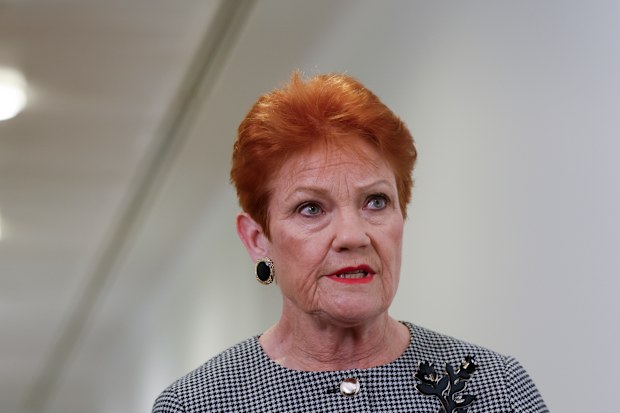
It was an act of raw, visceral political insurrection.
It was the sound of ordinary working Australians—the people who build the houses, drive the trucks, work the mine shifts, and balance the household ledgers—standing up and declaring that the political settlement of the last thirty years is no longer working for them. They are tired of being told by comfortable politicians in capital cities that their pain is being managed, that relief is on the way, and that their discontent is simply a misunderstanding of government policy.
When a government responds to an historic electoral defeat by telling the country that everything is under control and that the public just needs to listen more carefully to ministerial explanations, it is not demonstrating strength.
It is demonstrating that it has run out of answers.
The firebreak that Tanya Plibersek attempted to build on Sunday morning may hold inside the air-conditioned corridors of Parliament House. But out in the sprawling, windswept suburbs of Australia’s mortgage belt, the embers are already blowing past the fence line.
When a government insists that its policies are working but the people insist their lives are falling apart, who is truly failing the test of leadership—the citizens who cast a vote of defiance, or the leaders who refuse to admit why they did it?