
1.
On the morning of October 14, a small Texas household began the day like many others. Three-year-old Dawson Cain Zamora was awake, alive, and in the care of the adults who were supposed to protect him. By the end of that day, Dawson would be fighting for his life in a hospital bed, the victim of injuries so severe that doctors would soon determine his brain could no longer function. What followed was a heartbreaking chain of revelations that exposed prolonged harm, failed protection, and a child who never stood a chance.
2.
Dawson lived with his mother, 30-year-old Chelsea Rene Berg. That morning, around 7:20 a.m., Berg left for work, leaving Dawson behind with her boyfriend, 30-year-old Christopher Thomas Alexander. Alexander was not a new presence in Dawson’s life. He had been around long enough for concerns to be raised, warnings to be voiced, and evidence to quietly accumulate—evidence that would later become central to a criminal case.
3.
According to records, Alexander was already under court supervision at the time. He was wearing a GPS ankle monitor related to prior charges, a fact that would later stand out sharply in the investigation. Despite this, Dawson was left alone with him. There was no indication that Berg arranged for alternative childcare or supervision that day.
4.
Around lunchtime, Berg received a text message from Alexander stating that Dawson was eating. It was an ordinary message, one that gave no hint of the catastrophic events that had already occurred or were about to occur. Shortly after, that calm was shattered by a frantic phone call. Alexander told Berg he was rushing Dawson to the hospital.
5.
When Alexander arrived at a McKinney-area hospital with Dawson later that day, he told medical staff that he had heard a “thud” from another room and found the child injured. According to him, Dawson had fallen. Almost immediately, doctors recognized that the explanation did not match what they were seeing. Dawson’s injuries were extensive, severe, and inconsistent with a simple accident.
6.
Medical professionals documented catastrophic brain trauma, including bleeding on the brain. They also observed bruises across Dawson’s body in various stages of healing—evidence suggesting repeated harm over time, not a single incident. Additional injuries to his chest and abdomen were noted, further contradicting Alexander’s account.
7.
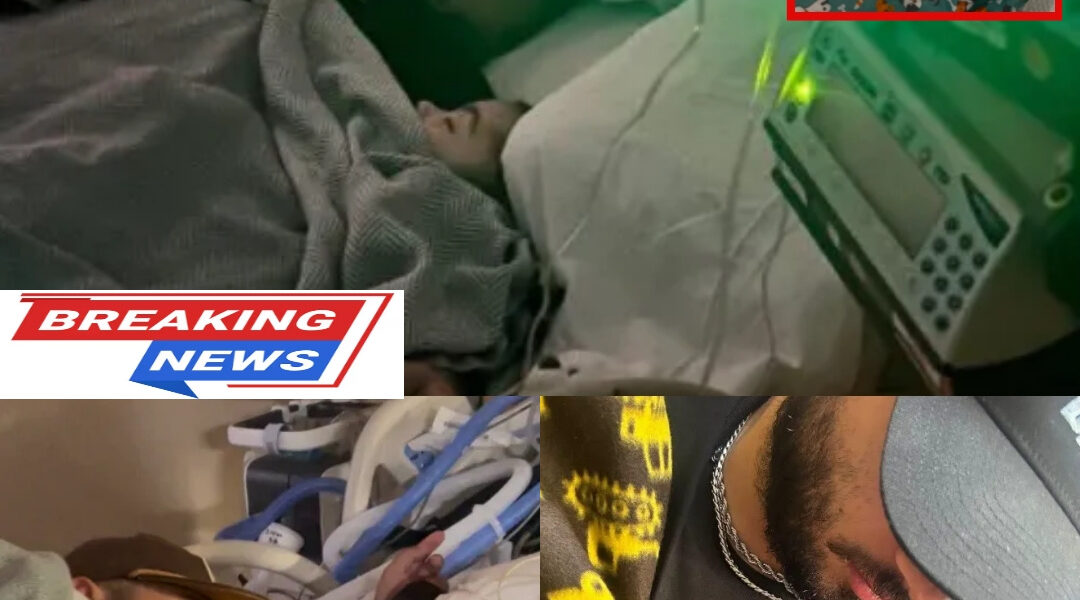
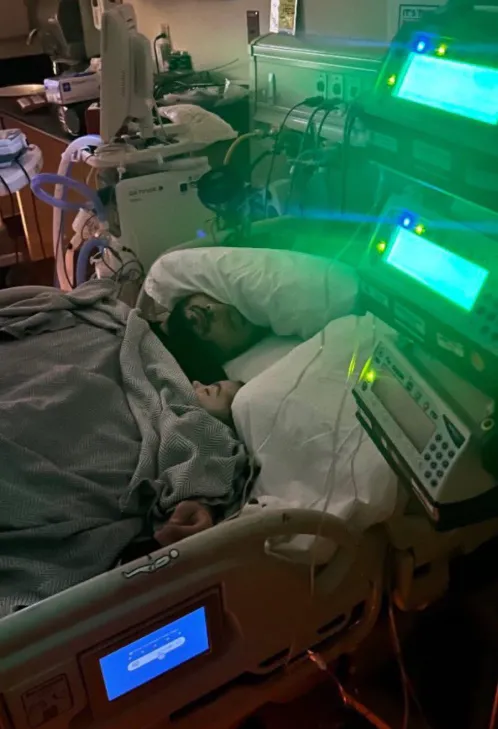
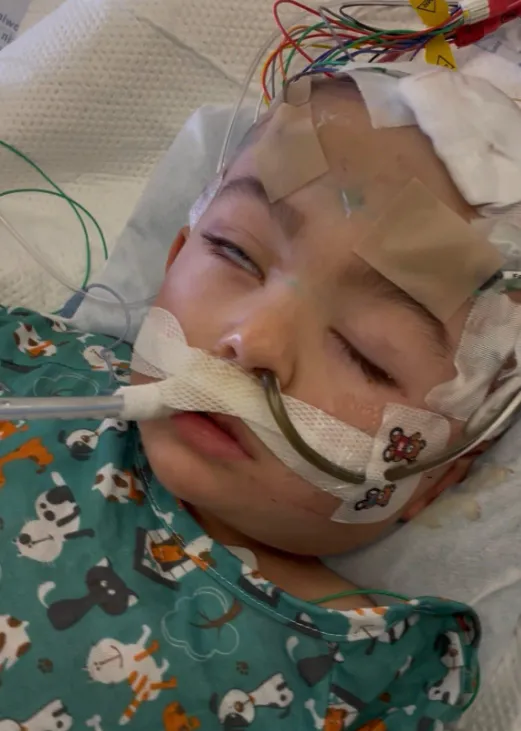
Hospital staff contacted law enforcement without delay. As officers attempted to question Alexander, he refused to speak and immediately retained an attorney. His silence, paired with the medical findings, raised serious concern among investigators. Dawson was placed on life support as doctors worked to stabilize him, though the prognosis was grim.
8.
Detectives then interviewed Chelsea Berg. She told them that Dawson had no visible injuries when she left for work that morning. Photographs taken earlier that day supported her statement. Investigators were now faced with a narrow window of time during which Dawson’s injuries could have occurred—while he was alone with Alexander.
9.
Later on October 14, authorities issued a warrant for Alexander’s arrest. Two days later, on October 16, both Alexander and Berg were taken into custody. Alexander was charged with injury to a child, stalking, and tampering with evidence with intent to impair an investigation. Berg was charged with injury to a child, a first-degree felony.
10.
Berg posted a $100,000 bond and was released the same day, under strict conditions that prohibited any contact with Dawson. As Dawson remained on life support, investigators continued reviewing evidence—particularly text messages between Berg and Alexander that would soon reshape the case entirely.
11.
Those messages painted a devastating picture. In multiple texts sent weeks before Dawson’s injuries, Berg accused Alexander of harming her son. One message dated September 8 stated that Dawson had bruises on his face and jaw and described Alexander as “dangerous.” Another message dated September 18 was even more explicit, stating that Dawson had been hurt every single time Alexander was alone with him.
12.
Despite these messages, Berg continued the relationship and continued leaving Dawson alone with Alexander. Prosecutors would later argue that this knowledge—and her failure to act—played a critical role in what ultimately happened to her child.
13.
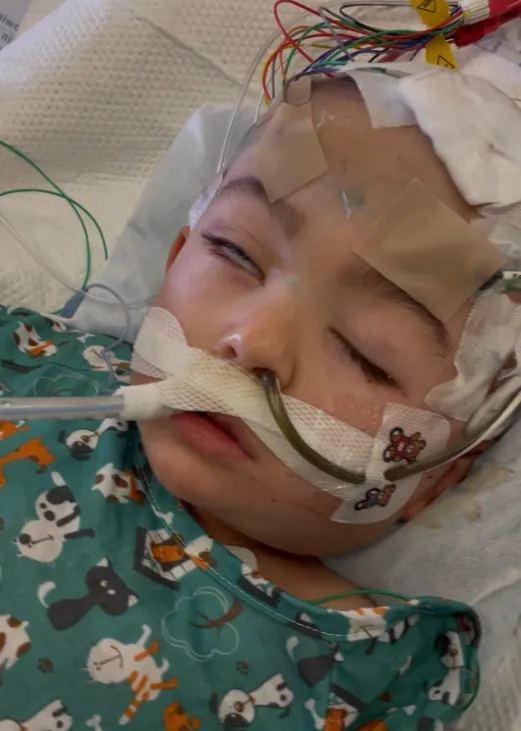
On October 19, Berg was informed that Dawson had no detectable brain activity and was expected to be removed from life support. Her attorney filed an emergency motion asking the court to allow her supervised access to Dawson so she could say goodbye. The request was granted.
14.
However, Dawson’s father, Dahrian Zamora, shared joint legal custody. Under the law, life support could not be withdrawn without the consent of both parents. Despite having said goodbye, Berg refused to consent. Some close to the case later believed this refusal may have been motivated by legal strategy, potentially delaying consequences tied to Dawson’s death.
15.
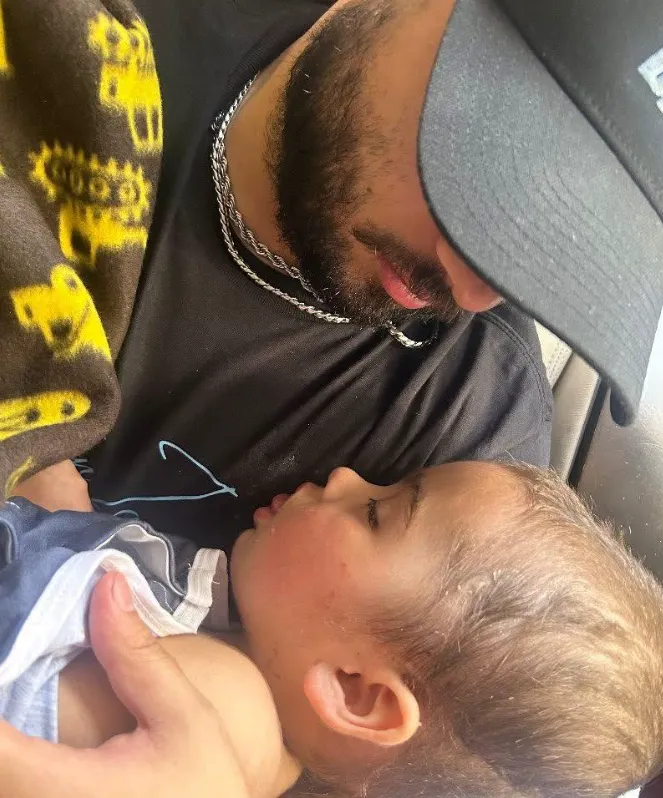
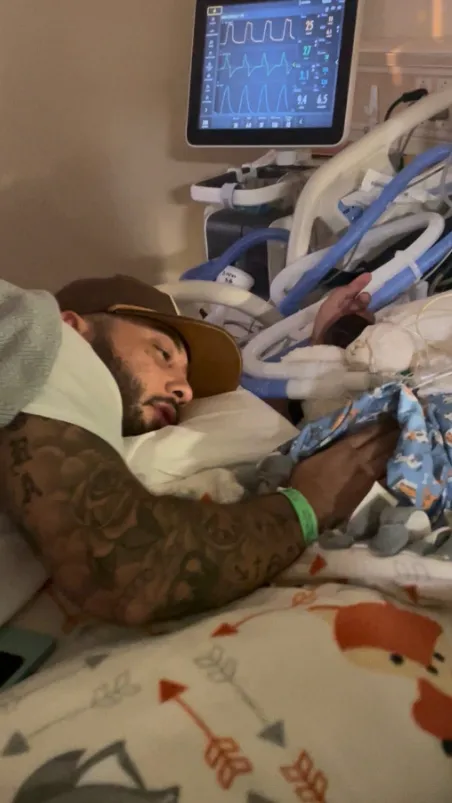
Throughout this period, Dawson’s father never left his son’s side. He was forced to retain legal representation to protect Dawson’s interests and counter ongoing legal actions. Friends described him as devoted, exhausted, and broken—watching his child breathe through machines while navigating a legal system he never expected to face.
16.
On December 7, Dawson Cain Zamora passed away at 10:42 a.m.—on his father’s birthday. The moment marked the end of Dawson’s short life and the beginning of a deeper chapter of grief and accountability. His father would later say Dawson held on just long enough to spend one final birthday with him.
17.
The following day, Dahrian Zamora made a public announcement. He confirmed his son’s death and revealed a major development: Chelsea Berg had been taken into custody and charged with Capital Murder. Prosecutors stated she was charged at the highest level due to her failure to protect her child, despite clear knowledge of ongoing harm.
18.
Dawson’s death has left an irreversible mark. His father now faces a life shaped by loss, memory, and the pursuit of justice for a child who depended entirely on the adults around him. As the legal process continues, one truth stands unshaken—Dawson Cain Zamora did not have to die. He should have been protected. And now, the courts must decide how accountability will be measured for a life that ended far too soon.