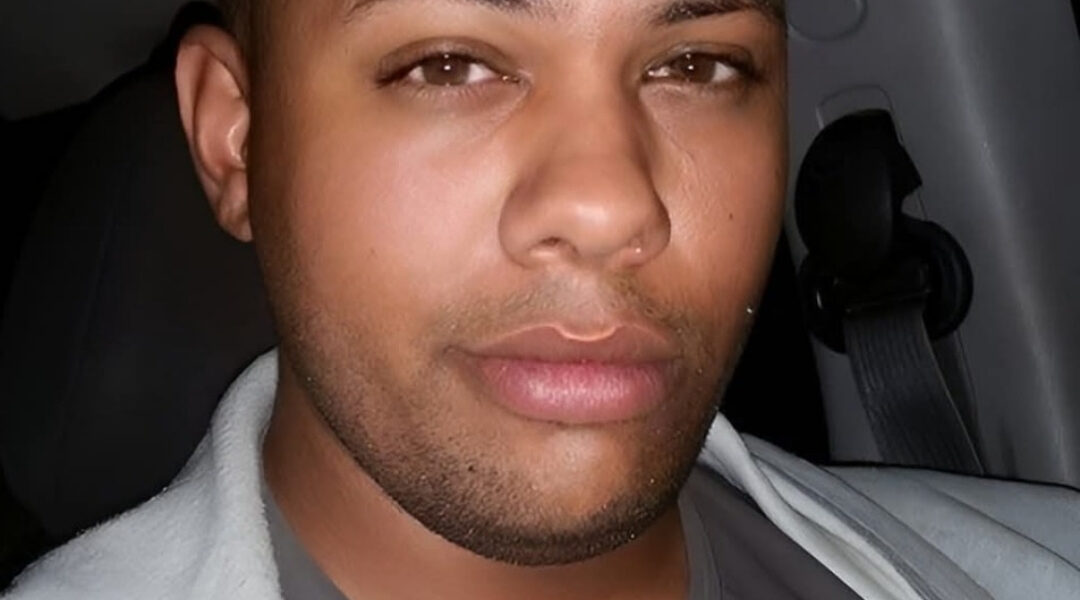
A Traffic Stop, A Glock, A Hoodie — and a Moment of Humanity That Should Be Heard.


I was only driving to my office to drop off my weekly paperwork — nothing dramatic, nothing unusual. But as I rolled down the road, I noticed one of my headlights was out. Seconds later, I saw a Tucson Police cruiser make a U-turn and fall in behind me.
I already knew what was coming.
The lights flicked on.
I pulled over.
And I prepared myself — not just for a ticket, but for all the tension that people say should come next for someone who looks like me.
The officer walked up to my window and asked the standard questions:
“How are you today?”
“Do you have any weapons in the vehicle?”
“Yes, sir,” I told him calmly. “I’m a concealed carry permit holder. My firearm is on my right hip. My wallet is in my back-right pocket.”
He nodded, no aggression, no attitude — just professionalism. He explained that for both his safety and mine, he needed to temporarily disarm me. I understood instantly and unlocked the car.
When the second officer tried to remove my weapon, he couldn’t draw it from my holster — a 7TS ALS system — so the lead officer asked me to step out slowly. I complied. No sudden moves. No hostility. Just respect.
He removed my Glock safely and even smiled while complimenting the X300U light I had mounted. Then he noticed my military ID.
I told him I served in the National Guard.
He nodded again, respectful. Then he pointed out my registration card was out of date — even though he knew from the system that my registration itself was current. He went back to run my information.
I stood there knowing I was looking at least two citations in the face:
• a faulty headlight
• an out-of-date registration card
I was already calculating the cost in my head.
But when the officers returned, something unexpected happened.
They handed me back my Glock — cleared, locked, and sealed in an evidence bag for safety. And then the lead officer said:
“You were cool with us. You didn’t give us any grief. So I’m going to leave it at a verbal warning. Just get that headlight fixed as soon as possible.”
I smiled.
“Thank you, sir.”

And that was it.
No drama.
No raised voices.
No accusations.
No tragedy.
Just people — human beings — treating each other with respect.
Here’s why that matters:
I am a Black man.
I was wearing a hoodie.
I was armed.
And by the narratives pushed by certain social movements, I shouldn’t have survived that traffic stop. I shouldn’t be here telling this story. The officers should have been “out to get me.” They should have seen my skin color and my firearm and turned me into a statistic.
But they didn’t.
Maybe… just maybe… that narrative isn’t the whole truth.
Maybe respect still matters.
Maybe calmness still matters.
Maybe cooperation still matters.
And maybe — just maybe — the vast majority of officers aren’t hunting anyone.
Maybe they’re people doing a hard job, under intense scrutiny, trying to get home safely just like the rest of us.
We spend so much time talking about the bad apples — the ones who disgrace the badge. But today I want to talk about the good ones. The ones who handle tense situations with professionalism, restraint, and humanity.
Those two officers from Tucson Police Department earned my respect that day. And they reminded me of something simple, something we seem to forget:
Mutual respect goes a long way.
Thank you, TPD.
Thank you for treating me the way you hope to be treated.
Thank you for a stop that ended with dignity — on both sides.
This is the kind of encounter we should talk about more.
This is the story we rarely hear.
But it’s real.
And it matters.