The house doesn’t look like much from the street now, just another tired brick shell on a quiet Richmond block. Grass grows uneven along the walkway, and the windows hold the blank stare of a place that has seen too much and said nothing.
Every time Toni Jacobs drives past it, she feels like she’s staring into the last place her daughter’s footsteps were heard.
She still remembers the sound of those footsteps on her own floor, the shuffle of sneakers and the light tap of a girl in a hurry.
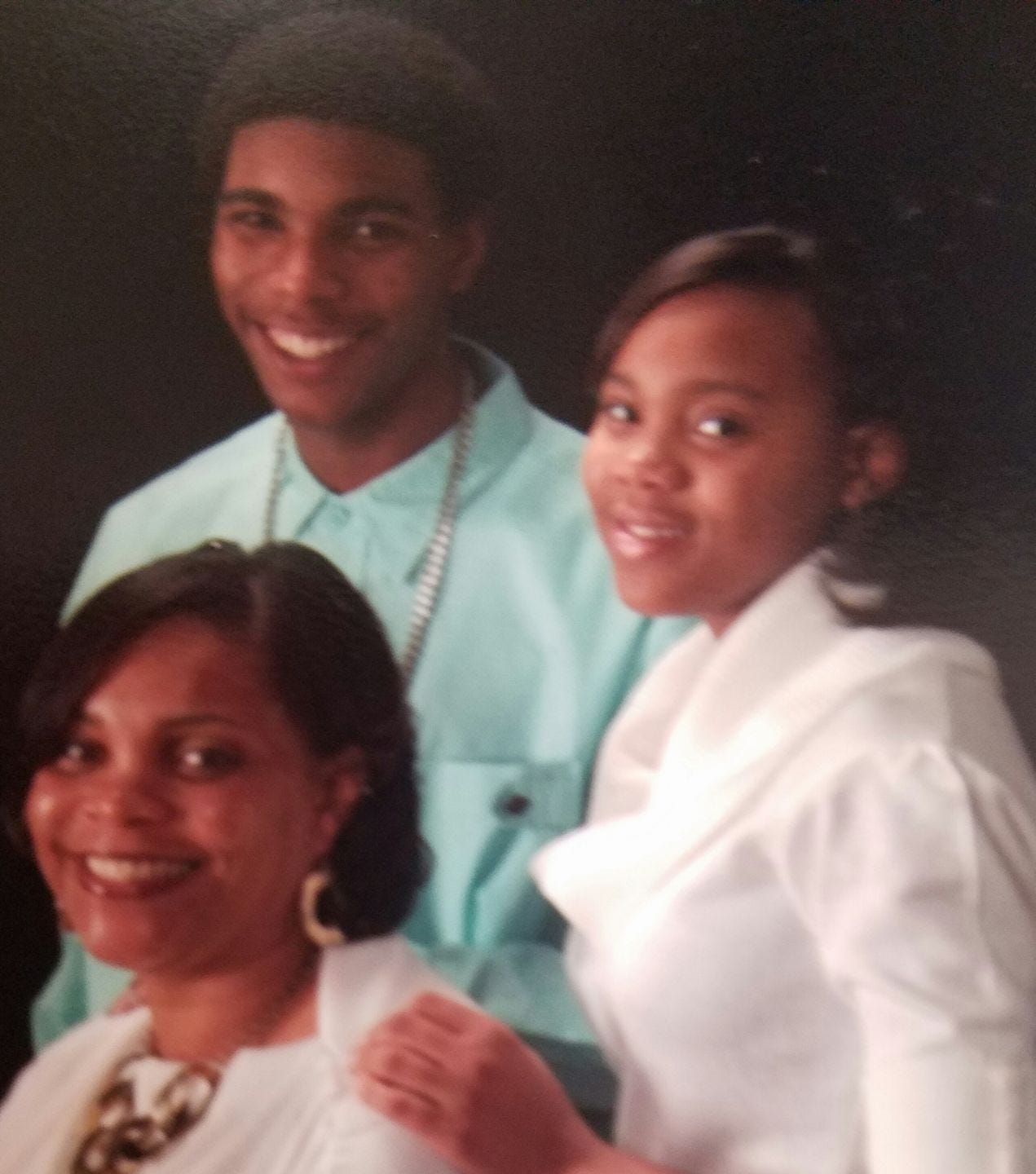
Keeshae was twenty-one, all edges and softness at once, a young woman who could cuss you out and hug you in the same breath. She was the kind of daughter who leaned into her mother’s shoulder even when she swore she was grown.
On the afternoon of September 26, 2016, the air outside felt ordinary, the kind of day nobody marks on a calendar. Inside the Jacobs home, though, it was full of small plans and little promises, the kind families trade without thinking twice.
Toni never realized that every casual word that day would be replayed in her mind for years like a broken tape.
“Ma, I’m going to stay at a friend’s,” Keeshae had said, phone in one hand, bag in the other.
She promised she’d be back the next day, like she always did, like she always had. There was no dramatic goodbye, no long hug by the door, just a quick kiss and the sound of the latch catching behind her.
Keeshae was the kind of girl who wanted more, even when life kept handing her less. She dreamed of stability, of doing better than the streets that tried to pull at her ankles.
She talked about travel and apartments and a future that stretched longer than anyone would ever give her.
Friends said they dropped her in the Church Hill neighborhood that night, near Chimborazo Park.
The block was a mix of old Richmond and new money, shadows and porch lights sharing the same cracked sidewalks. They watched her walk away toward a house she said she knew, a house where she was supposed to be safe.
What happened after that walk is a stretch of darkness the world still hasn’t filled in. Phones that had always been answered suddenly went silent, texts that should have lit up her screen never showed “read.”
The next morning came like a thief, carrying away the thin comfort of excuses a mother tells herself.
At first, Toni tried to stay reasonable, the way people tell you to be.
Maybe her battery died, maybe she fell asleep, maybe she was just being twenty-one and careless. But under those maybes, something small and sharp began scratching at her ribs.
By midday, reason had packed its bags and left.
Toni called everyone she could think of, turning her contact list into a map of worry. Each “no, I haven’t seen her” made that scratching feeling grow teeth.
When evening came with no word, the fear finally had a name.
Toni drove to the police station, clutching her phone like it could still ring and fix everything. She told them her daughter was missing, and she refused to sit back down until someone wrote it down.
In the early days, the official words were calm, measured, practiced. “Adults have the right to go missing,” someone said, like that would comfort a mother whose child never disappeared like this.
They told her they’d look into it, that they’d make some calls, that they’d see what they could find.
Leads led to that house in Church Hill, the one her friends said she was heading toward.
Neighbors had seen people come and go at odd hours, lights on when the sky was almost morning. It was the kind of house where secrets lingered like cigarette smoke in old curtains.
When detectives went inside, the air changed before they even reached the back rooms. One of them would later admit the smell hit him first, something sour and wrong that clung to his nostrils.
It wasn’t a smell he could easily explain away, but it was one he chose to walk past.
The rooms were cluttered, lived-in, messy in the way of people who never expect company.
On a wall, there were faint stains that looked too much like blood to ignore. On the floor, in a place that should have held nothing, there was the small plastic curve of a SIM card.
It was her SIM card, tied back to her phone, tied back to the last digital traces of her life. The walls, the carpet, the odor—everything begged the same question without moving its lips.
But questions without pressure often die quietly inside paperwork.
The detective noted what he saw, what he smelled, what he could not quite explain. He left that house without a body, without an arrest, without sealing it as the crime scene her mother believed it was.
Outside, the neighborhood went back to pretending nothing was wrong.
Toni would later hear about that smell in pieces, like a secret no one wanted to own. She would be told about the bloodstains, about the SIM card, about the search that led nowhere. Every new detail felt like a second crime layered on top of the first.
“How do you smell death and walk away?” she would ask anyone who would listen. It wasn’t rhetorical; it was the question that kept her awake at two in the morning. She wanted someone to answer her with something other than a shrug and a stack of procedures.
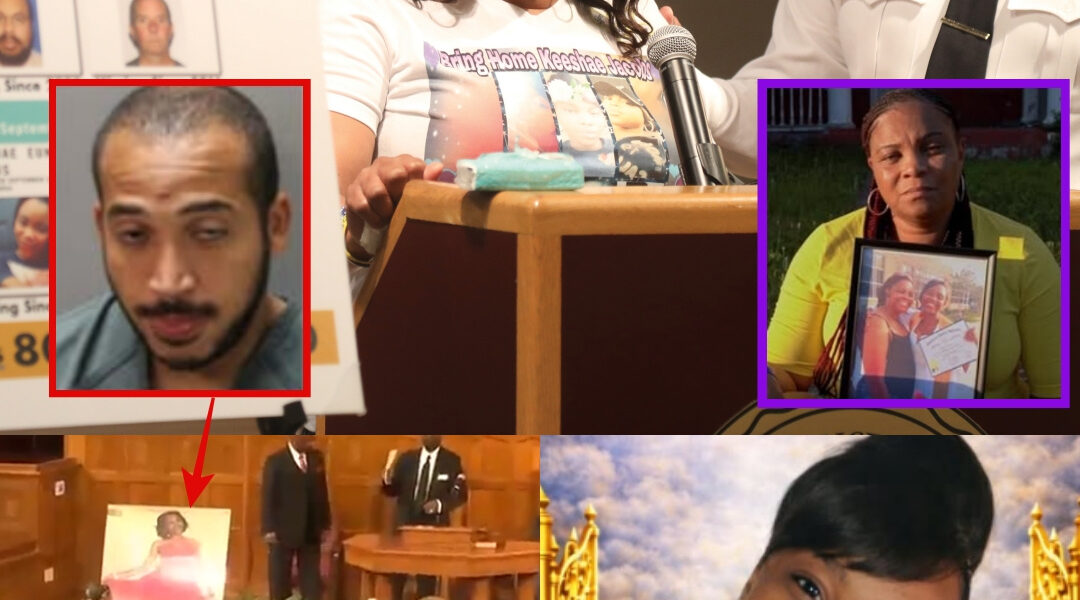
In the story the city told itself, there was another name that kept floating toward the surface. Otis Lee “Omar” Tucker, a man who admitted he had seen Keeshae that night. A man whose versions of the truth never landed in the same place twice.
At first, he denied knowing much, denied being involved, denied being the last person to see her breathe. Later, under more pressure, he said more, but never enough to break the case open. His words came like puzzle pieces from the wrong box, never quite fitting together.
He admitted one thing that shredded Toni’s heart more than any silence could. He said he had been with her when she died, said he had disposed of her body. He would not say he killed her, as if the difference made anything easier for the woman who raised her.
For prosecutors, the law was a tightrope with no net underneath. No body, no clear scene, no timeline that could survive the weight of reasonable doubt. They could not build a case that would withstand the storm of a courtroom.
So the files stayed open but still, the air around them went stale. Reports were written, boxes were checked, and the case slid into that gray space between active and abandoned. Toni felt the shift like a temperature drop every time she called for an update.\
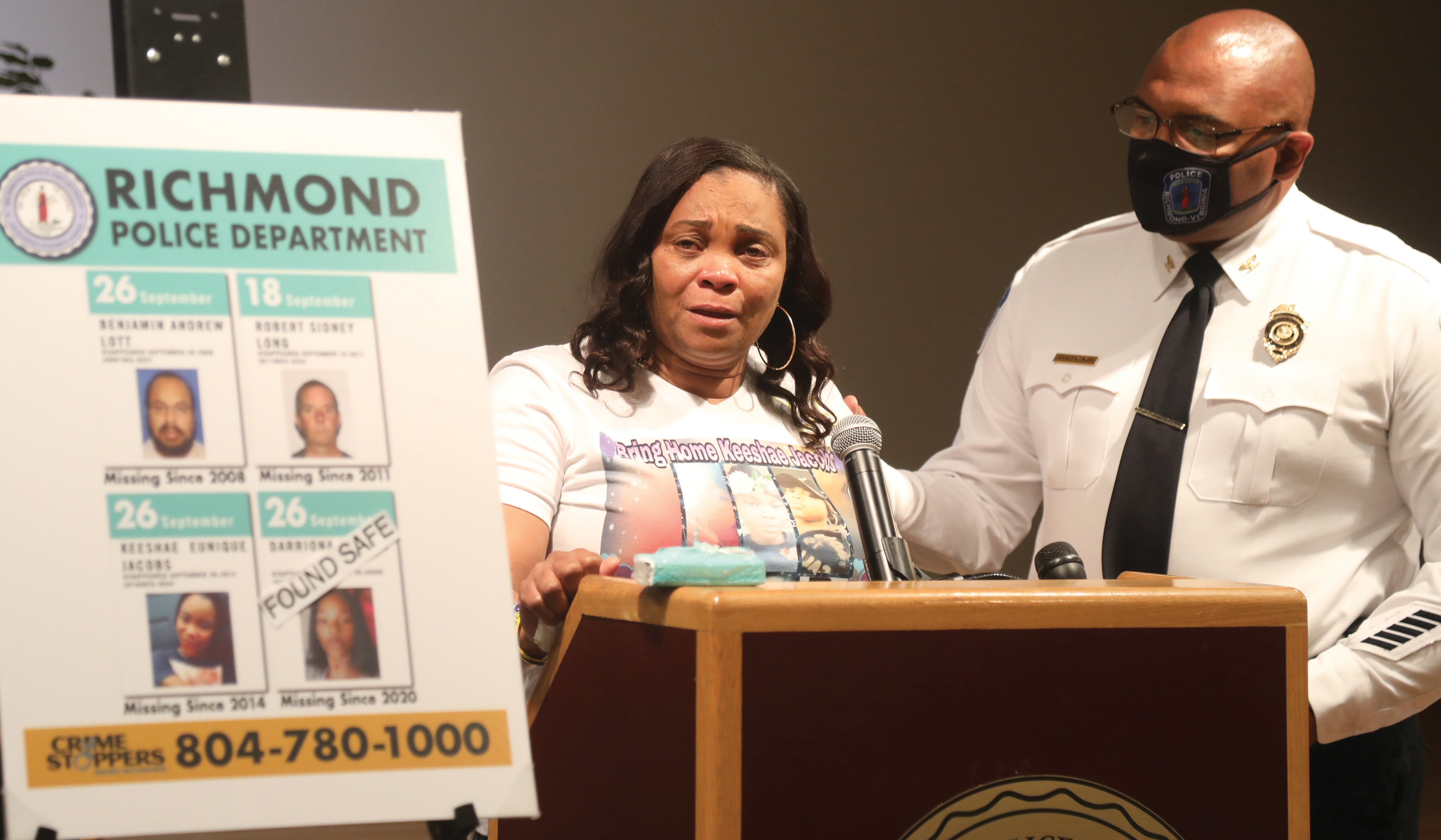
She kept calling anyway, because what was the alternative—silence. She marched, printed flyers, told her daughter’s story to anyone who would put a microphone near her face. Her grief became both shield and weapon in a world that moved on too quickly.
In the years that followed, the seasons turned over and over while her case did not. Halloween decorations came and went, Christmas lights twinkled on porches, and still the bedroom down the hall stayed frozen. Her clothes hung in the closet like they were waiting for a girl who was just running late.
Birthdays hurt the most, which was saying something. Every September, Toni lit a candle for a daughter who never aged past twenty-one. The world added years to its calendar, but Keeshae stayed forever twenty-one in every frame.
Friends who had once hung out on corners and car hoods grew older in their selfies. They posted about jobs, babies, new apartments, and struggles that at least allowed for tomorrow. Every milestone they reached threw into sharp relief the ones she never got to touch.
Online, strangers learned her name and passed it along like a prayer. There were hashtags and posts and threads full of people who had never met her but felt like they should have. They repeated the same plea: someone knows something, please come forward.
Then, one day, years after her disappearance, another headline carried a familiar name. Otis Lee “Omar” Tucker, now hundreds of miles away in Florida, had been arrested for murder. This time, there was a body, a crime scene, a trail that would not allow his story to slip away.
News traveled back to Richmond like a storm rolling across state lines. Toni read the articles, hands trembling, seeing the man the police had once called a person of interest in her daughter’s case. She saw that this time, the system had found enough to take him to trial.
He was convicted and sentenced to life in prison for that Florida murder. Some people called that justice, said at least he wouldn’t hurt anyone else again. For Toni, it felt like justice for a stranger and a shadow for the child whose room still waited.
“Why was another woman’s death what finally locked him away?” she wondered aloud. She thought about that house in Church Hill, about that smell, about the SIM card on the floor. She thought about all the things that might have been different if someone had treated her daughter’s absence like an emergency.
Prosecutors in Virginia still said the same thing when asked about charging him. No body, no solid physical evidence, no path through the maze of reasonable doubt. The law, they insisted, was a wall they could not climb without more.
But for a mother, the law is not what she tucks into bed at night. She goes to sleep holding a grief that doesn’t care about evidence codes. She wakes up every morning inside a world that feels permanently tilted.
Sometimes she dreams about that night in different versions. In one, a detective refuses to leave the house and calls in more units, more dogs, more eyes. In another, a neighbor speaks up sooner, remembers something, gives the missing piece before it fades.
In the worst dreams, nothing changes at all. The search happens the same way, the smell is dismissed the same way, and she wakes up with her cheeks wet. Those are the mornings when her coffee goes cold on the table while she stares into nothing.
She has walked the streets around that house more times than she can count. Every crack in the pavement feels like a line between what the world knows and what it refuses to see. She talks to her daughter under her breath sometimes, as if the wind might carry the words where her body never came home.
Community members still gather for vigils, candles flickering against the dark like stubborn stars. They say her name out loud—Keeshae Eunique Jacobs—refusing to let it vanish into cold case numbers. On those nights, grief and love mix in the air until it’s hard to tell which one is heavier.
People bring photos, posters with her smile frozen in time. In some she looks serious, in others she’s mid-laugh, eyes bright with a joke. They remind everyone that she was not a headline or a rumor, but a whole human being.
Toni sometimes looks around at the faces in those circles and feels both held and hollow. She is grateful that people still show up, that they still care, that they still say her daughter’s name. She is also exhausted from carrying a story that never gets its final chapter.
Over the years, detectives have changed, titles have shifted, and desks have been cleaned off. New cases stack on top of old ones, and sometimes it feels like the world runs on forgetting. But she refuses to let her child be buried under other people’s tragedies.
She keeps pushing, keeps calling, keeps speaking at events and interviews. Her voice has grown hoarse, but not weaker. If anything, the sharpness of her pain has carved her words into something that cuts through politeness.
“Someone knows where my baby is,” she says, eyes steady on the camera. “She didn’t vanish into thin air; people don’t just disappear.” The world nods along through screens and speakers and then returns to its schedules.
Yet sometimes, a stranger hears her and feels something shift inside. They share a post, mention her name at a dinner table, or send a link to someone who might remember. The ripple is small, but small things can cross great distances with enough time.
The house in Church Hill still stands, its bricks holding more secrets than anyone has demanded it surrender. The memory of that smell lives on in a detective’s mind, whether he admits it or not. Some nights, he might wonder if leaving that day was the moment a life could have been saved or a body recovered.
This is not the neat story of justice people want to hear. There is no final courtroom scene, no tearful statement from a judge, no satisfying confession. There is only a mother, a missing daughter, and a timeline that loops back on itself.
Still, the story of Keeshae’s life is bigger than the night she vanished. She was laughter in the kitchen, music from a phone speaker, footsteps in a hallway. She was arguments over small things and hugs over big ones, a whole future folded into a single name.
When people say “Rest in peace, Keeshae Eunique Jacobs,” they are not just repeating a line. They are acknowledging the weight of a world that failed her and the love that never has. They are promising, in their own small ways, that she will not be erased.
Forever twenty-one is not how her mother wanted to remember her. She wanted forever to include college tours, new apartments, children of her own running through the house. Instead, forever is a candlelit photo and a case file with too many blank spaces.
But even in those blank spaces, her presence lingers. In every vigil, every shared post, every whispered prayer, her name still moves. And as long as her mother has breath, the story of what happened to her will not be allowed to settle quietly into dust.