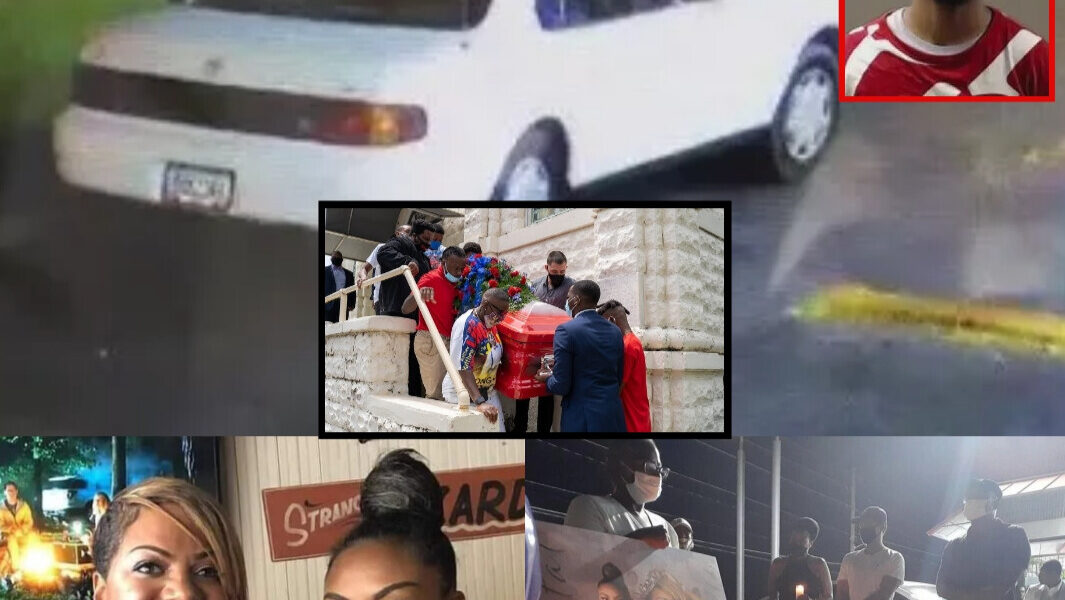
A Mother’s Final Act Was Protection: The Dunwoody Shooting That Killed Crystal Williams and Danyel Sims.

Crystal Williams was only twenty-two years old when she realized she needed her life back.

It wasn’t a dramatic realization. There was no shouting match, no explosive argument that made the decision obvious to the outside world. It came quietly, in the way fear often does—settling slowly, becoming undeniable only when it has already taken up too much space.
Crystal had spent just a couple of months living with her ex-boyfriend, Justin Deion Turner. In that short time, she learned what many women learn too late: that control can disguise itself as care, and that staying can be more dangerous than leaving.
She wanted to go home.
Home, for Crystal, meant safety. It meant breathing without tension. It meant her mother.
Danyel Sims understood immediately.

At forty-six, Danyel had lived long enough to recognize the subtle warning signs her daughter was only beginning to understand. She didn’t ask questions that required explanations. She didn’t push or doubt. She did what mothers like her always do—she showed up.
Danyel was protective without being overbearing, strong without demanding praise. When her children needed her, she was there, fully and without hesitation.
On September 6, 2020, Crystal, Danyel, and Crystal’s younger brother, Malachi, were doing something painfully ordinary: leaving an apartment complex to go home. They climbed into an SUV, carrying nothing more than the hope that distance would bring peace.
There was no reason to believe this moment would become their last together.

The parking lot looked like any other—rows of cars, concrete underfoot, the quiet hum of a day moving forward. No warning signs. No sense that violence was waiting just steps away.
Then Justin Deion Turner appeared.
He blocked their SUV, cutting off the exit with deliberate precision. In an instant, the air changed. Fear does not always arrive loudly. Sometimes it arrives as certainty—cold, unmistakable, and final.
Crystal knew then that her attempt to leave had been discovered.
What happened next unfolded in seconds, but those seconds reshaped countless lives.
Turner opened fire.

Gunshots tore through the afternoon, shattering glass, metal, and every sense of normalcy. The sound was sudden and overwhelming, ripping through what should have been an ordinary moment of escape.
Crystal Williams was killed.
Her mother, Danyel Sims, was killed.
Malachi was critically injured, his young body suddenly fighting for survival.
Another teenager in the backseat survived physically unharmed—but no one in that vehicle escaped untouched. Trauma does not require wounds to leave scars.
In the chaos of those final moments, Danyel did what mothers have done for centuries.
She shielded her children.

It was not a calculated decision. It was instinct—pure, immediate, and unfiltered. Danyel placed her body between the gunfire and her children, choosing protection without a second thought.
Her final act was love.
Later, Malachi would share that Crystal had been trying to leave Turner. She hadn’t been provoking him. She hadn’t been reckless. She was trying to go home.
Crystal wanted distance, not conflict. Calm, not confrontation. A chance to start again.
She believed leaving was the safest choice.

Her family believes that choice cost Crystal and Danyel their lives—not because leaving was wrong, but because someone else could not accept losing control.
That truth is one of the heaviest burdens survivors carry.
Justin Deion Turner was arrested and charged with two counts of murder and aggravated assault. The legal system began its long, methodical response—arraignments, filings, proceedings designed to bring accountability to an irreversible act.
But charges do not heal.
They do not restore lives or erase memory. They exist only as an acknowledgment that what happened was wrong.
For Danyel’s husband—Crystal and Malachi’s stepfather—life fractured instantly. He spoke of a home that no longer felt whole, of routines that now echoed with absence.
Danyel had been the center of their family. The steady presence. The one who held everything together even when life pulled in all directions. Without her, the world felt tilted, as if gravity itself had shifted.
Crystal’s loss was equally devastating.
She was young, with dreams still forming, plans still unfinished. Friends remembered her as gentle and thoughtful, someone who wanted more than survival. She wanted independence. Joy. Peace.
She trusted that going home would give her those things.
She trusted that her mother’s presence meant safety.
She trusted that leaving would be enough.
What happened exposed a truth too many families know but rarely want to face: leaving an abusive or controlling relationship is often the most dangerous moment. The act of choosing freedom can provoke the very violence a person is trying to escape.
This is not a failure of the victim.
It is the failure of someone who believed control mattered more than life.
That distinction matters.
Crystal and Danyel did nothing wrong. They were protecting themselves and each other. They were trying to go home.
Malachi survived, but survival carries its own weight. Recovery is not only physical. It is emotional, psychological, and lifelong. He carries the image of his mother shielding him. He carries the knowledge that his sister was trying to escape. Those memories will shape him forever.
Grief comes in waves for the family—some days quiet and heavy, other days sharp and unbearable. Time does not erase loss; it only teaches people how to live beside it.
Community members responded with shock and sorrow. Many had never met Crystal or Danyel, yet felt bound to them by the injustice of their deaths. Violence like this leaves no one untouched.
Candles were lit. Names were spoken aloud. Vigils formed in silence and tears.
Crystal Williams and Danyel Sims were deeply loved. Their absence left a space that cannot be filled. Love does not end with death—but it does change shape.
This story is not only about violence.

It is about courage.
Crystal’s courage to leave.
Danyel’s courage to protect.
Those moments deserve to be remembered not just for the tragedy, but for the love that defined them.
Leaving should never be deadly.

Protection should never cost a life.
Crystal Williams should still be here.
Danyel Sims should still be here.
They should have made it home together.
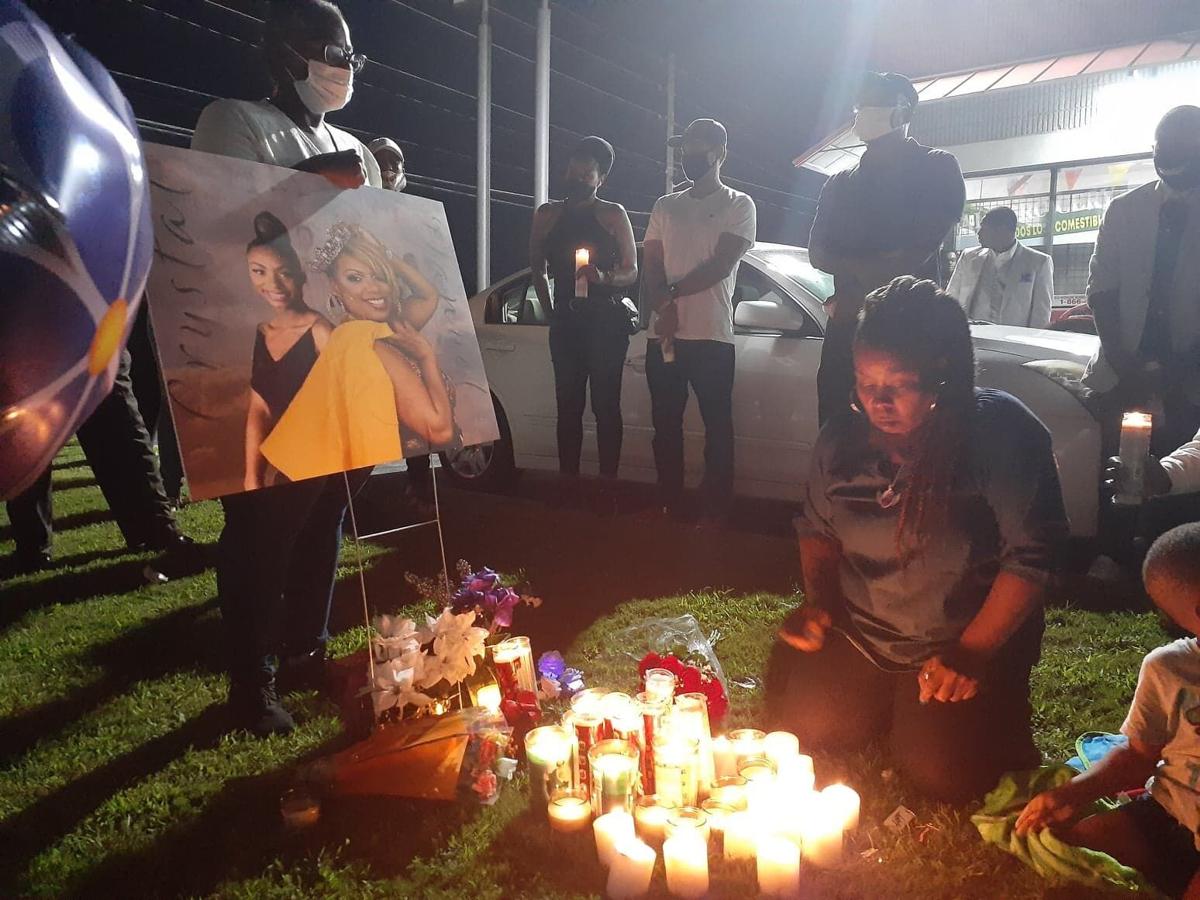
Their names now carry meaning beyond their years—reminders of love, courage, and the urgent need to protect those seeking safety.
May they be remembered with dignity.
May their story inspire awareness.
And may love, in the end, speak louder than violence.