A Mother’s Final Act Was Protection: The Dunwoody Shooting That Killed Crystal Williams and Danyel Sims.

Crystal Williams was only twenty-two when she realized something inside her life had gone terribly wrong.

It didn’t arrive as a single dramatic moment. It crept in quietly—through tension that never fully lifted, through fear she couldn’t quite explain, through the growing understanding that staying was more dangerous than leaving. Crystal had lived with her ex-boyfriend, Justin Deion Turner, for just a short time, barely two months, but that was long enough for her instincts to speak clearly.
She needed to go home.
Home, to Crystal, didn’t just mean a physical place. It meant safety. It meant her mother. It meant breathing without fear and waking up without dread. Leaving wasn’t an act of rebellion or anger. It was an act of survival.

When Crystal told her mother, Danyel Sims, there was no hesitation.
Danyel was forty-six, a woman shaped by years of loving fiercely and protecting instinctively. She didn’t need details to understand. She heard what her daughter didn’t yet have the language to fully say. As mothers often do, she recognized the danger before it fully revealed itself.
“We’re getting you home,” she told Crystal.

Danyel was that kind of mother—the kind who showed up without being asked, who stood firm without raising her voice, who believed that love meant action. When her children were in trouble, she didn’t debate. She moved.
On September 6, 2020, Crystal, Danyel, and Crystal’s younger brother, Malachi, were doing something painfully ordinary.
They were leaving.
No shouting. No confrontation. Just the quiet intention of packing a life into a vehicle and driving away. Another teenager sat in the back seat. The SUV waited in the parking lot like it always had.

Concrete.
Parked cars.
An ordinary afternoon.
Nothing looked dangerous.
But danger does not always announce itself.
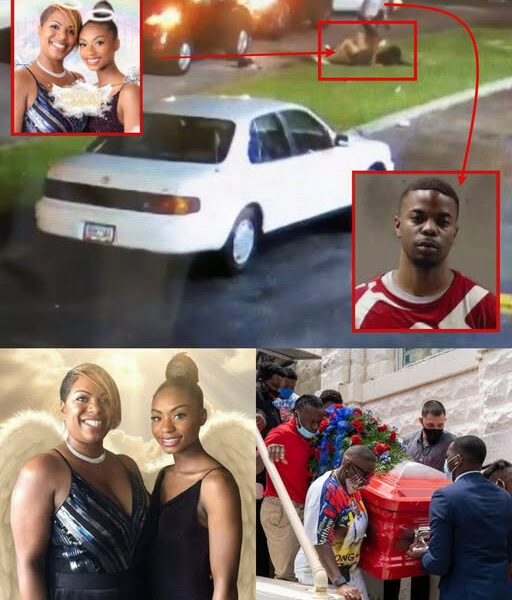
As they prepared to leave, Justin Deion Turner appeared. He positioned himself deliberately, blocking the SUV, cutting off their exit. In that instant, the air changed. Fear didn’t scream—it settled, cold and absolute.

Crystal understood immediately.
He knew she was leaving.
What followed unfolded in seconds, but those seconds would echo forever.
Turner opened fire.
Gunshots shattered the ordinary sounds of the day. Glass exploded. Metal screamed. Life fractured. There was no time to think, no time to run.
Crystal Williams was killed.

Danyel Sims was killed.
Malachi was critically injured.
The teenager in the back seat survived physically unharmed, but no one in that vehicle escaped unchanged. Trauma does not need to leave scars on the skin to be permanent.
In the chaos of those moments, one truth became clear later through testimony and memory.
Danyel did what mothers have done for generations.
She shielded her children with her body.

It wasn’t a decision made with thought or strategy. It was instinct, pure and ancient. When danger came, Danyel placed herself between violence and the people she loved most. Her final act was protection.
Crystal, too, had been acting out of courage.
She wasn’t trying to provoke or threaten. She was trying to leave. She believed—like so many do—that distance would bring safety, that going home would end the danger. She trusted that her mother’s presence would mean protection. She trusted that leaving was the right thing to do.
And it was.
What happened was not because Crystal left. It happened because someone could not accept her choice to do so.

Justin Deion Turner was arrested shortly after. He was charged with two counts of murder and aggravated assault. The legal system began its slow, methodical process—court dates, filings, charges that attempt to place order around chaos.
But no charge can undo what happened in that parking lot.
For Danyel’s husband, Crystal and Malachi’s stepfather, the loss was immediate and devastating. He spoke of a home that no longer felt whole. Of routines that no longer made sense. Of silence where laughter once lived.
Danyel had been the center of their family—the steady presence that kept everything balanced. She was warmth and structure, comfort and strength. Without her, the world felt permanently tilted.
Crystal’s absence carved its own wound.
She was young. Her life was just beginning. Friends remembered her as gentle, thoughtful, hopeful. She had plans beyond survival. She wanted peace. Independence. Joy. She believed she could step away from something dangerous and build something better.
She should have been allowed that chance.
Malachi survived, but survival carries its own weight. Healing is not just physical—it is emotional, psychological, lifelong. He carries the memory of that day with him always. He remembers his mother shielding him. He knows his sister was trying to escape. Those truths shape a person forever.

The family’s grief did not arrive all at once. It came in waves.
Some days were quiet, heavy with absence. Other days were sharp, overwhelming. Time did not erase the pain—it simply taught them how to exist alongside it.
The community responded with shock and sorrow. Many had never met Crystal or Danyel, yet felt deeply connected by the injustice of their deaths. There were vigils. Candles flickered in the dark. Names were spoken aloud, refusing to let them fade.
Because this story is not just about a shooting.
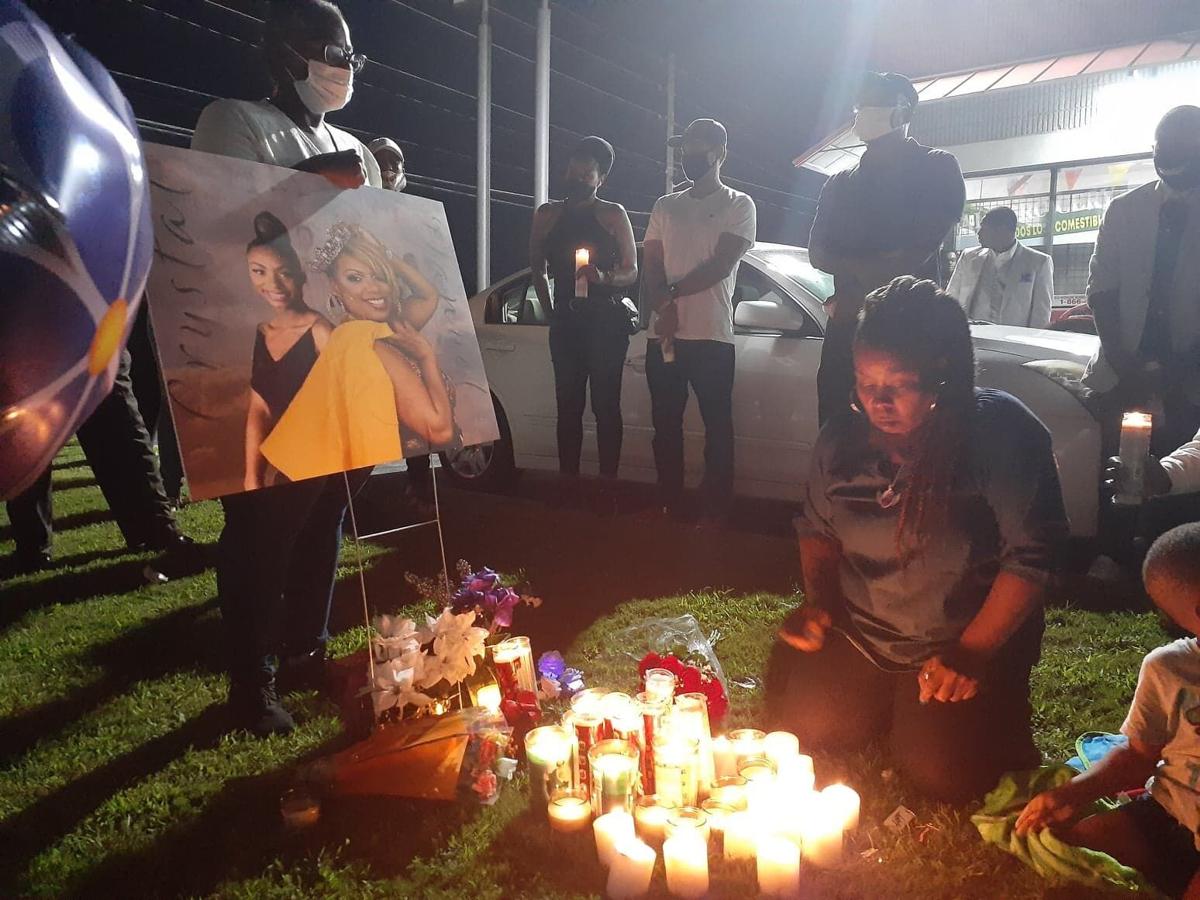
It is about what happens when control is challenged.
Leaving an abusive or controlling relationship is often the most dangerous moment. That truth is deeply uncomfortable, but it must be acknowledged. Crystal’s decision to leave was not reckless—it was brave. Danyel’s decision to stand beside her was not foolish—it was love.
The failure lies not with the victims, but with the person who believed ownership mattered more than life.
Crystal and Danyel did nothing wrong.
They were trying to go home.

Their story forces difficult reflection. About how society supports—or fails to support—those trying to leave dangerous situations. About how warning signs are often seen only in hindsight. About how protection should never require sacrifice.
Danyel’s final act was not fear.
It was love.
Crystal’s final choice was not defiance.
It was hope.

Their names now carry meaning beyond tragedy. They stand as reminders of courage, of maternal protection, of the urgency to take threats seriously and intervene sooner.
Crystal Williams should still be here.
Danyel Sims should still be here.
They should have made it home together.
Remembering them is not only about honoring loss—it is about demanding change. Because leaving should never be deadly. Protection should never cost a life.
May their memory be carried with dignity. May their love be remembered louder than the violence that took them. And may no mother ever again have to make protection her final act.