
I woke up already tired of the news.

Not the kind of tired that sleep fixes, but the heavier kind—the kind that settles into your chest before your feet touch the floor. The kind that comes from knowing that somewhere, another ordinary life has been reduced to a headline before breakfast.
Then I read her name.
Renee Nicole Good.
And it felt like the air left the room.
Renee was thirty-seven years old. A mother of three. A poet. A woman whose love showed up loudly, creatively, without apology. The kind of love that leaves fingerprints everywhere—on refrigerator doors covered in drawings, on tables smeared with paint, on couches dusted with glitter that never fully comes out.
She was the kind of mom who made art with her kids even when it got messy. Especially when it got messy. Because mess meant joy had been allowed to exist without restraint.

She wrote poetry, too. Not the distant, polished kind meant to impress, but the kind written to survive. Words that carried truth, tenderness, frustration, hope—sometimes all in the same line. Poetry written by someone paying attention to the world and trying to make sense of it while still loving it.
Her family says she led with compassion first.
Compassion first.
That phrase echoes painfully when you think about how her life ended.
Because some deaths are not just tragic. They are enraging.
That morning, Renee was doing what millions of parents do without ceremony. She was moving through routine, the invisible labor of motherhood that holds entire worlds together. Shoes on the right feet. Backpacks zipped. Reminders repeated. Reassurance given.
She had already dropped off her youngest son at school.
Six years old.
Six is the age where goodbye is still small. Where children don’t hug too tightly because they assume the world is stable. Where “see you later” doesn’t carry fear—it carries certainty.
Renee said goodbye the way mothers always do. Probably with reminders. Probably with a smile. Probably already thinking ahead to the next task, the next errand, the next responsibility waiting in line.
She could not have known that goodbye would become final.
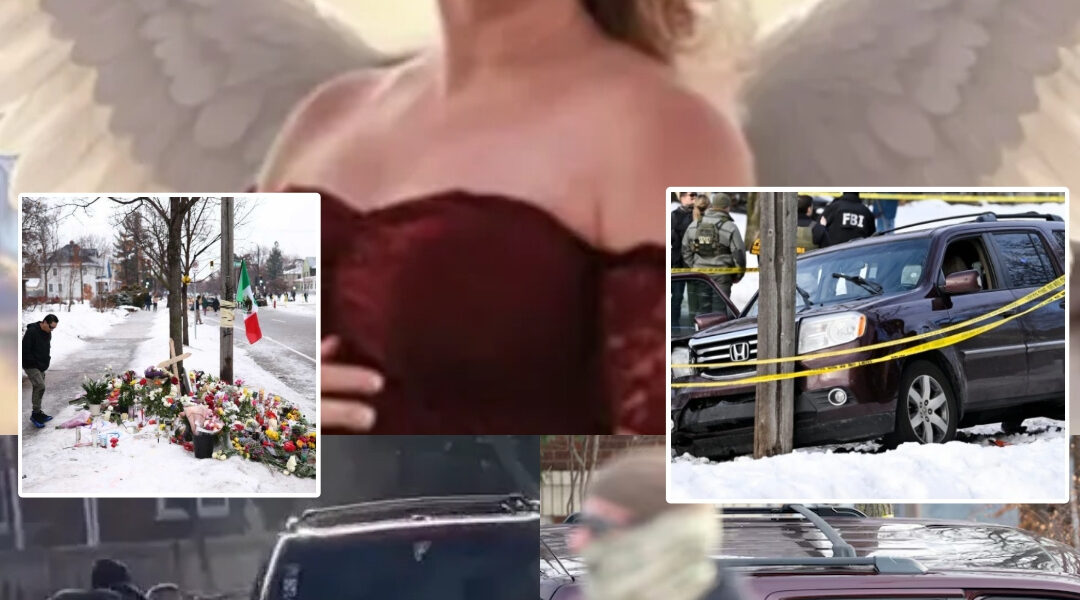
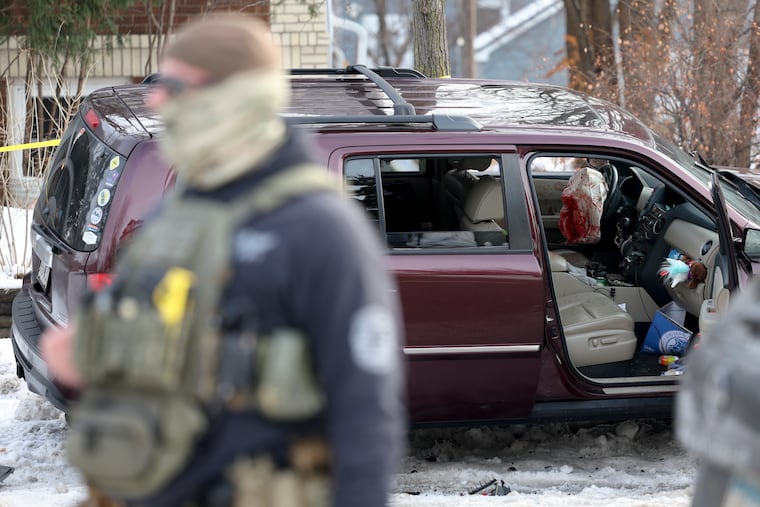
Moments later, Renee was inside her car during a federal ICE operation. What should have been an ordinary drive transformed into fear and confusion. Agents surrounded her vehicle. Weapons drawn. Commands shouted.
Body-camera footage and bystander video later showed shots fired into her car.
Renee was struck multiple times.
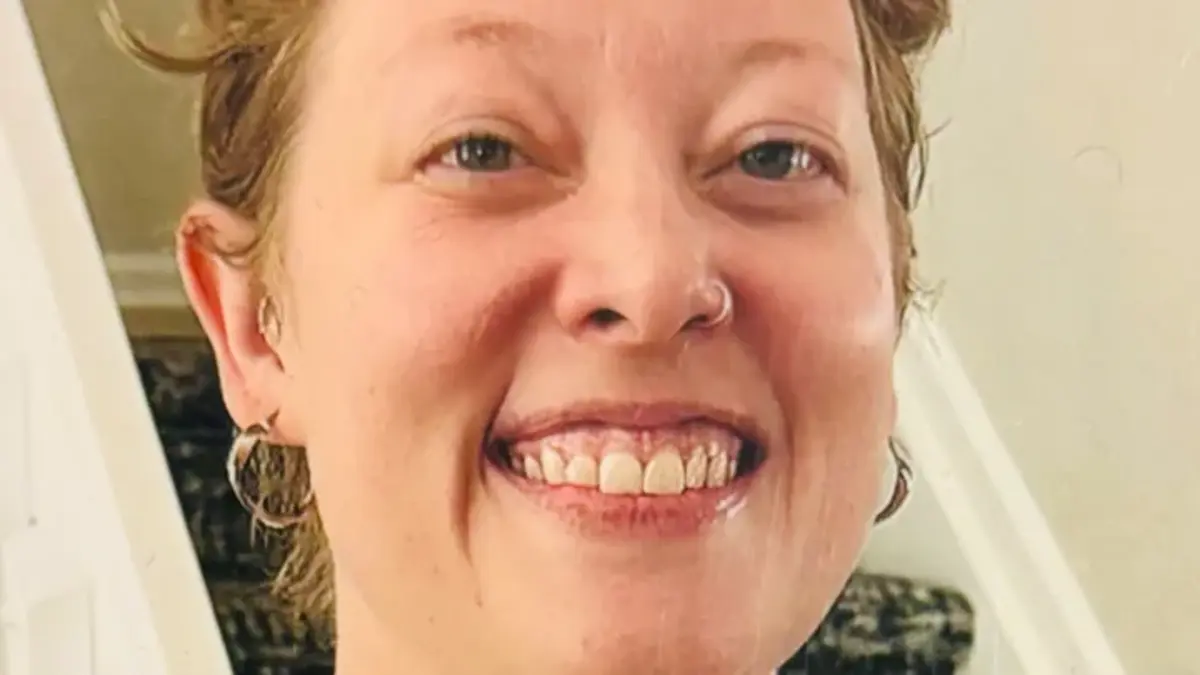
She did not survive.
When the word survive appears in stories like this, it usually belongs to everyone else.
Survive the shock.
Survive the phone call.
Survive the sentence that breaks a family in half.
Renee was a United States citizen. She was not a violent criminal. She was not a threat.
That matters—because the world will try to reshape her into something easier to dismiss. It always does. People search for flaws, for explanations, for reasons that allow distance. Anything to convince themselves this could not happen to someone like them.
Her family says Renee was likely terrified.
Anyone would be.
Being surrounded by armed agents while sitting alone in your car is not something you can reason your way through. Fear hijacks the body. It floods the system. It makes your hands shake, your thoughts scatter, your heart race toward your throat.
And fear always brings children to mind.
Even when they aren’t there.
Her mother described Renee as compassionate, loving, forgiving, affectionate. An amazing human being. Not someone who would harm anyone.
Now her children are left without their mother.
A fifteen-year-old daughter who will have to grow up too fast, because grief forces eldest children into adulthood without permission.
A twelve-year-old son who will carry questions that arrive in the quiet—questions with no answers, questions that turn ordinary nights into battlegrounds.
And a six-year-old boy who said goodbye to his mom that morning and never saw her again.

That detail is unbearable because it is so ordinary.
Because children are not warned. Because life does not slow down to explain itself to them. Because no one prepares a child for a goodbye that becomes permanent.
Friends remember Renee as gentle and creative. Someone who loved words and connection. Someone who noticed beauty even when life was hard.
Poets notice things.
Mothers notice things.
Renee was both.
She noticed the way light moved through a room. The way laughter echoed down hallways. The way sadness changed the texture of a day. She noticed her children—who they were becoming, what they needed, how to make them feel safe.
That is what makes this loss so heavy.

Because Renee was not a headline. She was a whole life. A whole heart. A voice still in the middle of its sentence.
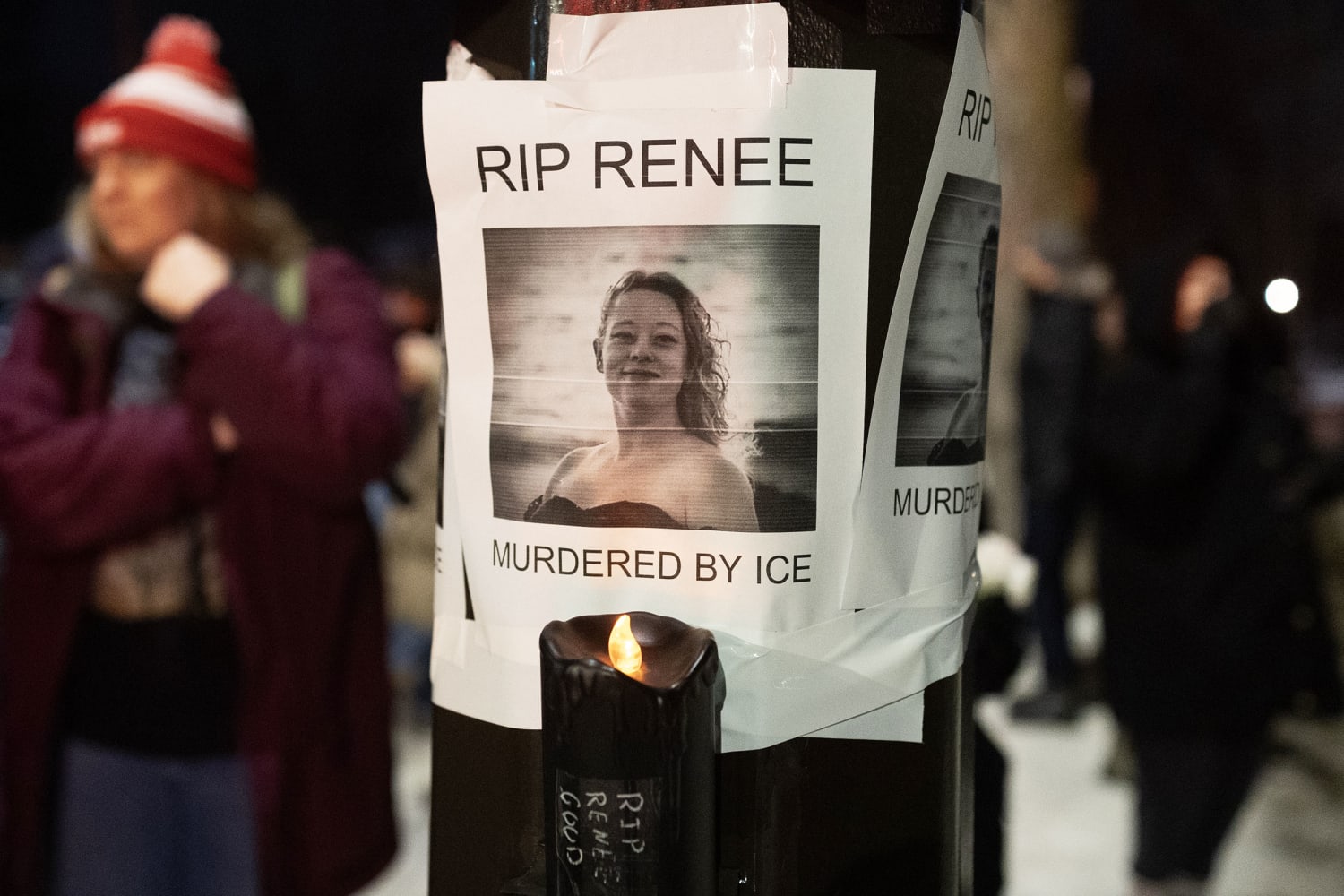
Vigils formed. Candles were lit. People gathered because sometimes the only resistance left is remembering someone out loud. Saying their name. Refusing to let them become a statistic.
Renee Nicole Good.
People said it again and again because saying her name was an act of insistence. An insistence that she mattered. That she was more than an “incident.” More than a footnote. More than an argument waiting to happen.
Her life had color. It had children’s artwork and half-finished poems. It had laughter and exhaustion and plans for tomorrow. It had flaws, because real people do.
And real people deserve to live.
Questions will follow this case. They already have. Questions about what happened inside those moments. About why shots were fired. About whether this could have been avoided.
Those questions matter because accountability matters. Because three children will grow up needing answers.
But even before every question is resolved, one truth stands on its own:
Renee deserved to live.
She deserved to drive home. She deserved to pick up her son from school that afternoon. She deserved to hear about her children’s days, to write more poems, to grow older.
She deserved ordinary.
Instead, her children will grow up with a silence where her voice should be. A silence that appears at birthdays, graduations, and quiet moments when grief sneaks back in without warning.
And yet—her love remains.
It lives in the stories her friends tell. In the poems she left behind. In the creativity she planted in her children. In the way compassion shaped her life.
Her family will keep her alive by refusing to let her be reduced to a headline. By saying her name. By telling the world who she really was.
Renee Nicole Good.
Thirty-seven.
A mother.
A poet.
A woman whose compassion was not a performance, but a way of living.
She should still be here.
Rest in love, Renee. You are remembered. You mattered.
And your children deserve a world that learns something from your loss—rather than absorbing it as just another day’s news.