‘Making a Murderer’: What the Brendan Dassey Ruling Really Means for Steven Avery?

On a quiet Friday in Wisconsin, a single ruling detonated one of the most controversial true-crime stories of the past decade.
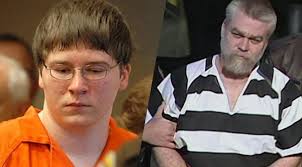
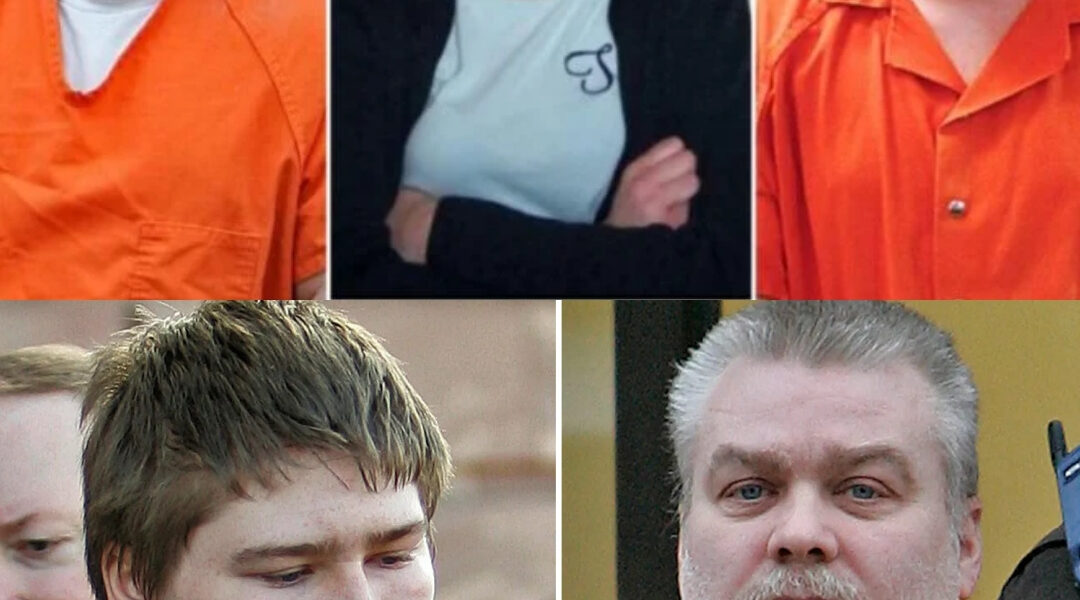
A federal judge overturned the murder and sexual assault conviction of Brendan Dassey, ordering his release unless prosecutors moved to retry him within 90 days. For Dassey — who was just 16 years old when he confessed — it was a stunning, rare victory. For the public, it was something else entirely.
Because the moment the decision was announced, one question drowned out all others:
If Brendan Dassey’s confession was coerced, what does that mean for Steven Avery?
The answer is far from simple — and that’s exactly why this ruling has reopened old wounds, reignited public outrage, and split opinion more fiercely than ever.
A Win for Dassey — But Not an Automatic One for Avery

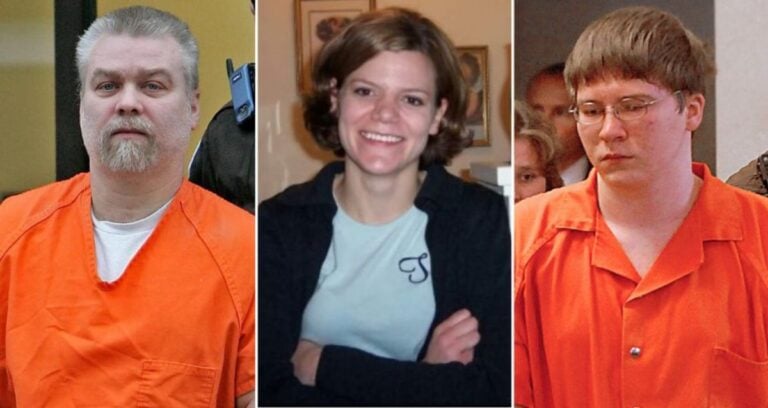
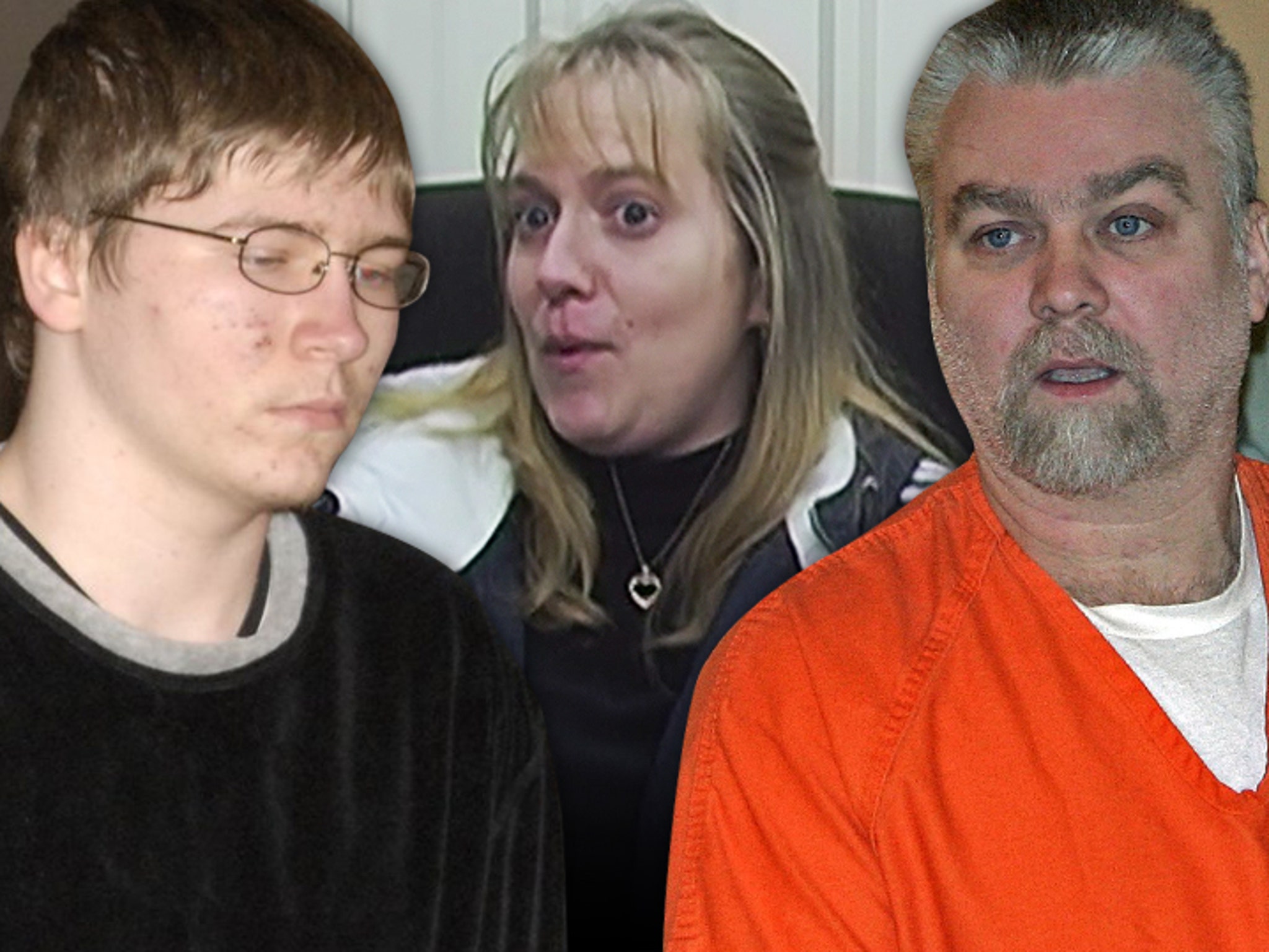
At first glance, the ruling looks like a turning point for both men. After all, Dassey and his uncle Steven Avery were convicted for the same crime: the 2005 murder of photographer Teresa Halbach.
But legally, the cases are separate.
At Avery’s trial, prosecutors did not call Brendan Dassey to testify. They did not introduce his confession as evidence against Avery. Avery was convicted primarily on physical evidence — contested though it may be — while Dassey’s conviction rested almost entirely on his own words.
That distinction matters.
It means Dassey’s overturned conviction does not automatically weaken Avery’s sentence in a courtroom sense. No door swings open. No chains fall away.
And yet, in every other sense, the ruling lands like an earthquake beneath Avery’s case.
Because it raises a far more dangerous question:
If the system failed this badly once, how confident can we be it didn’t fail again?

The Confession That Shouldn’t Have Counted
What made the judge’s decision so explosive was not sympathy — it was specificity.
In a 91-page ruling, the court found that Brendan Dassey’s confession was not voluntary, citing his age, low IQ, lack of a lawyer or supportive adult, and the interrogation tactics used by police.
Investigators repeatedly told Dassey they “already knew what happened.”
They assured him he would be okay if he was honest.
They told him, explicitly, that “the truth will set you free.”
To most adults, that phrase sounds figurative.

To a frightened teenager with cognitive limitations, the court ruled, it could sound literal.
Dassey didn’t just confess — he was led. Details were suggested. Facts were fed. When he failed to give answers police wanted, they pushed harder. When he guessed wrong, they corrected him.
And yet, even after “confessing” to rape and murder, Dassey still asked when he could go back to school. When told he was being arrested, he asked if it was “just for one night.”
That reaction — the court concluded — made one thing painfully clear:
He never understood what was happening to him.
Why This Still Haunts Steven Avery
Supporters of Avery have argued for years that Dassey’s confession was the emotional cornerstone of the case — even if it wasn’t formally used at Avery’s trial.
Because before any jury ever heard evidence, the public heard a story.
A press conference described a brutal, joint crime.
A narrative took hold.
Two men. One victim. One horrifying version of events.
But here’s the problem: the state later presented inconsistent theories at two trials.
At Avery’s trial, prosecutors declared that Avery acted alone.
At Dassey’s trial, they argued both men committed the crime together.
Both narratives cannot be true.
And when the justice system presents incompatible stories to secure convictions, critics argue it stops being a search for truth — and becomes a race for verdicts.
The Dassey ruling doesn’t prove Avery’s innocence.
But it makes the official story harder to defend.
Netflix, Public Pressure, and the Shadow of Season Two
The timing only deepened suspicion.
Just weeks after the ruling, filmmakers behind Making a Murderer announced production on a second season. Cameras were already rolling. Public attention surged back like a tidal wave.
Some critics scoffed at the idea that media pressure could influence courts.
Others asked the uncomfortable question no one wanted to answer out loud:
Would this decision have happened without millions of viewers watching?
The judge denied any improper motive. Still, in a case already drenched in mistrust, even coincidence feels loaded.
And then there’s Kathleen Zellner.
Kathleen Zellner Enters the Arena
In January, famed post-conviction attorney Kathleen Zellner took on Steven Avery’s case — and she hasn’t been subtle.
With 17 exonerations under her belt, Zellner promised Avery would be her 18th. She publicly accused police of evidence planting, suggested alternative suspects, and hinted at new forensic findings that could upend the case entirely.
Her appeal brief was imminent.
And suddenly, the Dassey ruling didn’t feel isolated — it felt like the opening act.
If Zellner can demonstrate contamination of evidence, manipulation of forensic findings, or proof that Teresa Halbach left the property alive, the ripple effect would be enormous.
Not just for Avery.
But for Dassey — who never had a car, never drove, and never could have acted alone.
A System Under the Microscope
One of the most controversial aspects of the ruling is what it does not say.
The judge explicitly stated he did not believe police acted with malicious intent.
That distinction enraged critics on both sides.
To supporters of law enforcement, it suggested honest mistakes, not corruption.
To critics, it raised a chilling thought: If no one acted in bad faith — and the system still produced this outcome — then the problem is structural.
And structural failures are harder to fix than bad actors.
So What Happens Now?
The state can appeal. If it does, Dassey could remain in prison while the case drags on.
If the appeal fails, prosecutors would face a brutal reality: without Dassey’s confession, there is no physical evidence tying him to the crime. A retrial would likely collapse.
As for Avery, his fate rests on Zellner’s evidence — not Dassey’s ruling.
But perception matters.
And right now, public confidence in this case is eroding fast.
The Uncomfortable Truth
The most disturbing thing about Making a Murderer was never the question of guilt or innocence.
It was the possibility that the system could be so confident — and so wrong.
Brendan Dassey’s ruling doesn’t free Steven Avery.
But it does something more dangerous.
It reminds us that verdicts are delivered by humans.
Interrogations are conducted by humans.
And justice, when filtered through fear, pressure, and narrative, is not immune to collapse.
Whether Avery is guilty or innocent remains fiercely debated.
But one thing is no longer up for debate:
This story is not over.